Choosing the right soil is fundamental to successful gardening, yet many consumers are confused about the distinctions between topsoil and garden soil. This misunderstanding can lead to suboptimal plant growth and wasted resources. While both are essential soil amendments, they serve different purposes and possess distinct compositions. Understanding these differences is crucial for any gardener aiming to cultivate healthy plants and achieve bountiful harvests.
Topsoil, the uppermost layer of natural earth, is characterized by its rich organic matter and microbial life. Garden soil, on the other hand, is a manufactured blend, often referred to as potting mix or planting mix, specifically formulated for containers and garden beds. This article delves into the unique properties of each soil type, outlines their ideal applications, and provides expert insights to help gardeners make informed decisions.
Understanding Garden Soil: Composition and Applications
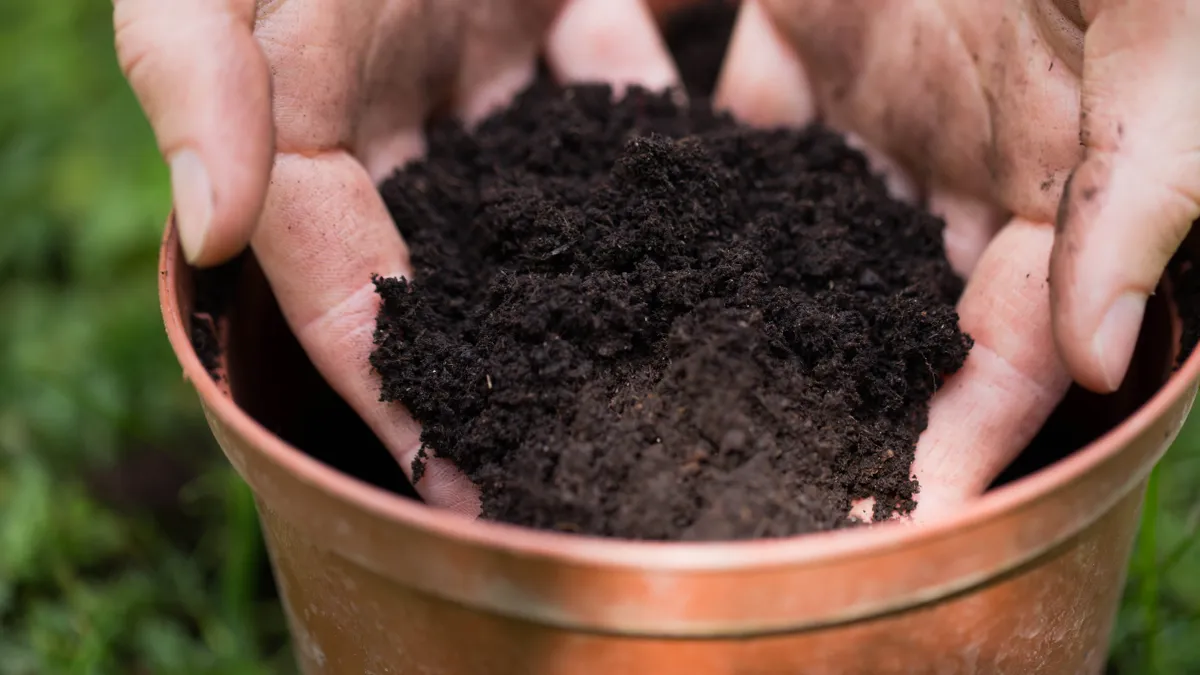
Garden soil, also known as potting mix or planting mix, is a specially formulated blend designed for optimal plant growth in contained environments and garden beds. Its composition typically includes a balanced mix of organic materials like compost and peat moss, alongside inorganic components such as perlite and vermiculite, which enhance drainage and aeration. This carefully curated blend aims to provide superior fertility, drainage, and structural support for plant roots.
Horticulturist Jessica Mercer from Plant Addicts explains that garden soil is ideal for in-ground planting areas like flower beds and vegetable gardens, as well as for the upper layers of raised beds. Its primary function is to improve the soil's overall quality, ensuring roots can establish themselves effectively. Chrissie Handley, a lawn care specialist at Online Turf, further clarifies that garden soil is best suited for larger gardening projects where adjusting soil levels or amending existing ground is necessary. She notes that unlike topsoil, garden soil can contain natural debris like stones and insects, as it is processed from ground sources.
The Role of Topsoil in Gardening and Landscaping
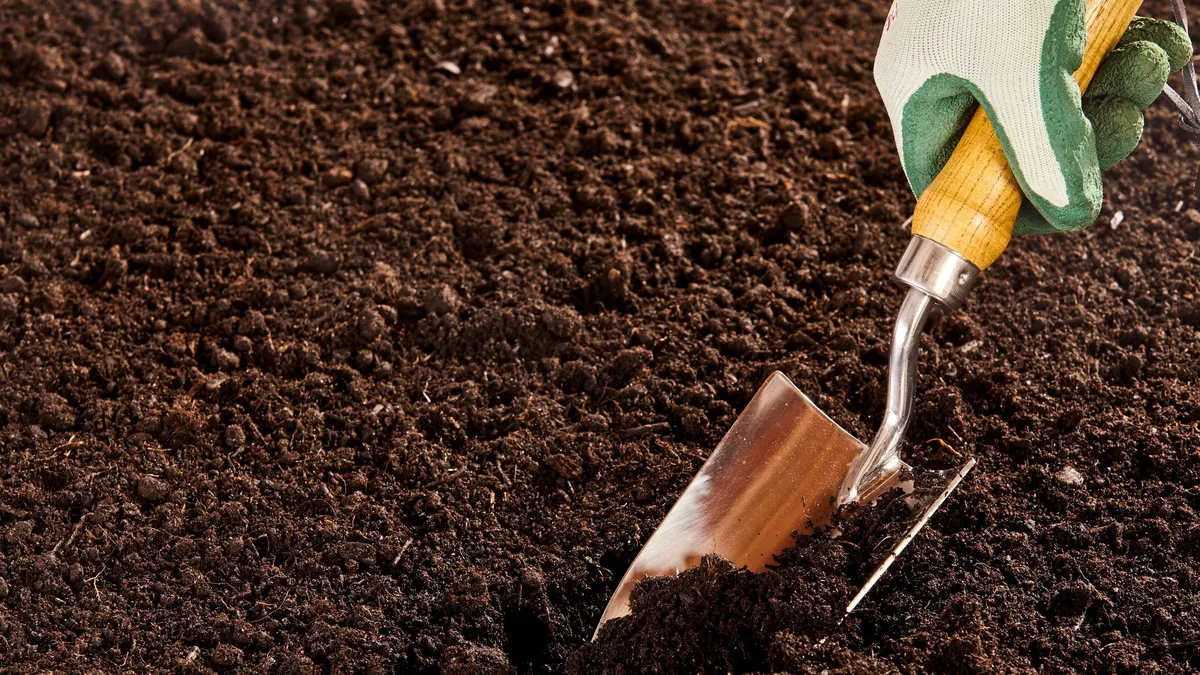
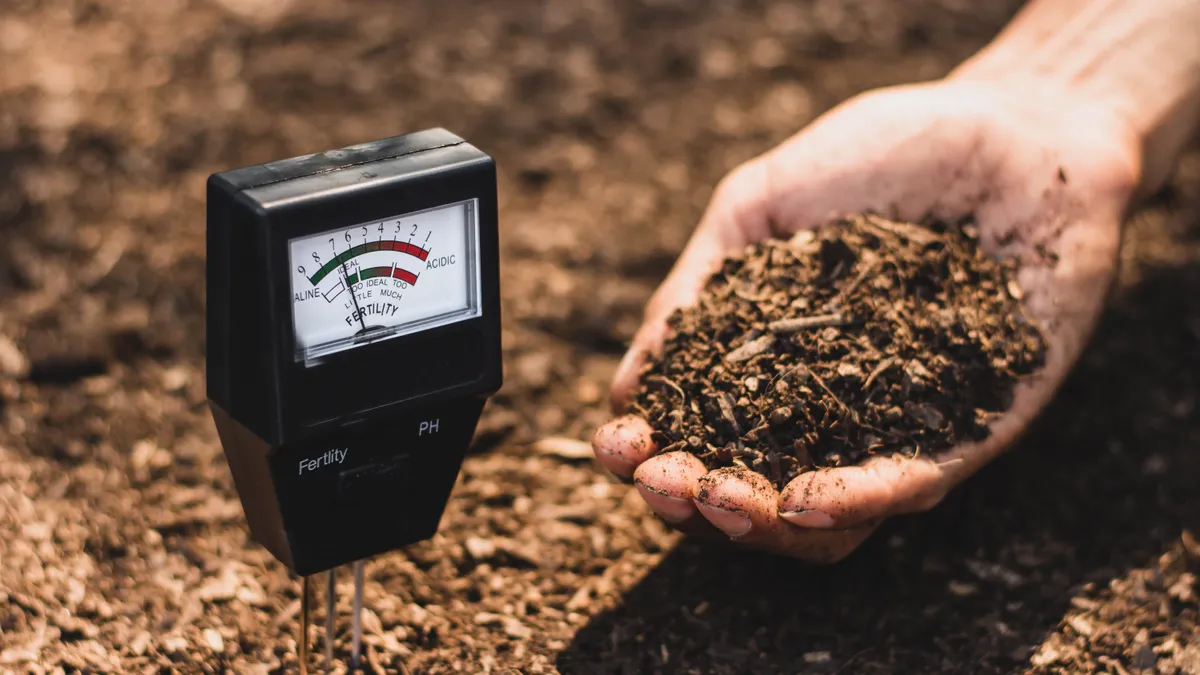
Topsoil is the uppermost layer of natural soil, naturally rich in organic matter and teeming with beneficial microorganisms. It forms the foundation for plant life in natural ecosystems. Available in various types such as clay, sand, and loam, depending on its origin, bagged topsoil is a versatile material used for several landscaping and gardening applications.
Mercer points out that bagged topsoil is particularly useful for filling low spots in yards, improving the overall grade, top-dressing lawns, or adding bulk to the base of raised garden beds. While it provides essential volume and can improve soil structure, topsoil by itself may not be sufficiently nutrient-dense for plants with high feeding requirements, such as vegetables. Handley suggests that for optimal results, topsoil should ideally be mixed with the existing soil to create a lighter, more aerated mixture that promotes better root development. Alternatively, it can be spread as a top layer or used to cover seeds, aiding germination and protecting them from birds.
Choosing the Right Soil for Your Gardening Needs
The distinction between topsoil and garden soil is critical for gardeners seeking to maximize their efforts. Garden soil, with its carefully balanced blend of organic and inorganic materials, is best suited for potted plants, raised beds, and enhancing existing garden soil to improve drainage and fertility. Its consistent quality and nutrient profile support robust growth in contained or amended environments.
Topsoil, while naturally rich, is primarily used for structural purposes in landscaping and larger gardening projects. It's ideal for leveling ground, preparing areas for turf, or as a base layer in construction. Using topsoil as a top dressing can also benefit lawns and seedbeds. However, for direct planting, especially for nutrient-demanding crops, amending topsoil or using a dedicated garden soil blend is often more effective. Understanding these differences ensures that gardeners invest in the correct product, leading to healthier plants and a more successful gardening season.
Impact Analysis
The precise selection of soil types, whether topsoil or a specialized garden mix, directly impacts plant health, growth rates, and overall garden yield. Misapplication can lead to poor root development, nutrient deficiencies, or inadequate drainage, resulting in plant stress and potential failure. Educating consumers about these distinctions empowers them to make cost-effective and ecologically sound choices, fostering more successful gardening outcomes and promoting sustainable horticultural practices. This clarity in soil selection contributes significantly to the vitality of home gardens and landscapes.