Apple's virtual assistant, Siri, introduced in 2011, is undergoing a significant transformation to reclaim its position in the competitive landscape of intelligent assistants. Following the advancements showcased by large language models like ChatGPT, Gemini, and Claude, Apple has committed to a substantial overhaul. Despite previous assurances, the full extent of these improvements was unveiled at WWDC 2026, signaling a new era for Siri.
Rumors and reports preceding WWDC 2026 accurately outlined key features, including a potential standalone app, a revamped interface, and integration with third-party AI models, possibly leveraging a Google Gemini-based AI engine. A core emphasis throughout the development process has been on user privacy, with Apple reiterating its commitment to not storing user data. This dedication to privacy is a cornerstone of the new Siri's architecture, aiming to build user trust while delivering powerful new functionalities.
The Evolution of Siri: Introducing Siri AI
During the WWDC 2026 keynote, Apple officially revealed the next generation of its virtual assistant, now branded as Siri AI. This evolution represents a departure from Siri's previous iterations, integrating more sophisticated artificial intelligence capabilities. Apple has collaborated with Google to develop what they term "Apple Foundation Models" – specialized AI models adept at various tasks including speech recognition, image analysis, and video generation. This collaborative approach underscores Apple's strategy to leverage cutting-edge AI while maintaining its stringent privacy standards.
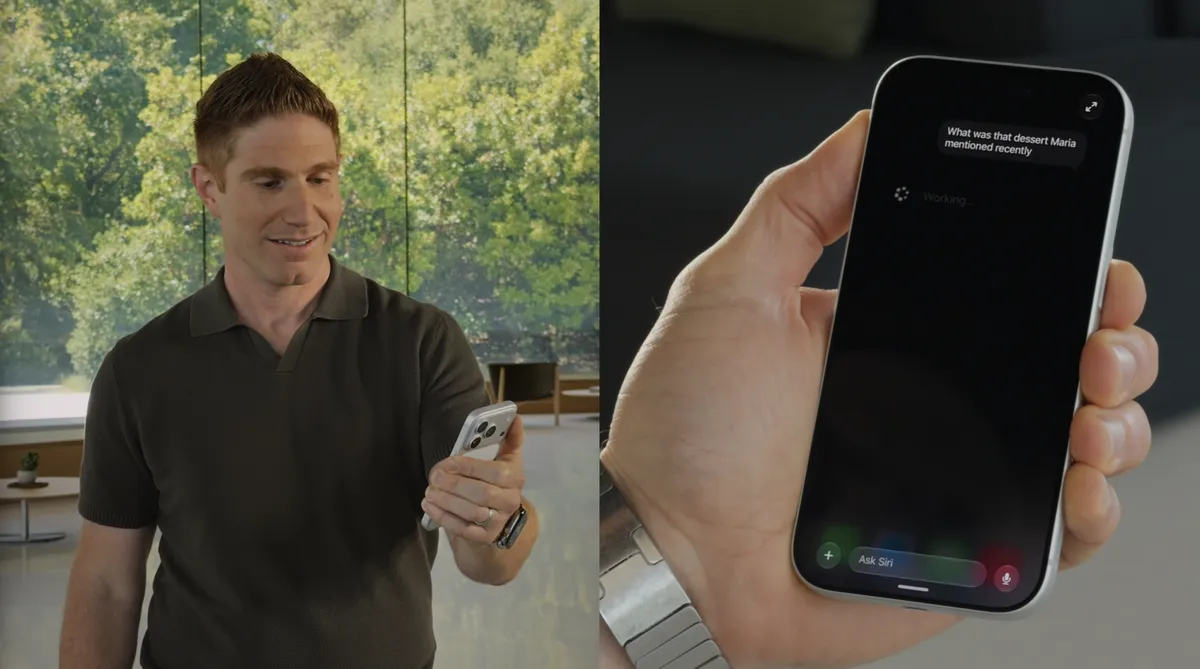
The new Siri AI promises a more conversational and context-aware interaction. It is designed to understand and respond to user queries with greater nuance, drawing information from the user's device and personal context. This enhanced understanding allows Siri to provide more relevant and personalized assistance, moving beyond simple command execution to more complex problem-solving and information retrieval. The initial announcement emphasized privacy, with executives detailing how Siri AI processes information on-device whenever possible and anonymizes data when cloud processing is necessary.
Enhanced Conversational Abilities and Contextual Awareness
Siri AI is poised to become significantly more conversational, engaging users in more natural dialogues. The assistant can now process and act upon complex requests that require understanding sequential instructions or contextual information from ongoing conversations. This level of interaction allows Siri to perform more sophisticated tasks, such as managing schedules, providing detailed recommendations, and even assisting with creative or technical processes by offering tailored advice and resources.
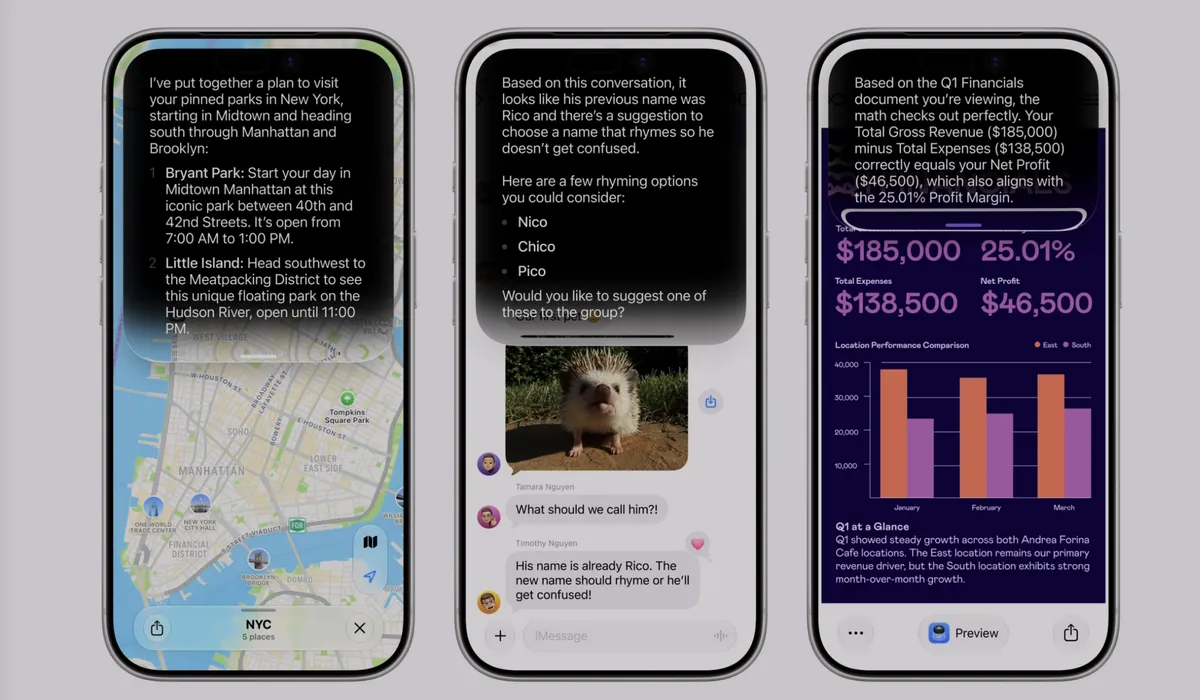
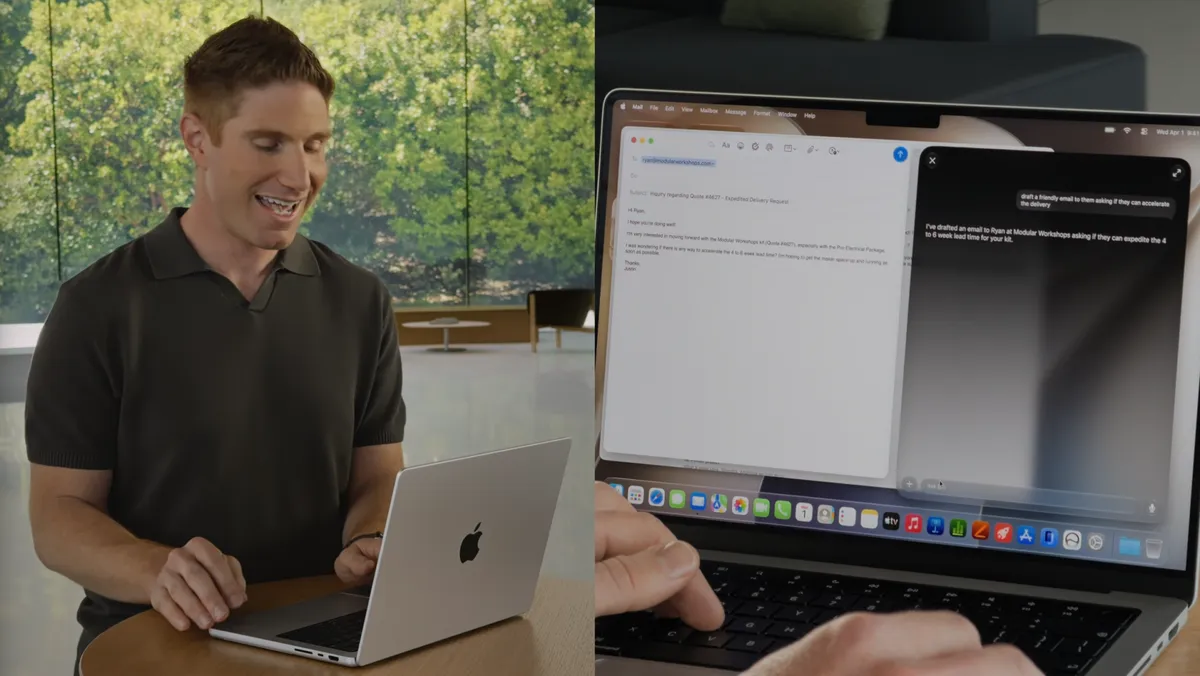
A key aspect of Siri AI's advancement is its ability to tap into personal context on Apple devices. This means Siri can access information from emails, calendars, messages, and other applications to provide more relevant answers and perform actions specific to the user's current needs. For example, Siri could help draft an email based on previous correspondence or provide directions to a location mentioned in a text message, all while maintaining strict privacy protocols.
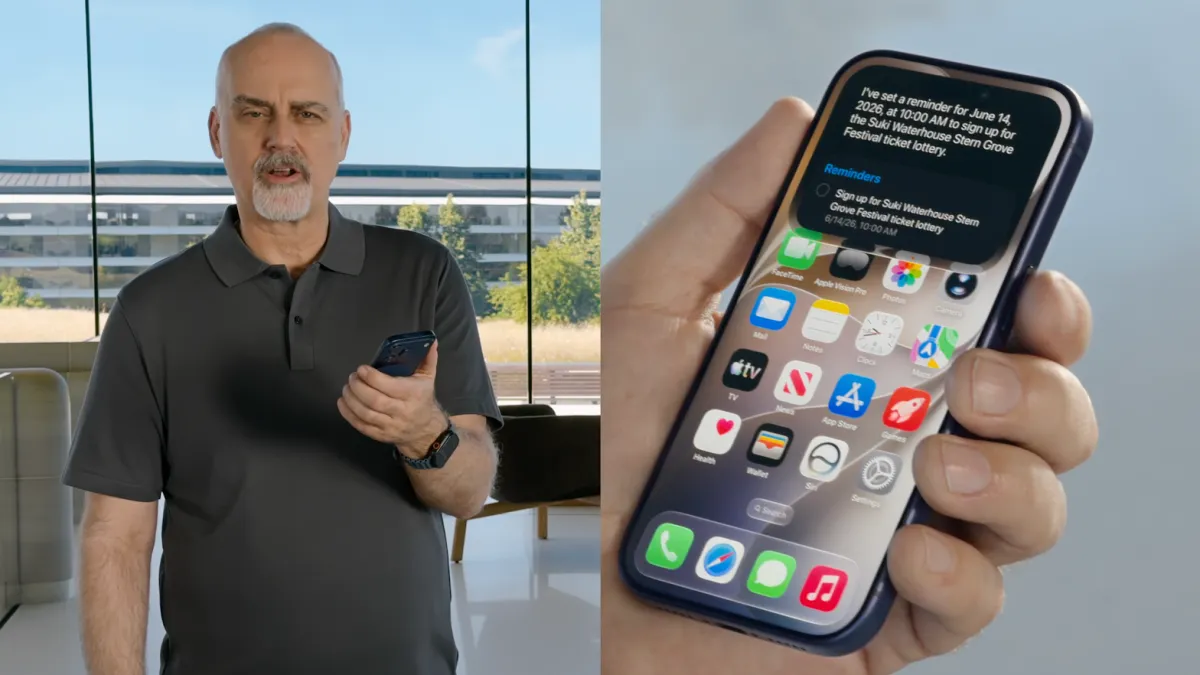
The integration with the iPhone's Dynamic Island offers a visually engaging way for Siri AI to present information. Whether it's displaying reminders, playing music, offering navigation routes, or presenting web search results, the Dynamic Island provides a seamless and intuitive interface for Siri's responses. This visual integration enhances the user experience by making information readily accessible and easier to digest.
Cross-Platform Integration and VisionOS Experience
Siri AI's reach extends across Apple's entire ecosystem, promising a consistent and powerful experience on iOS, macOS, iPadOS, watchOS, and visionOS. Users can initiate tasks on one device and seamlessly continue them on another, fostering a fluid workflow. This cross-device continuity ensures that Siri is always available and contextually aware, regardless of the platform being used.
The introduction of Siri AI on visionOS marks a particularly innovative step. On Apple Vision Pro, Siri manifests as a translucent orb, allowing users to interact with the assistant simply by looking at its avatar and speaking their requests. This intuitive, gaze-and-speak interaction method exemplifies Apple's commitment to pushing the boundaries of human-computer interaction and creating immersive user experiences.

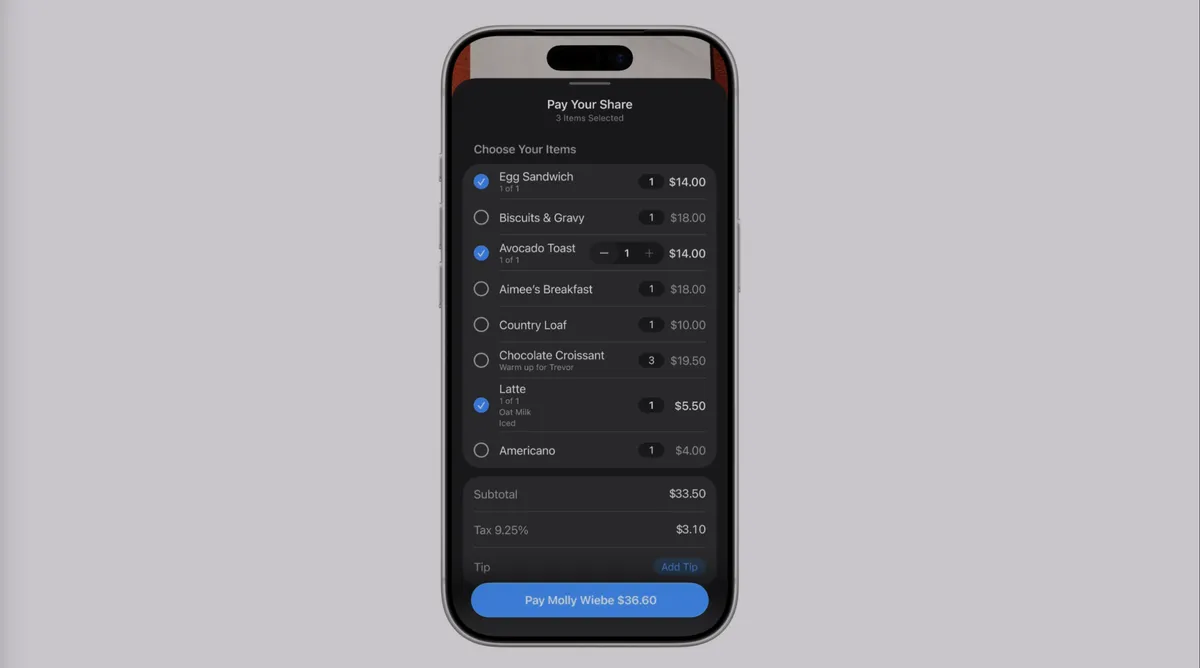
Examples demonstrated at WWDC showcased Siri AI assisting with tasks like building a shed, where it provided step-by-step instructions and relevant resources drawn from the user's Mac. Another demonstration highlighted its utility in managing personal finances, such as assisting with splitting a restaurant bill by analyzing a photo of the receipt. These practical applications underscore the versatility and power of the upgraded Siri.
Privacy as a Core Tenet
Apple reiterated its unwavering commitment to user privacy throughout the Siri AI unveiling. The company emphasized that personal data is processed on-device whenever feasible, minimizing the need for sensitive information to leave the user's control. When cloud-based processing is necessary for complex queries, Apple employs advanced anonymization techniques to protect user identity and data.
This privacy-first approach is crucial for building confidence in an AI assistant that deeply integrates with a user's personal information and daily life. By prioritizing security and user control, Apple aims to differentiate Siri AI from other offerings and solidify its position as a trusted digital companion. This commitment is reflected in the design and architecture of the new Siri, ensuring that its enhanced capabilities do not come at the expense of user privacy.
Availability and Future Expansion
Siri AI will initially be launched with support for the English language. Apple has indicated plans for a rapid expansion to include a wider array of languages in the near future. This phased rollout allows Apple to refine the AI models and ensure a high-quality experience across different linguistic contexts before a broader global release.
The introduction of Siri AI at WWDC 2026 represents a significant leap forward for Apple's virtual assistant. By blending advanced AI with a steadfast commitment to privacy and seamless cross-platform integration, Apple aims to redefine user expectations for intelligent assistants and reinforce its ecosystem's value.