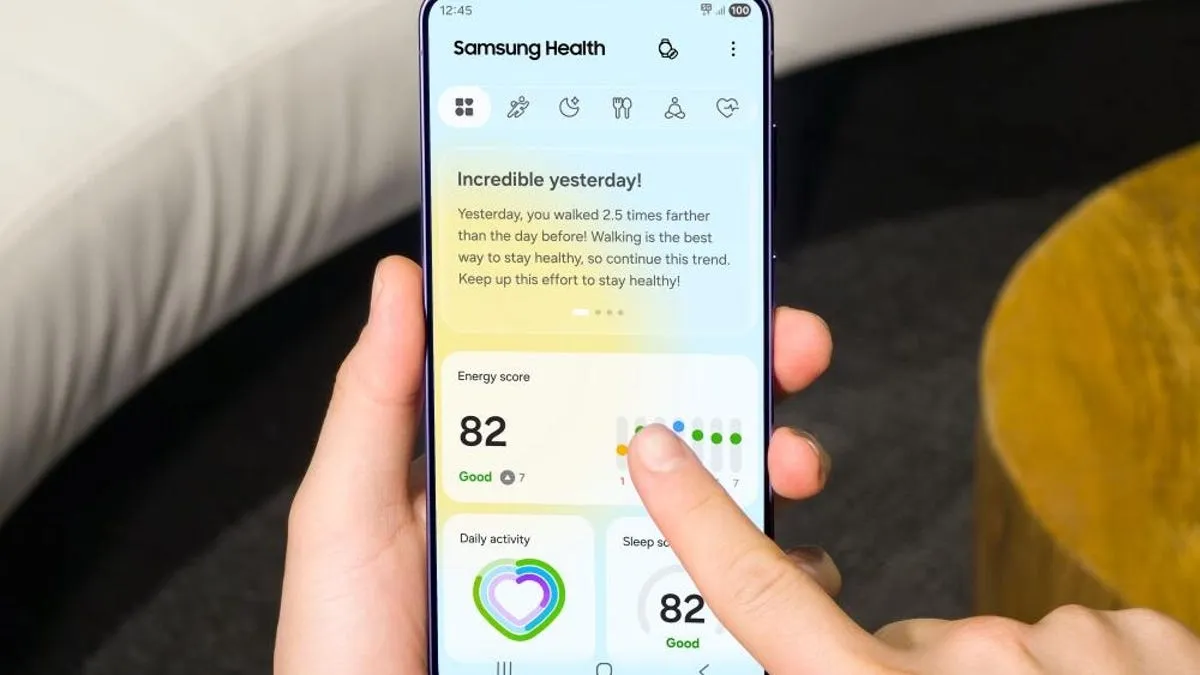
The latest advancements in mobile artificial intelligence are rapidly reshaping user experiences, with smartphone manufacturers integrating sophisticated AI capabilities into their flagship devices. Samsung's forthcoming Galaxy S26 series is poised to introduce a suite of AI-driven features, prominently showcasing an innovative "Screenshot Analyzer." This tool aims to streamline the management and organization of captured screen content, positioning itself as a significant enhancement over existing solutions, including those offered by competitors like Google's Pixel devices.
Dubbed Screenshot Analyzer, this new feature leverages Galaxy AI to automatically scan and categorize screenshots stored on the device. This intelligent categorization extends across a broad range of content types, including social media posts, travel documents like boarding passes, digital coupons, chat conversations, and even barcodes and QR codes. The primary objective is to simplify the often-cumbersome task of sifting through numerous screenshots, making it easier for users to locate specific images efficiently.
Galaxy AI Enhances Screenshot Management
The integration of Screenshot Analyzer directly into the Samsung Gallery application signifies a user-centric design approach. Unlike standalone applications that may require separate navigation, this feature is embedded within the primary interface users already frequent for managing their visual media. This seamless integration is designed to reduce friction and improve accessibility, allowing users to find, organize, and utilize their screenshots with unprecedented ease. The AI's ability to recognize and sort diverse screenshot types promises a substantial improvement for users who frequently capture information from various sources.
Beyond mere organization, Screenshot Analyzer offers contextual utility by enabling users to quickly return to the source of a captured image. While this functionality is already present for web page screenshots, Samsung indicates that it will extend to other content types, including chat conversations. The exact implementation for chat screenshots remains to be detailed, but the potential to directly access the relevant application or conversation thread from a screenshot offers a powerful shortcut for users needing to revisit specific interactions or information shared digitally.

This development places Samsung's new AI feature in direct comparison with Google's offerings. Google has implemented similar AI-driven screenshot management capabilities, notably starting with the Pixel 9 series. However, the implementation on Pixel devices has been through a separate application, distinct from the core photo gallery. This separation, while functional, presents a less integrated user experience compared to Samsung's approach. The accidental opening of the Pixel Screenshots app, as noted by some users, highlights the potential usability challenges of a standalone utility versus an embedded feature.
Samsung's strategic decision to embed Screenshot Analyzer within the Gallery app directly addresses this usability concern. By ensuring the feature is discoverable and accessible within the familiar Gallery interface, Samsung aims to maximize user adoption and satisfaction. The system's capacity to intelligently tag and categorize diverse visual data points ensures that users can not only find what they need but also understand the context and origin of their screenshots, a significant step forward in mobile data management.
Potential for Broader Rollout and Future Implications
While the Screenshot Analyzer is currently presented as a key feature of the Galaxy S26 series and the One UI 8.5 operating system, its future availability on existing Samsung devices remains a point of interest. The company has a track record of extending popular software features to older models through updates. The potential rollout of Screenshot Analyzer to a wider user base via the One UI 8.5 update would significantly broaden the impact of this AI enhancement, offering tangible benefits to a larger segment of Samsung's customer ecosystem.
The introduction of advanced AI features like Screenshot Analyzer underscores a broader industry trend towards making AI an indispensable component of the smartphone experience. As AI continues to evolve, its integration into everyday mobile functionalities promises to unlock new levels of convenience, efficiency, and personalization. The competitive landscape, particularly between Samsung and Google, is likely to drive further innovation in this space, pushing the boundaries of what mobile devices can achieve through intelligent software and hardware integration.

Impact Analysis
The Screenshot Analyzer feature on the Galaxy S26 series represents a significant stride in practical AI implementation for smartphones. By offering an intuitive and deeply integrated solution for screenshot management, Samsung not only enhances user experience but also sets a new benchmark for organizational tools. This move is particularly impactful in distinguishing the S26 from competitors, directly addressing a common pain point for smartphone users who accumulate vast numbers of screenshots. The competitive pressure from this feature could encourage other manufacturers, including Google, to refine their own approaches to AI-driven content organization, potentially leading to more user-friendly and integrated solutions across the mobile ecosystem. Furthermore, its potential expansion to existing devices via software updates could solidify AI-powered utility as a standard expectation for premium smartphone offerings.