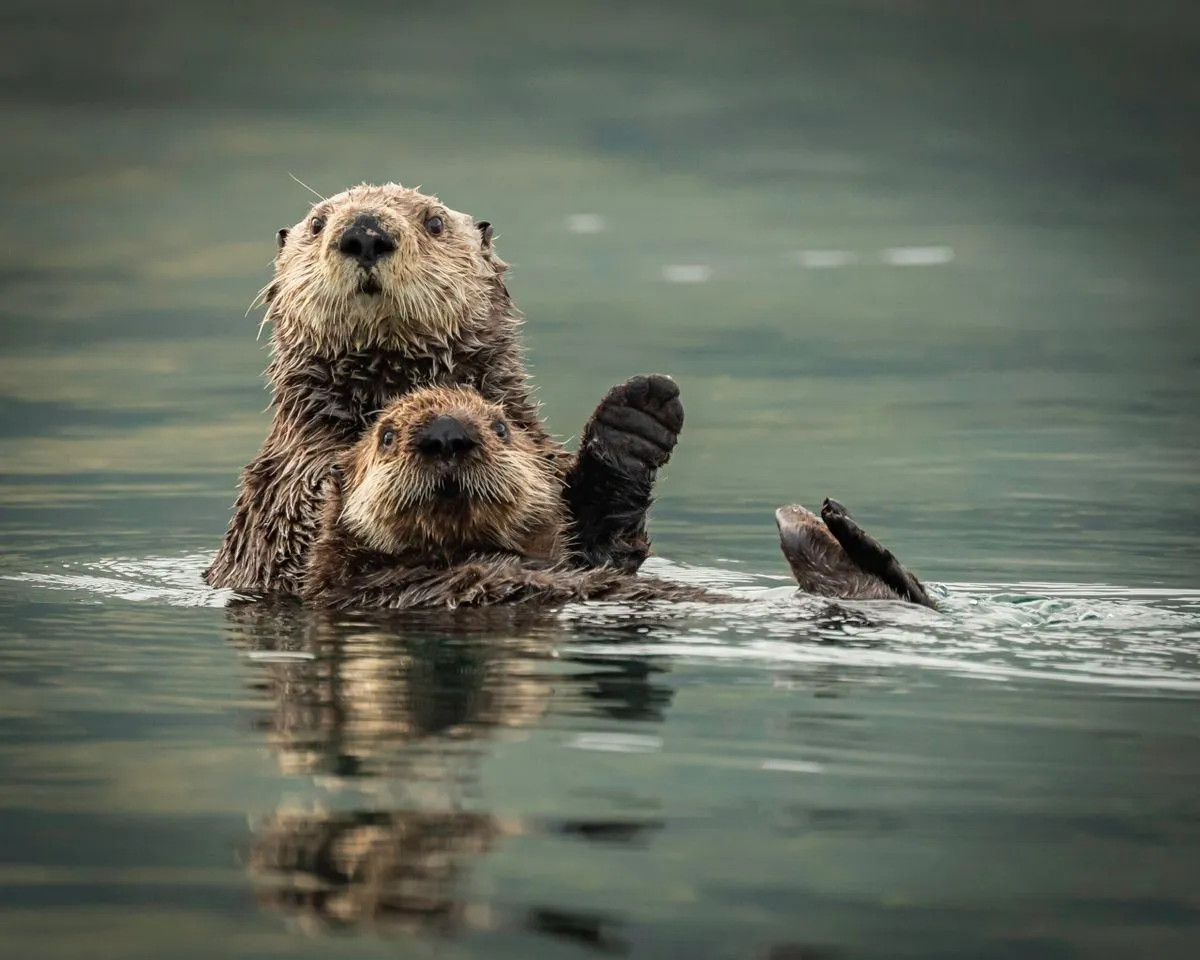
The sea otter (Enhydra lutris) holds the undisputed title for the densest fur among all animals. A single square centimeter of its skin can host between 100,000 to 160,000 hairs, resulting in an adult sea otter potentially sporting over a billion hairs in total. This incredible fur density is not merely an aesthetic feature; it is a critical adaptation for survival in the frigid waters of the North Pacific. Unlike marine mammals that rely on blubber for insulation, sea otters depend almost entirely on their fur's insulating properties. The multi-layered coat traps air close to the skin, creating a barrier against the cold. Consequently, sea otters dedicate a significant portion of their day to grooming, meticulously cleaning and maintaining their fur to ensure its water-repellent and insulating capabilities remain optimal.
The sea otter's reliance on its fur highlights the intricate relationship between an animal's physical characteristics and its environment. This dense pelage is vital for thermoregulation, enabling them to thrive in an ecosystem where water temperatures can drop significantly. Their grooming behavior is not just about cleanliness but a survival imperative, ensuring that the air pockets within their fur remain undisturbed and effective against the chilling effects of the ocean.
The Perilous History and Current Status of Sea Otters
Historical Exploitation and Population Decline
The very characteristic that makes sea otters so unique—their exceptionally dense fur—also led to their near decimation. For centuries, humans prized sea otter pelts for their unparalleled warmth and luxury. This demand fueled extensive hunting, particularly from the 18th to the early 20th centuries. The pursuit of these valuable pelts was so relentless that by the beginning of the 20th century, sea otter populations had been reduced to a mere fraction of their original numbers, with estimates suggesting only 1,000 to 2,000 individuals remained globally. This severe decline pushed the species to the brink of extinction, underscoring the devastating impact of unchecked commercial exploitation on wildlife populations.
The historical fur trade significantly altered the ecological landscape by drastically reducing the sea otter population. Conservation efforts and stricter regulations have since been implemented, but the scars of this period remain. The International Union for Conservation of Nature (IUCN) currently lists the sea otter as Endangered, reflecting the ongoing vulnerability of the species despite some recovery in certain areas. Their recovery is a slow and challenging process, dependent on habitat preservation and continued protection from threats.
Biology and Diet of the Sea Otter
Sea otters are marine mammals found along the coasts of the northern and eastern North Pacific Ocean. Adults typically measure around four feet in length and can weigh up to 29 kilograms. They possess a relatively long lifespan for a marine mammal of their size, with some individuals living up to 23 years. Their diet is diverse and plays a crucial role in maintaining the health of their coastal ecosystems. Sea otters are opportunistic predators, feeding on a variety of marine invertebrates.
Key components of their diet include sea urchins, crabs, squid, octopuses, and various species of fish. Their foraging habits, particularly their consumption of sea urchins, have a significant ecological impact. By controlling sea urchin populations, sea otters help prevent overgrazing of kelp forests, thereby preserving these vital underwater habitats which support a wide array of marine life. This trophic cascade effect highlights the importance of sea otters as a keystone species in their environment.
Conservation Challenges and Hope for the Future
Threats to Modern Sea Otter Populations
Despite being protected under international and national laws, sea otters continue to face numerous threats in the wild. Habitat degradation due to coastal development, pollution from oil spills and agricultural runoff, and entanglement in fishing gear are significant concerns. Climate change also poses an indirect threat by altering ocean currents and the availability of prey species. Furthermore, the lingering effects of historical overhunting mean that many populations are still recovering, making them more susceptible to these modern challenges.
The resilience of the sea otter is remarkable, but its future depends on sustained conservation efforts. Protecting critical coastal habitats, mitigating pollution, and promoting sustainable fishing practices are essential steps. The reintroduction programs and ongoing monitoring efforts provide valuable data for understanding population dynamics and informing conservation strategies. The presence of sea otters is an indicator of a healthy marine ecosystem, making their conservation a priority for broader ocean health.
The Role of Research and Public Awareness
Ongoing scientific research is crucial for understanding the complex needs of sea otters and developing effective conservation strategies. Studies on their genetics, behavior, diet, and response to environmental changes provide essential insights. Filmmakers and researchers have also employed innovative methods, such as the development of robotic decoys resembling otters, to study their natural behaviors in the wild without causing disturbance. Public awareness and education play an equally vital role in fostering support for conservation initiatives.
By highlighting the unique biology and ecological importance of sea otters, organizations and individuals can advocate for stronger protective measures. The story of the sea otter serves as a potent reminder of the impact human activities can have on wildlife and the importance of dedicated conservation efforts to ensure the survival of vulnerable species. The delicate balance of marine ecosystems often hinges on the health of species like the sea otter.