Researchers from the Chinese Academy of Sciences have announced a significant advancement in battery technology, unveiling a novel solid-state lithium-metal battery prototype. This new development promises to combine ultra-fast charging capabilities with remarkably high energy density, characteristics that the global electric vehicle (EV) industry has been striving to achieve for years. The findings, detailed in a publication by the Journal of the American Chemical Society, suggest a potential paradigm shift in energy storage for applications ranging from electric vehicles to consumer electronics.
The prototype battery has demonstrated an impressive energy density of 451.5 Wh/kg. Crucially, it maintained stable performance over 700 charge-discharge cycles when subjected to a demanding 20C charging rate. This rate theoretically allows for a full charge and discharge cycle to be completed in approximately three minutes, a speed that could revolutionize the user experience for EV owners and significantly reduce charging downtime compared to current battery technologies.
Advancements in Solid-State Battery Technology
Achieving High Energy Density and Rapid Charging
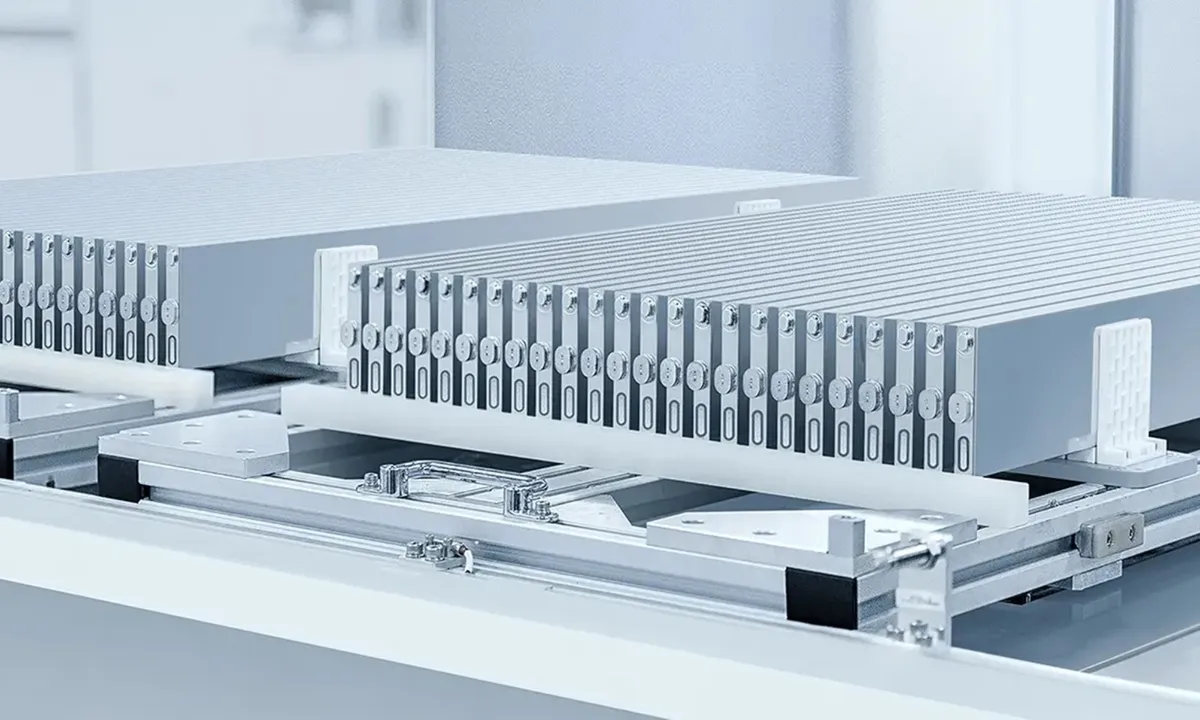
The core innovation lies in the battery's solid-state electrolyte, which replaces the flammable liquid electrolytes found in conventional lithium-ion batteries. This solid structure inherently offers improved safety and stability, particularly under demanding conditions like rapid charging. The reported energy density of 451.5 Wh/kg is substantially higher than most commercially available EV batteries, which typically range from 250-300 Wh/kg. This leap in energy density could translate directly into EVs with longer driving ranges or lighter battery packs, offering greater design flexibility for manufacturers.
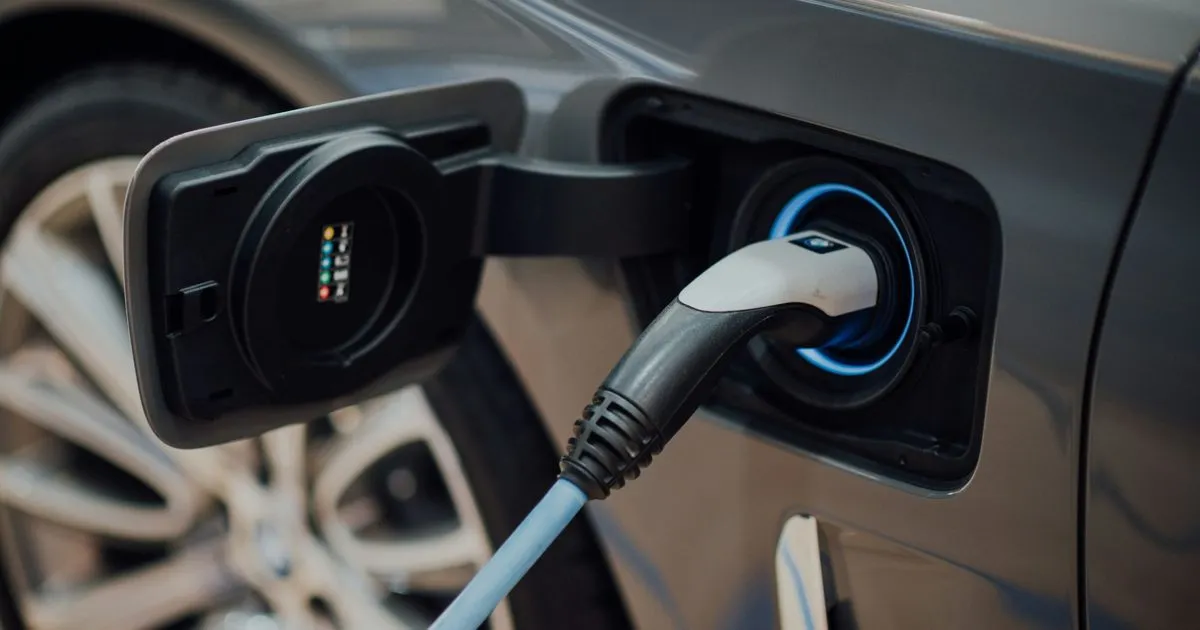
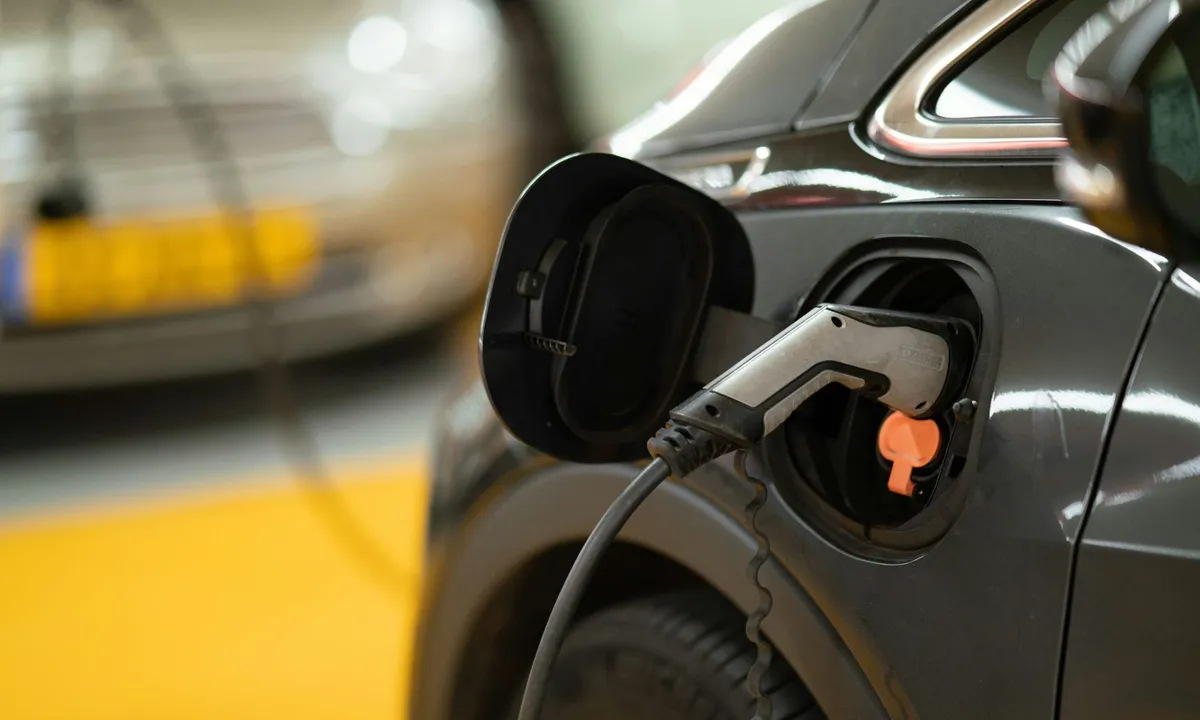
The ability to withstand a 20C charging rate is another critical breakthrough. Current fast-charging standards for EVs often involve charging speeds between 150kW and 350kW, with many vehicles still requiring 20 to 40 minutes to achieve a substantial charge. The Chinese researchers' work suggests a future where charging an EV could be as quick as refueling a gasoline-powered car, alleviating range anxiety and making EV adoption more convenient for a wider audience.
Industry Context and Global Competition
This breakthrough from Chinese researchers arrives at a pivotal moment, as China continues to lead in both battery innovation and EV market penetration. Chinese automakers and battery manufacturers, including BYD, CATL, and Ganfeng Lithium, are aggressively investing in research and development for next-generation battery technologies, including solid-state solutions. Their rapid progress is setting a challenging pace for international competitors.
Western automakers are increasingly forging partnerships with Chinese companies to access advanced technologies and manufacturing capabilities. Recent examples include Stellantis expanding its collaboration with Dongfeng Motor Corporation and forming joint ventures with Leapmotor for European markets. Volkswagen has also invested in Chinese EV startups like Xpeng. These collaborations highlight a global trend of deepening ties, potentially allowing Western firms to benefit from China's accelerated technological advancements in the EV sector.
Safety and Commercialization Challenges
Addressing Safety Concerns with High Energy Density
While the prospect of ultra-high energy density and rapid charging is exciting, safety remains a paramount concern in battery development. Batteries with higher energy density inherently possess more stored energy, which can increase the risk of thermal runaway if internal faults occur. Incidents of EV fires, although rare, have drawn attention to the thermal management challenges associated with lithium-ion battery systems.
The researchers claim their solid-state battery prototype passed nail-penetration tests, a common benchmark for evaluating resistance to internal short circuits and assessing safety. However, the transition from laboratory-proven safety features to the rigorous demands of real-world automotive applications is a complex and lengthy process. Comprehensive validation under diverse operating conditions is essential to ensure reliability and consumer safety.
The Road to Commercial Viability
Despite frequent announcements of breakthroughs in solid-state battery technology, widespread commercialization remains a significant hurdle. The challenges extend beyond laboratory performance to encompass manufacturing scalability, long-term durability under real-world usage, stringent safety certification processes, and compliance with evolving government regulations. Many companies in the field are targeting commercialization windows between 2026 and 2028.
Until these advanced solid-state batteries reach mass production, conventional lithium iron phosphate (LFP) batteries are expected to maintain their dominance in the market. LFP batteries offer a compelling balance of cost-effectiveness, established supply chains, and proven reliability, making them a practical choice for many current EV models. Nevertheless, the accelerated pace of battery research and development, particularly from Chinese entities, indicates that the EV battery landscape is rapidly evolving, with significant innovations on the horizon.
Impact Analysis
This advancement in solid-state battery technology, if successfully commercialized, could significantly accelerate the global transition to electric mobility. The combination of ultra-fast charging and high energy density addresses two of the most critical barriers to widespread EV adoption: charging time and range anxiety. Such a development would not only empower consumers with a more convenient and practical EV experience but also drive intense competition among automakers and battery manufacturers to integrate this next-generation technology. Furthermore, it underscores China's leading role in shaping the future of automotive power, potentially influencing global supply chains, manufacturing standards, and technological development priorities for years to come.