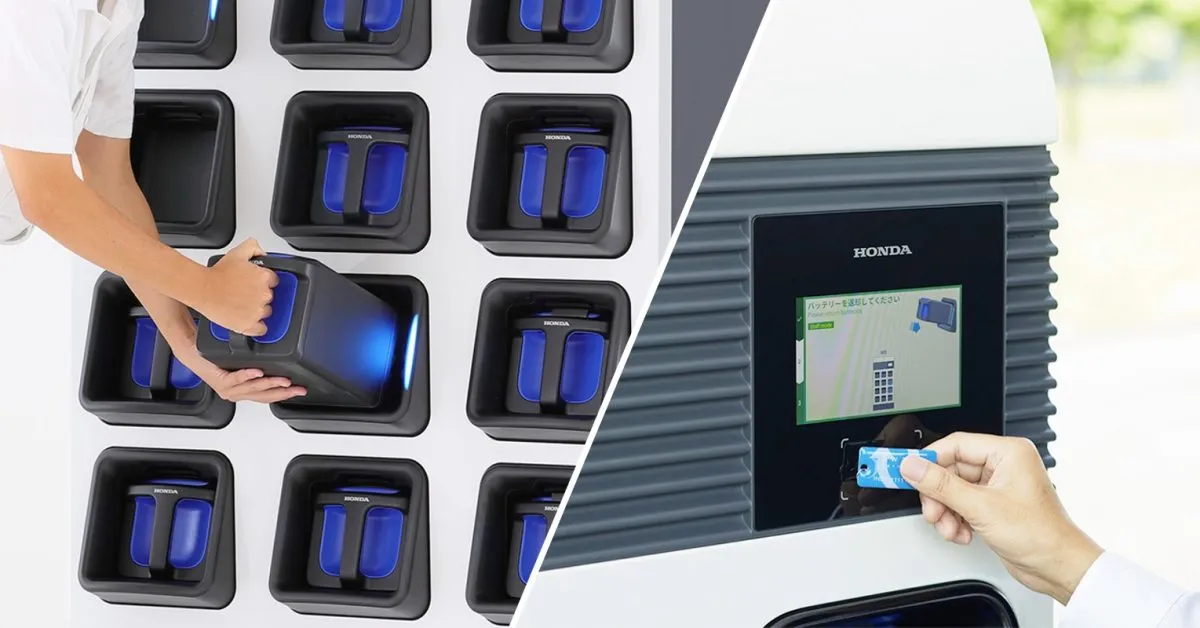
Honda and LG Energy Solution are collaborating on a significant pilot project in Vietnam's capital, Hanoi, aimed at expanding the infrastructure for battery-swapping electric motorcycles. This initiative, formalized through a recent memorandum of understanding signed by the companies and city officials, is slated to commence in the third quarter of 2026. The project intends to deploy approximately 50 battery swap stations and a fleet of around 500 electric motorcycles and scooters, marking a substantial step toward electrifying urban mobility in Southeast Asia.
The strategic partnership leverages the strengths of both global corporations and the local government. LG Energy Solution will be responsible for providing the cylindrical 2170 battery cells and managing the essential backend infrastructure. This includes the development and operation of safety systems, the swap stations themselves, and comprehensive battery lifecycle management. Honda's contribution will focus on supplying its electric two-wheelers, integrating its Mobile Power Pack e: (MPPe) swappable battery platform, and providing the necessary swapping hardware. City officials in Hanoi will play a crucial role in facilitating the necessary permits, ensuring local coordination, and offering policy support to enable the smooth operation of the pilot program.
Battery Swapping Technology and Honda's Global Strategy
Honda has been a vocal proponent of swappable battery technology for several years, championing its MPPe platform as a standardized solution for electric scooters and motorcycles. This platform features a removable battery pack designed for cross-model compatibility, offering riders the convenience of replacing a depleted battery with a fully charged one in mere seconds, thereby eliminating the downtime associated with traditional recharging methods. This approach aims to address range anxiety and charging availability concerns that can be barriers to EV adoption.
The company has already conducted various trials and implementations of this system in diverse markets, including Japan, Indonesia, India, and Thailand. These initiatives have often involved collaborations with members of its swappable battery consortium, an effort aimed at establishing a unified standard for battery technology in the electric two-wheeler sector. 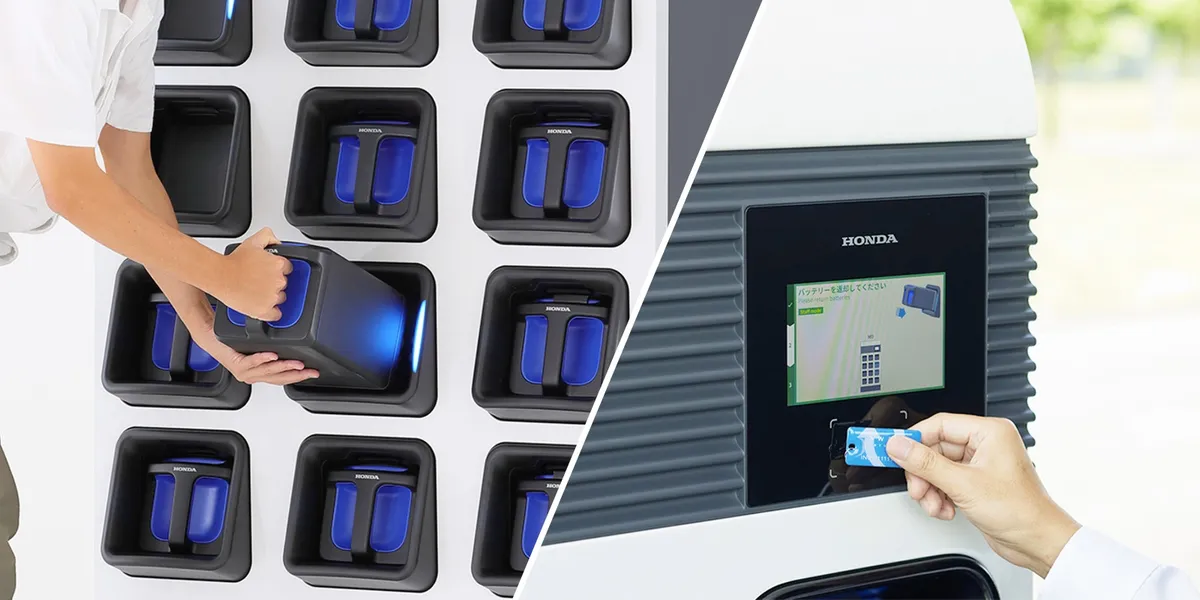
LG Energy Solution's Role and Southeast Asian Market Focus
LG Energy Solution, a leading global manufacturer of batteries, supplies cells for a wide array of electric vehicles, from passenger cars to smaller mobility solutions. The company's increasing focus on the rapidly growing Southeast Asian two-wheeler market highlights a strategic pivot. In densely populated urban environments across this region, battery swapping is emerging as a potentially more practical and efficient solution compared to relying solely on home charging, especially for users with limited access to private charging facilities.
An LG Energy Solution representative emphasized the significance of Vietnam in the broader transition to electric two-wheelers within Southeast Asia. The company plans to leverage its advanced battery technology, which focuses on enhancing safety, extending usage time, and improving battery lifespan for two-wheeled applications. This technological advantage is expected to contribute significantly to the development of Vietnam's eco-friendly transportation infrastructure.
Hanoi: A Strategic Testbed for Electric Mobility
Vietnam is rapidly positioning itself as a pivotal market for electric motorcycles and scooters. The country possesses a deeply ingrained two-wheeler culture, with millions of gasoline-powered scooters currently dominating urban streets. However, a confluence of factors, including increasingly stringent emissions regulations, escalating urban air pollution, and proactive government policies promoting electrification, are accelerating the shift towards electric mobility.
Consequently, Hanoi presents an ideal location for testing and validating the battery swapping model. The city's characteristics—dense traffic, a massive base of scooter riders, and heavy daily vehicle usage patterns—provide a challenging yet realistic environment. Success in Hanoi, particularly in demonstrating the viability and user acceptance of battery swapping, could establish a replicable blueprint for other Southeast Asian cities aiming to electrify their transportation networks without complete reliance on conventional charging infrastructure. 
Impact Analysis
The collaboration between Honda and LG Energy Solution in Hanoi signifies a critical development in the global push for electric two-wheeler adoption, particularly in emerging markets. By focusing on battery swapping, this initiative directly tackles key barriers such as charging time and infrastructure accessibility, which are often more pronounced in densely populated urban centers and developing economies. The success of this pilot project could not only accelerate the transition away from internal combustion engine vehicles in Vietnam but also serve as a scalable model for other regions grappling with similar transportation and environmental challenges.
Furthermore, the establishment of a standardized battery swapping ecosystem, supported by major industry players like Honda and battery technology leaders like LG Energy Solution, could drive significant innovation and competition. This could lead to more affordable and accessible electric two-wheelers, further democratizing electric mobility. The involvement of the Hanoi city government also underscores the importance of public-private partnerships in driving sustainable urban transportation solutions.