The intricate ecosystem within the human gut, known as the microbiome, is foundational to overall well-being. This complex community of microorganisms, comprising bacteria, fungi, and viruses, significantly influences digestion, immunity, and even mood. Recognizing the profound impact of gut health, a growing body of evidence underscores the critical role of diet in cultivating a flourishing microbiome. By strategically incorporating specific foods, individuals can actively support and enhance their beneficial gut bacteria, paving the way for improved digestive function and systemic health.
This comprehensive guide delves into ten potent foods, each offering unique prebiotic or probiotic benefits. These ingredients are not only nutrient-dense but also remarkably versatile, allowing for seamless integration into daily culinary practices. From fermented dairy products to fiber-rich fruits and whole grains, each food item is presented with insights into its specific contributions to gut health, alongside practical advice for optimal consumption and preparation. Understanding these dietary powerhouses empowers individuals to make informed choices that nourish their inner ecosystem.
Ten Foods to Cultivate a Healthy Gut Microbiome
Power-Packed Yogurt

Yogurt stands out as a cornerstone for gut health, primarily due to its rich content of live and active cultures, commonly referred to as probiotics. These beneficial bacteria play a crucial role in maintaining a balanced gut flora, aiding in the breakdown of food, and synthesizing certain vitamins. To maximize the probiotic impact, it is essential to select yogurts that are explicitly labeled with "live and active cultures." Opting for plain, unsweetened varieties is also highly recommended, as excessive sugar can negate the positive effects of probiotics and potentially feed less desirable gut microbes. Yogurt’s smooth texture and mild flavor profile make it exceptionally adaptable; it can be enjoyed on its own, paired with fiber-rich fruits like berries to enhance its prebiotic qualities, or blended into smoothies for a nutrient-dense breakfast or snack. Its versatility extends to savory applications, serving as a base for dressings, dips, or marinades.
Fermented Magic: Sauerkraut

Sauerkraut, a traditional fermented food made from finely shredded cabbage, is a potent source of probiotics, essential for a healthy gut microbiome. The anaerobic fermentation process not only preserves the cabbage but also enhances the bioavailability of its nutrients and introduces a diverse array of beneficial bacteria. When purchasing sauerkraut, it is crucial to look for unpasteurized, refrigerated versions, as pasteurization, which involves heating, can eliminate the live cultures. The distinct tangy flavor and satisfying crunch of sauerkraut make it a delightful addition to various dishes. It can elevate sandwiches, add complexity to salads, or serve as a flavorful side dish. Regular inclusion of sauerkraut in the diet can contribute to improved digestion and a more resilient gut lining.
Kefir: Probiotic Elixir

Kefir, a fermented milk beverage, offers an even more diverse and robust probiotic profile compared to yogurt. Traditionally prepared by adding kefir grains (a symbiotic culture of bacteria and yeasts) to milk, it results in a tangy, slightly effervescent drink rich in numerous beneficial microbial strains. This makes it a powerful ally for gut health. Similar to yogurt, choosing plain, unsweetened kefir is advisable to avoid added sugars. Kefir is often well-tolerated by individuals with lactose intolerance, as the fermentation process significantly breaks down lactose. It can be consumed as a standalone beverage, incorporated into smoothies for added tang and probiotics, or used as a base for salad dressings and marinades, infusing meals with beneficial microbes.
Kimchi: Spice Up Your Gut

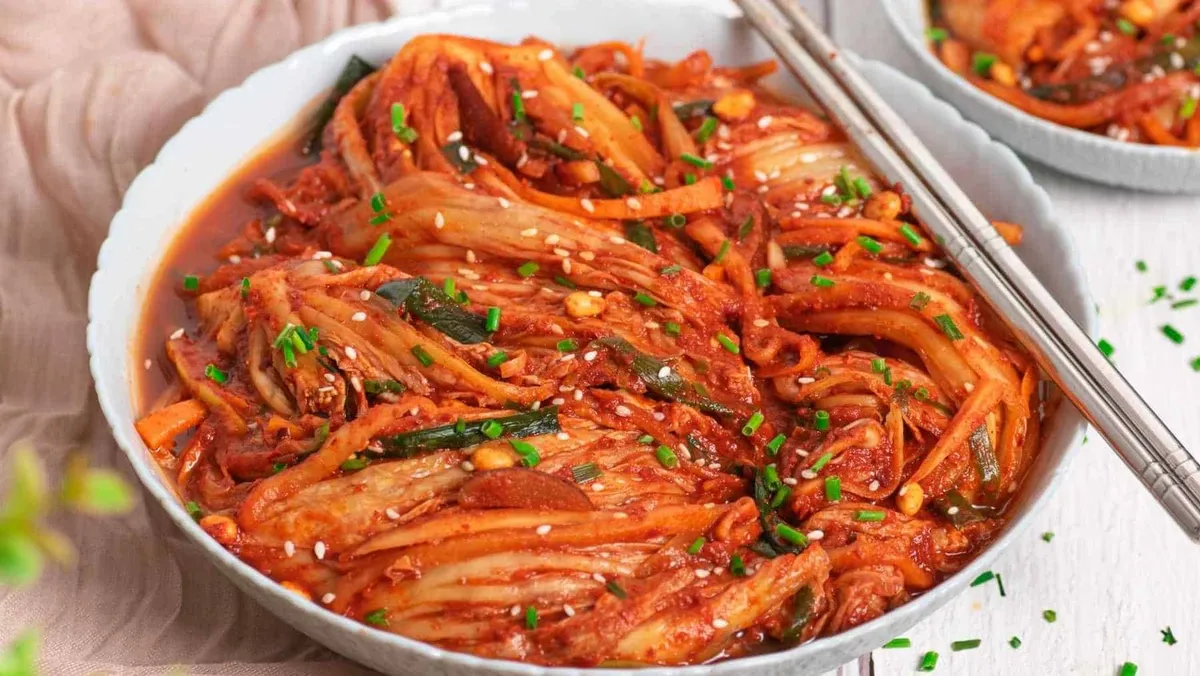
A staple in Korean cuisine, kimchi is a vibrant and spicy fermented dish, most commonly made with napa cabbage and a variety of seasonings including garlic, ginger, and gochugaru (Korean chili flakes). Beyond its distinctive pungent flavor, kimchi is a powerhouse of probiotics, contributing significantly to gut health. The fermentation process generates lactic acid bacteria, which are vital for a balanced gut ecosystem. When selecting kimchi, look for fresh, refrigerated varieties that indicate active fermentation. Its complex flavor profile makes it a versatile accompaniment to rice dishes, noodles, and stir-fries, or it can be used as a zesty ingredient in stews and omelets. The high fiber content in kimchi also supports digestive regularity.
Tempeh: Plant-Based Protein

Tempeh, an Indonesian fermented soybean product, provides a substantial source of plant-based protein and beneficial probiotics. Its firm, cake-like texture and nutty, earthy flavor develop through the fermentation process, where a beneficial mold, Rhizopus oligosporus, binds the soybeans together. This fermentation also breaks down phytic acid, improving the digestibility and absorption of minerals. Tempeh is highly versatile in cooking; it can be steamed, marinated, baked, or fried. Slicing it thinly and marinating it in savory ingredients like soy sauce, ginger, and garlic before pan-frying or baking can create a delicious texture contrast, making it an excellent addition to grain bowls, salads, or stir-fries.
Kombucha: Fizzy Digestive Aid
Kombucha, a fermented beverage made from sweetened tea and a symbiotic culture of bacteria and yeast (SCOBY), has gained popularity for its potential probiotic benefits and refreshing effervescence. The fermentation process yields organic acids, B vitamins, and a range of probiotics that may contribute to a healthy gut microbiome. While commercially available kombucha is convenient, it's important to monitor sugar content, as some brands add significant amounts post-fermentation. Brewing kombucha at home offers greater control over ingredients and fermentation time. It is typically enjoyed chilled as a revitalizing drink, offering a healthier alternative to sugary sodas and supporting digestive wellness.
Miso: Umami-Rich Fermented Paste

Miso, a traditional Japanese paste made from fermented soybeans, rice, barley, or other grains, is a culinary staple prized for its deep umami flavor and probiotic content. The fermentation process, often involving a koji starter, breaks down proteins and carbohydrates, making nutrients more accessible and introducing beneficial microorganisms. Miso can be added to a wide array of dishes, most notably in miso soup, but also in marinades, dressings, and glazes. To preserve its live probiotic cultures, it is best to add miso towards the end of the cooking process and avoid prolonged high-heat exposure. Different types of miso, such as white (shiro) miso for a milder, sweeter taste, or red (aka) miso for a richer, saltier profile, offer distinct culinary applications.
Pickles: Crunchy Prebiotic Support

Naturally fermented pickles, made through brine fermentation rather than pickling in vinegar, are a fantastic source of probiotics. Cucumbers submerged in a saltwater brine undergo lactic acid fermentation, producing beneficial bacteria that support gut health. Unlike vinegar-based pickles, which are primarily acidic and lack live cultures, brine-fermented pickles retain their probiotic properties. They offer a satisfying crunch and a tangy flavor, making them a versatile addition to meals. Enjoy them as a side, in sandwiches, or as a standalone snack. For optimal probiotic benefits, choose pickles stored in the refrigerated section of grocery stores, as these are typically unpasteurized.
Fiber-Rich Bananas

Bananas are a readily available and convenient source of dietary fiber, particularly resistant starch when slightly green, which acts as a prebiotic. Prebiotics serve as food for beneficial gut bacteria, promoting their growth and activity. As bananas ripen, their starch content converts to simple sugars, increasing sweetness but reducing resistant starch. Including bananas in the diet supports digestive regularity and fosters a healthy gut environment. They are easily incorporated into various dishes, from morning oatmeal and smoothies to baked goods, providing natural sweetness and essential nutrients.
Whole Grains: Gut's Best Friend
Whole grains, such as oats, quinoa, brown rice, and barley, are indispensable for gut health due to their high content of dietary fiber, including prebiotics like beta-glucans. These fibers are not digested by human enzymes but are fermented by beneficial bacteria in the colon, producing short-chain fatty acids (SCFAs) like butyrate, which nourish colon cells and reduce inflammation. Incorporating a variety of whole grains into the diet ensures a diverse intake of fiber types, supporting a robust and diverse gut microbiome. Proper preparation, such as rinsing grains before cooking to remove excess surface starch and toasting them to enhance flavor, can further improve their digestibility and taste.