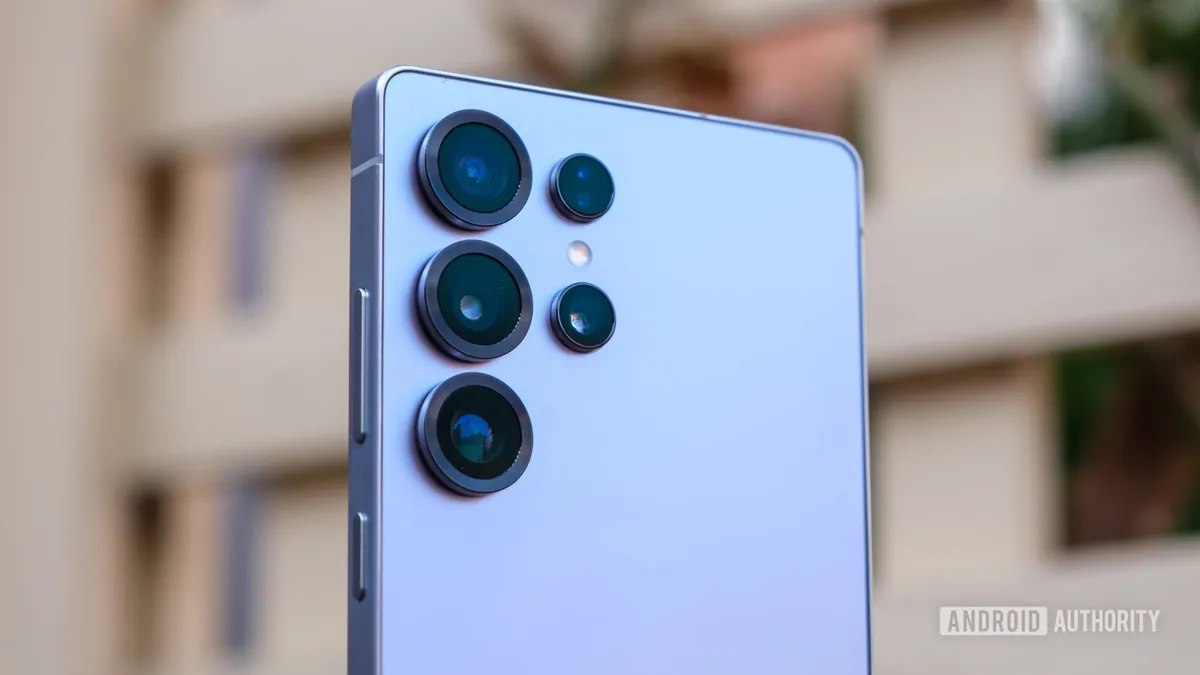
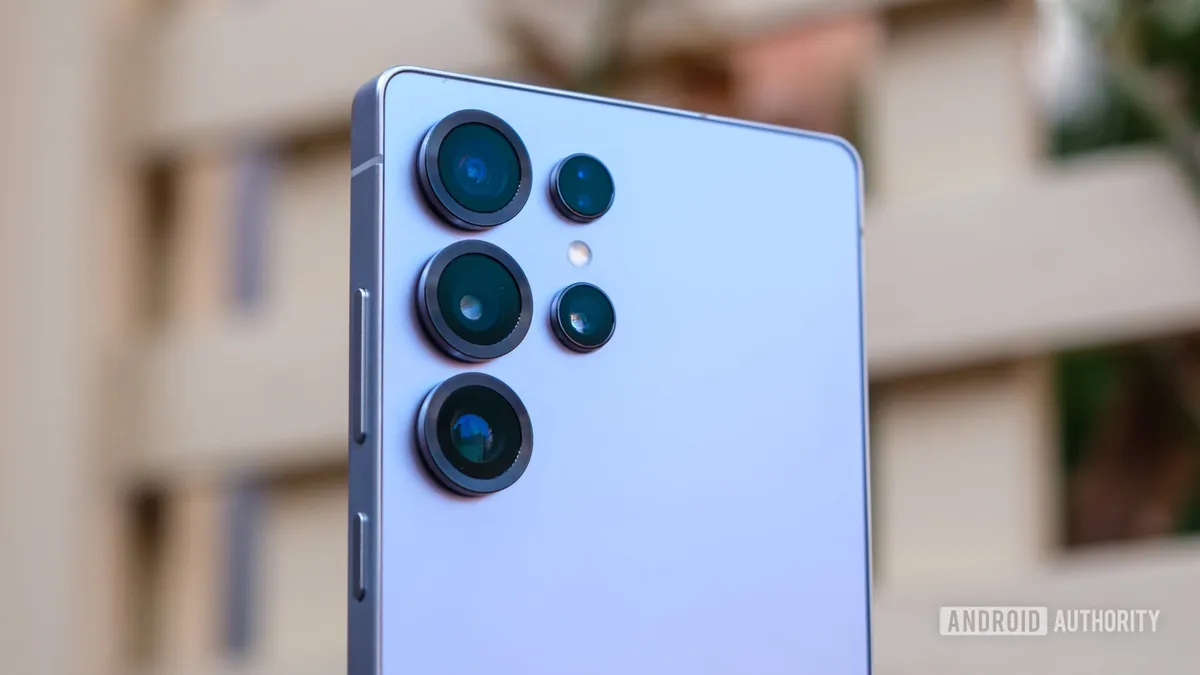
In the dynamic landscape of mobile photography, advancements in computational photography and the integration of sophisticated camera modules have propelled smartphone imaging capabilities to unprecedented levels. While certain manufacturers like vivo and OPPO have aggressively pushed hardware boundaries, mirroring dedicated camera systems, giants such as Apple, Samsung, and Google have predominantly focused on software enhancements between generations. Samsung, in particular, has faced scrutiny for its incremental hardware updates on flagship models, with the Galaxy S25 Ultra featuring a camera system largely similar to its predecessor. However, a recent testament by a professional photographer underscores the principle that artistic vision and skillful execution often transcend the limitations of equipment.
Steven Scott Grogin, a seasoned professional photographer specializing in wildlife and macro subjects, has demonstrated the potent capabilities of the Samsung Galaxy S25 Ultra. His work, captured exclusively with Samsung's flagship device, has garnered significant recognition from prestigious photography accolades. Grogin's achievements include a top placement in the "Macro & Details" category at the Mobile Photography Awards and a seventh global ranking in "Mobile Photography" at 35AWARDS. Remarkably, one of his submissions successfully transitioned from the mobile-specific category to the general photography classification, securing the 70th position worldwide in "Wildlife Photography."
The Impact of Samsung's Flagship Camera Technology on Professional Photography
Grogin's Approach to Wildlife and Macro Photography
Steven Scott Grogin’s photographic endeavors are rooted in authentic encounters with wildlife, primarily focusing on the overlooked species found across Florida and Michigan. His signature style involves adopting immersive perspectives, often at ground or water level, to capture intimate details of his subjects. This approach allows him to document a diverse range of creatures, including reptiles like alligators and snakes, amphibians such as frogs, and various insects and swamp-dwelling species. His portfolio, accessible on platforms like 500px, showcases a compelling collection of these often-unseen natural moments, vividly rendered through the lens of his Galaxy S25 Ultra.
The success of Grogin's work highlights a shift in the perception of smartphone cameras. Traditionally, capturing high-caliber wildlife and macro photography demanded specialized DSLR or mirrorless camera systems, coupled with expensive lenses. Grogin's ability to achieve award-winning results with a mobile device challenges this long-held notion. His dedication to finding unique perspectives and capturing fleeting moments demonstrates that technical prowess can be achieved even with compact, ubiquitous technology, making professional-grade results more accessible.
Challenging Perceptions of Samsung's Camera Innovation
Despite a prevailing sentiment that Samsung has been conservative with camera hardware innovation in its recent Ultra models, Grogin's experience suggests a more nuanced reality. He contends that Samsung's mobile imaging technology has reached a point where it can genuinely compete with traditional professional camera setups in specialized fields like wildlife and macro photography. This assertion is particularly significant given the general perception that Samsung's camera system has remained largely unchanged from the Galaxy S24 Ultra to the S25 Ultra.
Grogin's photographic output serves as a powerful counterargument to the idea that expensive, specialized gear is the sole determinant of photographic quality. His work emphasizes that while equipment can be an enabler, the photographer's skill, artistic eye, and dedication to their craft are paramount. This perspective is crucial for aspiring photographers who may feel constrained by their current equipment, offering encouragement that mastery of technique and a unique vision are key to creating impactful images.
The Philosophy of Mobile Photography
Grogin's success resonates with the widely accepted adage in photography: "The best camera is the one that’s with you." This quote, often attributed to Chase Jarvis, encapsulates the essence of modern photography, where spontaneity and accessibility are often as important as technical specifications. In an era where smartphones are ever-present, their potential as serious photographic tools cannot be overstated.
The narrative emerging from Grogin's experience is that the Samsung Galaxy S25 Ultra, and by extension, modern flagship smartphones, are more than just communication devices. They are sophisticated imaging tools capable of producing professional-quality results across various genres, including challenging fields like wildlife and macro photography. This evolution empowers enthusiasts and professionals alike, blurring the lines between mobile and traditional photography and opening new avenues for creative expression.
Impact Analysis
Steven Scott Grogin's achievements with the Samsung Galaxy S25 Ultra carry significant implications for both the consumer and professional photography markets. For consumers, it reinforces the message that high-quality photography is increasingly attainable with the devices they already own or can easily acquire, shifting the focus from hardware specifications to user skill and artistic intent. This can democratize photography, encouraging more people to explore their creative potential. For Samsung, this serves as a powerful validation of its mobile imaging technology, particularly its computational photography prowess, even amidst criticisms of hardware stagnation. It provides compelling evidence that software-driven enhancements can indeed elevate mobile camera performance to professional standards. Furthermore, it challenges established camera manufacturers by demonstrating that high-end results are no longer exclusively the domain of expensive, dedicated camera systems, potentially influencing future product development and marketing strategies across the industry. The narrative also benefits professional photographers by showcasing how mobile technology can supplement or, in specific contexts, even rival traditional gear, offering flexibility and new creative possibilities.