LG Electronics, a titan in the consumer electronics industry for decades, may be contemplating a significant strategic shift by divesting its television business. Recent reports from South Korean media, citing sources familiar with the matter, suggest that LG has engaged in discussions with Chinese conglomerate Hisense regarding the potential sale of its TV division. This move, if finalized, would mark a colossal exit for LG from a sector where it has maintained a formidable presence for nearly 60 years, following its previous withdrawal from the highly competitive smartphone market in 2021.
The impetus behind such a decision appears to stem from a confluence of factors, primarily weakened profit margins and escalating competition. The global television market, characterized by intense price wars and rapid technological advancements, has seen Chinese manufacturers like Hisense and TCL aggressively gain market share. These companies have leveraged economies of scale and cost-effective production to offer compelling alternatives, placing considerable pressure on established players like LG and Samsung. The possibility of LG exiting the TV manufacturing space underscores the evolving dynamics of the consumer electronics landscape, where strategic focus on profitable ventures is paramount.
LG's Television Legacy and Strategic Realignment
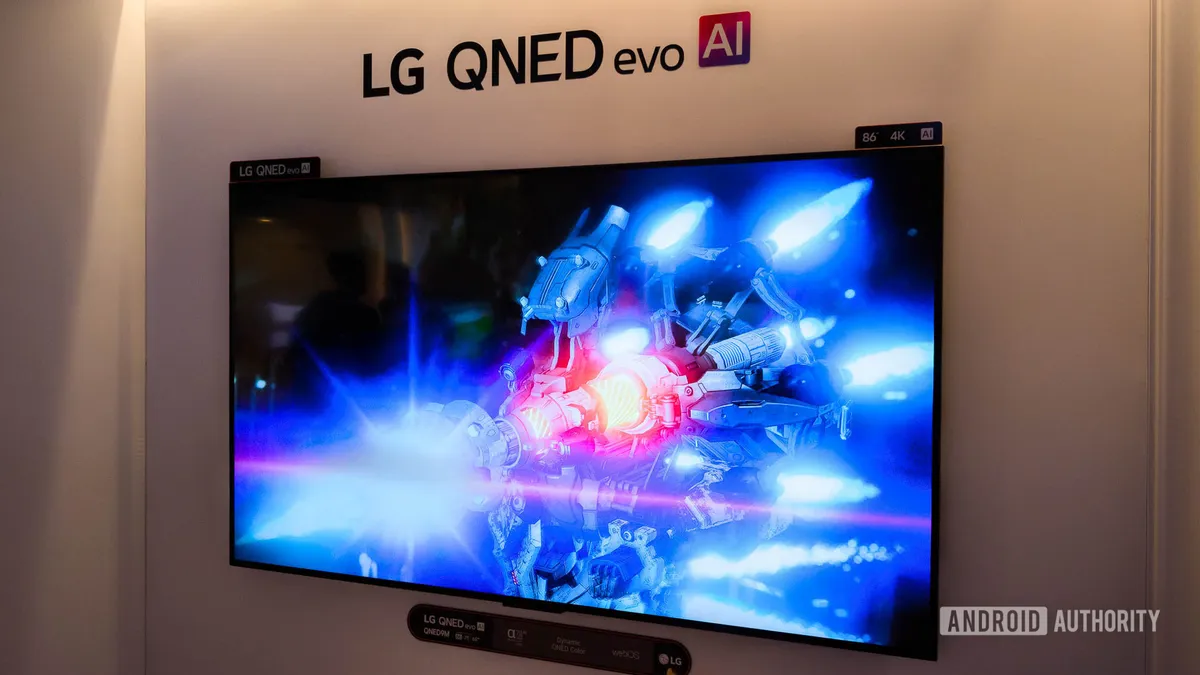
LG's involvement in television manufacturing dates back to 1966, when its predecessor, GoldStar, introduced Korea's first monochrome television. Over the subsequent decades, LG evolved into a leading global brand, renowned for its innovations in display technology, including pioneering OLED and QNED technologies. The potential cessation of its TV production would signify the end of an era, closing a chapter that has defined a significant portion of the company's history and technological output. This potential exit mirrors LG's earlier strategic pivot in 2021, where it ceased its loss-making mobile communications business to redirect resources towards more lucrative sectors such as electric vehicle components, smart home solutions, and robotics.
The discussions with Hisense, a rapidly growing force in the global TV market, are particularly noteworthy. Hisense has consistently ranked among the top global TV brands in terms of shipments, challenging the dominance of established Korean and Japanese manufacturers. A potential acquisition by Hisense could consolidate its market position further, while LG might seek to focus its resources on other high-growth areas. The report suggests that even if LG were to exit TV manufacturing, it might retain involvement in related software and platform development, potentially continuing to license its webOS operating system for various display applications, including automotive systems and smart home devices.
Market Dynamics and Competitive Landscape
The television industry has witnessed a significant shift in market share over the past few years. Omdia, a market research firm, reported that TCL and Hisense commanded global TV shipment shares of approximately 14% and 12.5%, respectively. This surge in market presence by Chinese manufacturers has reshaped the competitive hierarchy, forcing legacy players to reassess their strategies. The aggressive pricing and improving quality offered by these brands have made them formidable competitors, particularly in emerging markets, and increasingly in developed ones as well.
Furthermore, the profitability challenges in the TV sector are compounded by the high costs associated with research and development for next-generation display technologies. Brands are constantly investing in advancements to stay relevant, from higher refresh rates and resolutions to improved color accuracy and panel efficiency. For companies like LG, which have invested heavily in premium technologies like OLED, maintaining profitability requires significant market volume and premium pricing strategies that are increasingly difficult to sustain against lower-cost alternatives. 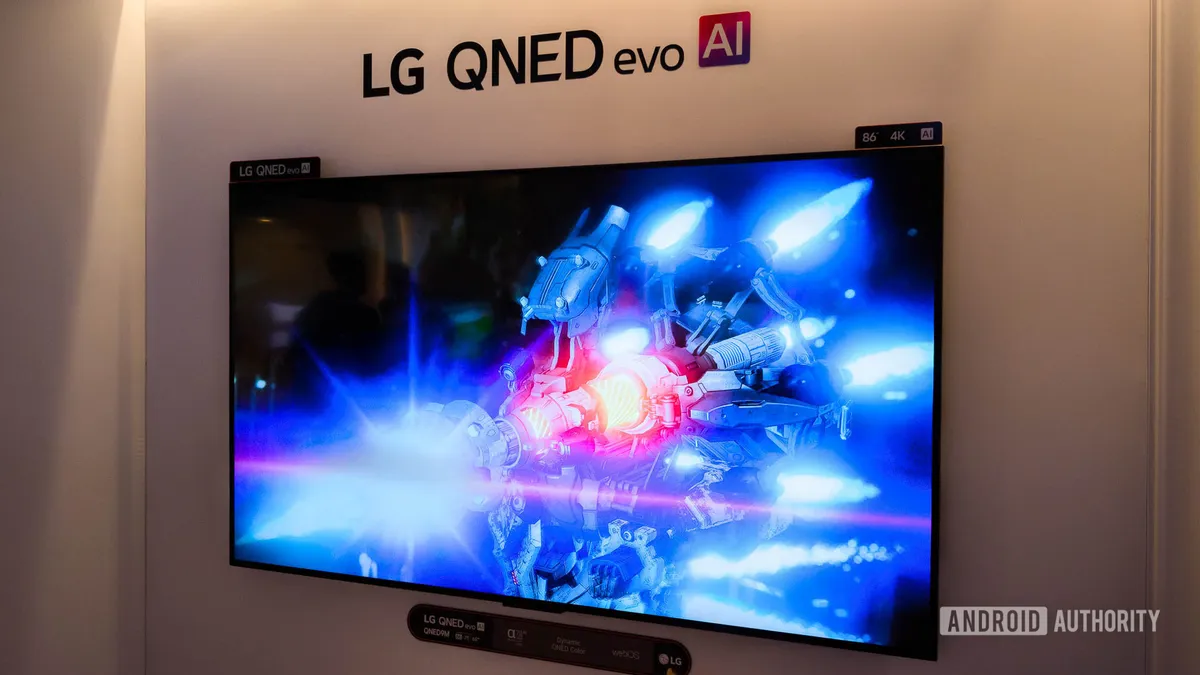
Potential Implications of a Sale
A sale of LG's TV business to Hisense would have profound implications for the global consumer electronics market. It would represent a major consolidation within the industry, potentially altering supply chains, research and development roadmaps, and market access for both companies. For consumers, it could lead to shifts in product availability, pricing strategies, and the distribution of technological advancements.
From LG's perspective, the divestiture would enable a more concentrated focus on its other burgeoning business units, such as home appliances, vehicle components, and artificial intelligence-driven solutions. This strategic realignment aims to bolster profitability and position the company for sustained growth in a rapidly evolving technological landscape. The success of its EV component division and its ongoing development in smart home technologies suggest a clear direction for LG's future investments and strategic priorities.
Impact Analysis
The potential exit of LG from TV manufacturing, a sector it has significantly shaped, signals a broader trend of strategic re-evaluation within the consumer electronics industry. As market dynamics shift and competitive pressures intensify, companies are increasingly prioritizing business units with demonstrable profitability and high growth potential. This move by LG, if it materializes, would underscore the need for established players to adapt to new market realities, potentially leading to further consolidation and a more defined specialization among global electronics manufacturers. The future landscape of television technology and manufacturing may well be shaped by this significant strategic realignment.