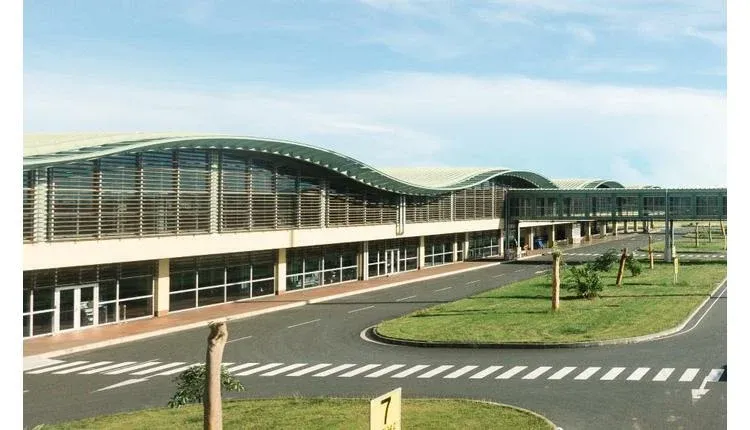
Bohol, an island province in the Philippines, is rapidly establishing itself as a leading destination for environmentally conscious travelers. This distinction is driven by its successful integration of natural attractions with robust sustainable tourism initiatives. The island's primary gateway, the Bohol-Panglao International Airport, stands as a beacon of this commitment, being the Philippines' first eco-airport. Its design incorporates advanced sustainable technologies such as solar power generation and efficient rainwater harvesting systems, significantly minimizing its environmental impact and setting a precedent for green infrastructure in the region. This proactive approach ensures that the island's unique heritage and rich biodiversity are preserved while welcoming visitors.
The island's geological uniqueness is famously represented by the Chocolate Hills, an iconic landscape comprising over 1,200 distinctly cone-shaped hills. These natural formations, sculpted over millennia from ancient coral deposits, offer a profound glimpse into Bohol's geological past. In recognition of its exceptional natural and geological significance, Bohol was designated as the Philippines' first UNESCO Global Geopark in 2023. This accolade further underscores the island's value as a destination that blends natural wonder with scientific and environmental importance, inviting visitors to explore its ancient geological narrative.
Bohol's Commitment to Environmental Stewardship and Biodiversity
Bohol's dedication to preserving its natural environment extends beyond its geological wonders. The Bilar Man-Made Forest, a sprawling expanse of mahogany trees, exemplifies the island's successful reforestation and conservation efforts. Initiated in the 1940s, this large-scale project has transformed a landscape previously suffering from degradation into a vibrant, dense forest. It stands as a powerful testament to the positive outcomes of organized conservation initiatives and community involvement in ecological restoration.
The coastal waters surrounding Bohol are equally remarkable, hosting the Danajon Double Barrier Reef. This rare marine ecosystem, one of only six of its kind globally, is a critical habitat for a vast array of marine life. It is a central focus for ongoing conservation projects and the development of sustainable ecotourism activities. Additionally, Pamilacan Island has transitioned from its history of whale hunting to a model of community-based dolphin and whale watching. This shift not only promotes vital marine conservation but also establishes sustainable livelihoods for the local population, demonstrating a successful model of coexisting tourism and conservation.
Sustainable Infrastructure and Tourism Development
The integration of sustainable practices is evident across Bohol's tourism infrastructure. The Bohol-Panglao International Airport's commitment to renewable energy and water conservation sets a high standard for the region's development. This approach influences other tourism-related enterprises to adopt similar eco-friendly operational models.
Furthermore, the designation of Bohol as a UNESCO Global Geopark encourages responsible tourism practices that prioritize the protection of its unique geological and natural heritage. Visitors are increasingly seeking destinations that offer authentic experiences while adhering to ethical and sustainable standards. Bohol's strategic focus on eco-tourism ensures that these traveler demands are met, providing opportunities to explore its natural beauty and cultural richness responsibly.
Community Engagement in Conservation
Successful eco-tourism in Bohol is deeply intertwined with community engagement. Initiatives like those on Pamilacan Island highlight how local communities can become stewards of their natural resources. By participating in and benefiting from sustainable tourism, residents are motivated to protect the marine life and ecosystems that attract visitors.
The ongoing efforts in reforestation, like the Bilar Man-Made Forest, also underscore the importance of long-term environmental planning and community participation. These projects not only enhance the natural beauty of the island but also contribute to climate change mitigation and biodiversity preservation. Bohol's model serves as an inspiring example of how tourism can be a force for positive environmental and social change.
Future Outlook for Bohol's Eco-Tourism
Bohol's commitment to eco-tourism positions it favorably for sustained growth in the global travel market. As awareness of environmental issues increases among travelers, destinations like Bohol, which prioritize sustainability, are likely to see continued demand. The island's blend of natural wonders, cultural heritage, and forward-thinking environmental policies creates a compelling and responsible travel experience.
The continued development of eco-friendly infrastructure and the expansion of community-based conservation programs will be crucial for Bohol's future success. By maintaining its focus on preserving its unique natural and cultural assets, Bohol is set to remain a premier eco-tourism destination, offering visitors meaningful experiences that contribute to the well-being of the island and its inhabitants for generations to come.