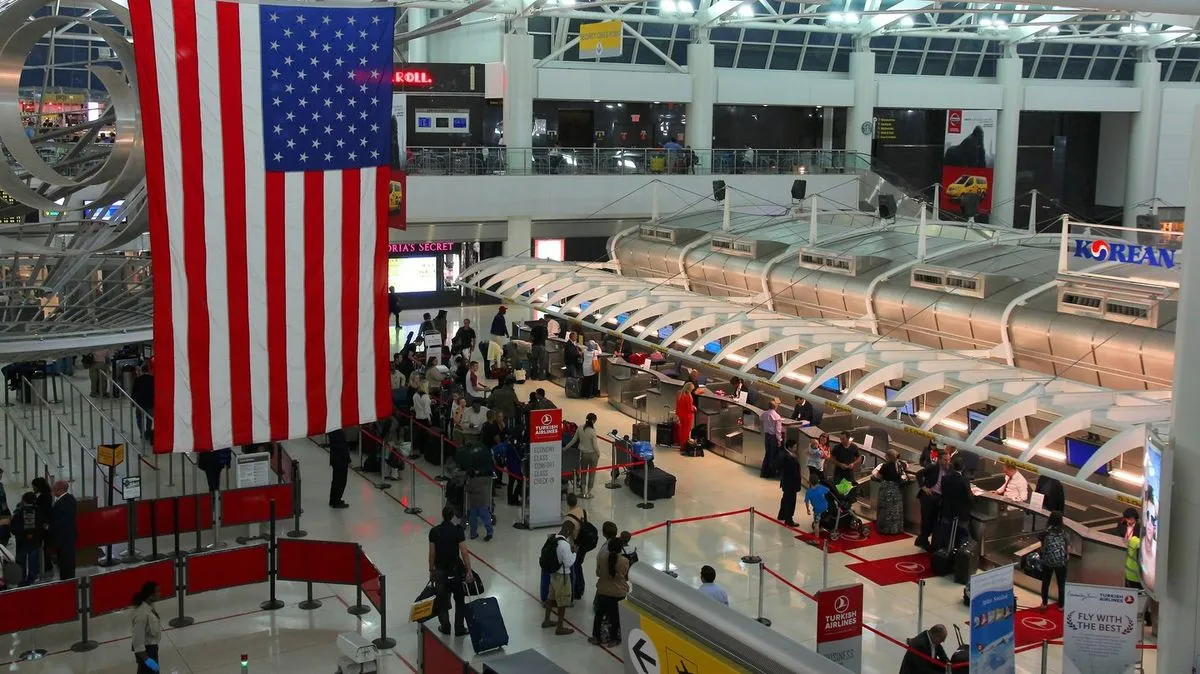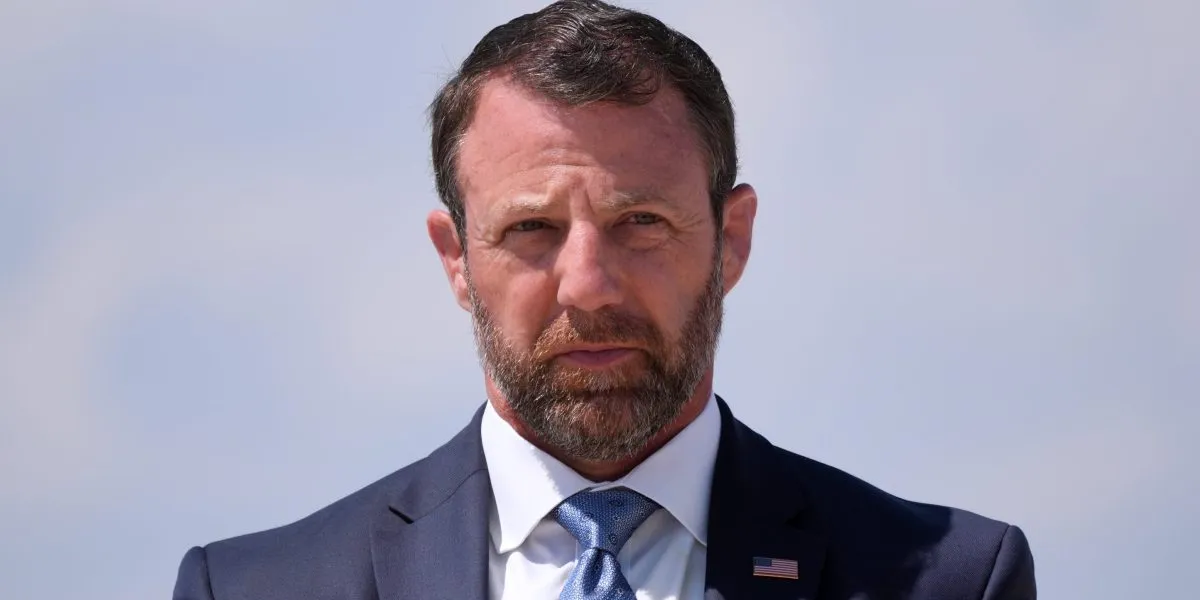
A significant ripple of concern is spreading through the travel industry following Homeland Security Secretary Markwayne Mullin's reiterated threat to withdraw U.S. Customs and Border Protection (CBP) officers from airports located in cities with "sanctuary" policies. This potential action carries the considerable risk of disrupting or even halting international flights, a move that has drawn swift condemnation from industry leaders and even some government officials.
The U.S. Travel Association confirmed that Secretary Mullin discussed this drastic measure during a recent meeting where the group was articulating its opposition to other proposed policies by the administration that could negatively impact travel. Both the U.S. Travel Association and major airline carriers have strongly opposed the idea, with Transportation Secretary Sean Duffy expressing skepticism about its practical application and advisability. The prospect of such a withdrawal has cast a shadow over the future of international connectivity through key American airports.
Potential Ramifications for International Air Travel
The U.S. Travel Association issued a stark warning, stating that such a withdrawal "would have devastating consequences for the travel industry and communities that depend on international visitation." This sentiment underscores the critical role CBP officers play in facilitating seamless international arrivals, processing millions of passengers and vital cargo annually. Removing these essential personnel could lead to widespread flight cancellations, severe delays, and a significant economic downturn for cities reliant on tourism and international business.
Details emerging from the meeting, first reported by The Atlantic, suggest a strategy aimed at pressuring cities with sanctuary policies, which generally involve limited cooperation with Immigration and Customs Enforcement (ICE). However, the industry argues that using international air travel as leverage is a misguided approach. Airlines for America, another prominent trade group, echoed these concerns, stating that "Reducing CBP staffing at major airports would have a devastating effect on the airline and tourism industries, causing a significant operational disruption to carriers, travelers and the flow of international cargo."
Navigating the Political and Legal Landscape
Transportation Secretary Sean Duffy, when questioned about the proposal in a Congressional hearing, indicated he was not fully briefed on Secretary Mullin's remarks and sought further clarification. Nevertheless, Duffy articulated a principle against restricting travel based on political stances, noting the fluid nature of political power. "We have people from around the world and around the country that need to be able to fly into all different kinds of places. We shouldn’t shut down air travel in a state that doesn’t agree with our politics," Duffy commented, highlighting the potential for retaliatory actions and the broader implications for diplomatic and economic relations.
The administration's consideration of this move echoes past efforts by President Donald Trump to withhold federal funding from sanctuary cities, a policy that faced legal challenges. Courts have previously struck down attempts to cut funding to such jurisdictions, establishing legal precedents that may complicate the current proposal. The effectiveness and legality of using CBP staffing as a punitive measure remain uncertain, particularly given these past judicial rulings and the broad definition of "sanctuary policies."
Identifying Potential Targets and Industry Response
While the specific cities and airports Secretary Mullin might target remain unclear, the Department of Justice previously identified a list of approximately three dozen states, cities, and counties considered sanctuary jurisdictions. This list provides a potential roadmap for where such a disruption could occur, impacting major international gateways. The airline industry's unified opposition signals a potential for significant lobbying efforts and legal challenges should the threat materialize into concrete action.
The reaction from the travel and airline sectors has been immediate and forceful, emphasizing the interconnectedness of global travel and economic stability. The potential disruption extends beyond passenger travel to include the crucial flow of international cargo, which is vital for numerous supply chains. This situation highlights a critical juncture where policy decisions carry substantial weight for national and international commerce, and the industry is poised to defend against measures they deem detrimental to its viability.
Impact Analysis
The potential withdrawal of CBP officers from airports in sanctuary cities represents a high-stakes maneuver with far-reaching economic and diplomatic implications. Beyond the immediate operational chaos at affected airports, the move could significantly damage the United States' reputation as an accessible and welcoming destination for international travelers and businesses. This could lead to a sustained decline in tourism revenue, reduced foreign investment, and strained international relations, particularly if other nations reciprocate with travel restrictions or sanctions. The administration's pursuit of this policy, despite strong industry opposition and potential legal hurdles, signals a willingness to employ aggressive tactics in its immigration enforcement agenda, potentially prioritizing political messaging over established economic and logistical considerations.