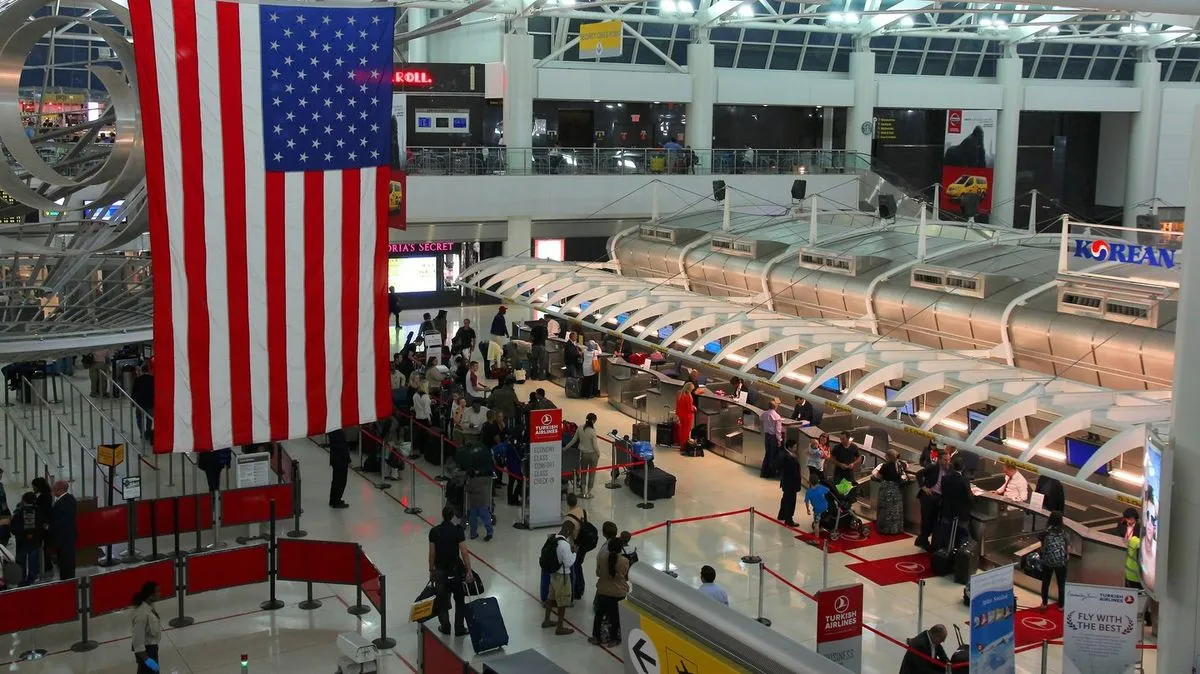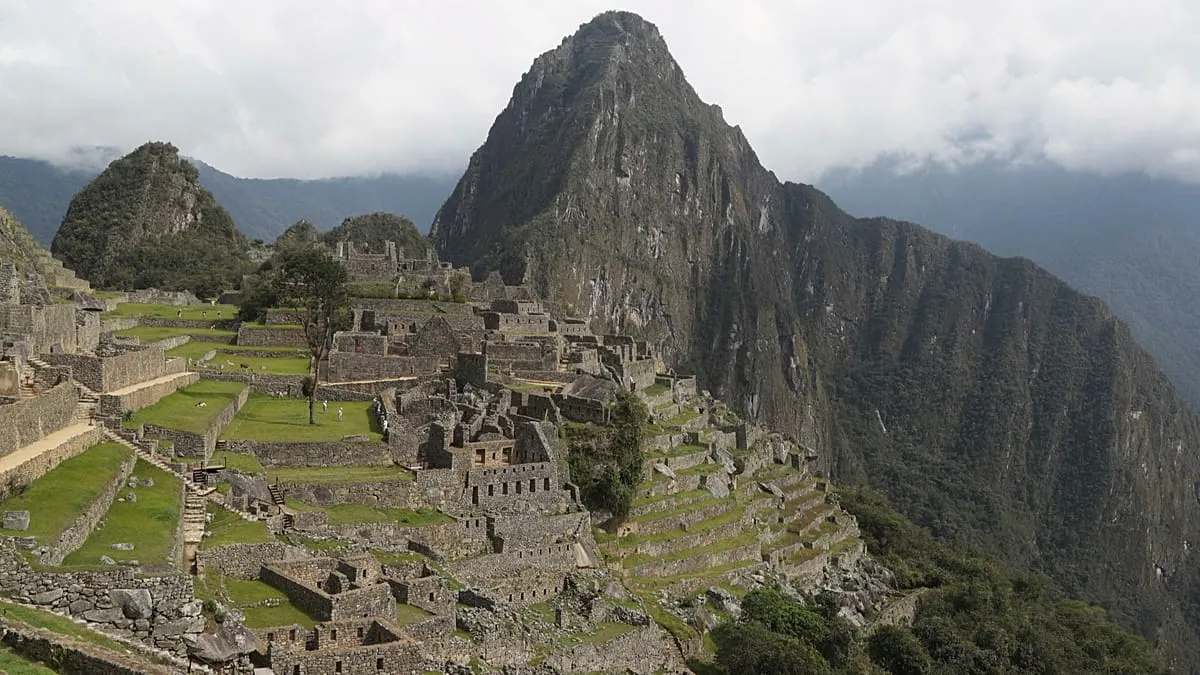
Machu Picchu, a UNESCO World Heritage Site and one of the New Seven Wonders of the World, is grappling with significant overtourism challenges. Visitors are experiencing severe overcrowding, extensive queues, and unreliable transportation, turning what should be a dream experience into a frustrating ordeal. The acclaimed 15th-century Inca citadel in Peru, a perennial fixture on global travel bucket lists, is now at a critical juncture where its visitor experience and potentially its heritage status are under threat.
The New7Wonders foundation, which bestowed the 'Wonder of the World' title upon Machu Picchu in 2007, has formally offered its collaboration with Peruvian authorities to address the deteriorating conditions. This intervention follows a stark warning issued by the foundation in September of the previous year, highlighting the risk to the site's designation due to persistent visitor management issues. The foundation's director, Jean Paul De la Fuente, expressed disappointment over the lack of tangible progress, citing Peru's ongoing political instability as a contributing factor to the site's mismanagement.
Addressing the Overtourism Dilemma at Machu Picchu
Jean Paul De la Fuente has been actively engaged in discussions with Peruvian tourism officials. He stated his readiness to engage with the incoming administration following the upcoming presidential runoff election to collaboratively seek resolutions for the subpar services and infrastructure plaguing Machu Picchu. The political landscape in Peru, marked by frequent leadership changes, adds a layer of complexity to implementing long-term solutions for heritage sites. The upcoming election, a runoff between Keiko Fujimori and Roberto Sanchez, will determine the next government tasked with tackling these pressing issues.
De la Fuente articulated the stark reality for many tourists: "People travel to Machu Picchu thinking that they will visit a marvel of the world. But for many, that dream is turning into a nightmare." This sentiment underscores the growing gap between visitor expectations and the on-the-ground experience. Despite its designation as a UNESCO World Heritage Site in 1983 and its popularity surge after the 2007 New7Wonders poll, the site's management has struggled to keep pace with the exponential growth in tourism.
The Foundation's Proposed Solutions and Future Outlook
While De la Fuente emphasized that the New7Wonders foundation is not currently considering revoking Machu Picchu's 'Wonder of the World' status, he strongly advocates for the Peruvian government to consider a comprehensive improvement plan. The foundation aims to work with new leadership to transform Machu Picchu into a benchmark for heritage site management globally. This proactive approach seeks to move beyond the current negative situation and establish a model for sustainable tourism and preservation that other world wonders can emulate.
The foundation's plan focuses on enhancing visitor experience through better management of visitor flow, improved transportation logistics, and addressing infrastructure deficiencies. By offering expertise and a framework for improvement, the New7Wonders foundation hopes to partner with Peruvian authorities to restore Machu Picchu's reputation as an unparalleled travel destination. The success of these initiatives will hinge on the political will and administrative capacity of the incoming Peruvian government to implement necessary reforms and investments.
Historical Context and Heritage Designation
Machu Picchu's significance extends beyond its status as a tourist hotspot. Its designation as a UNESCO World Heritage Site in 1983 recognized its outstanding universal value, encompassing both cultural and natural significance. The architectural and engineering brilliance of the Inca civilization, showcased in the citadel's construction and integration with the dramatic Andean landscape, are key elements of its heritage. The site provides invaluable insights into the Inca Empire's social, economic, and religious practices.
The exponential increase in tourism since its inclusion in the New7Wonders list has put immense pressure on the delicate balance between accessibility and preservation. The foundation's offer to collaborate stems from a desire to ensure that the very qualities that led to its heritage recognition are protected for future generations. Addressing overtourism is not merely about improving visitor satisfaction but is fundamentally about safeguarding a crucial piece of human history and architectural ingenuity from irreversible damage.