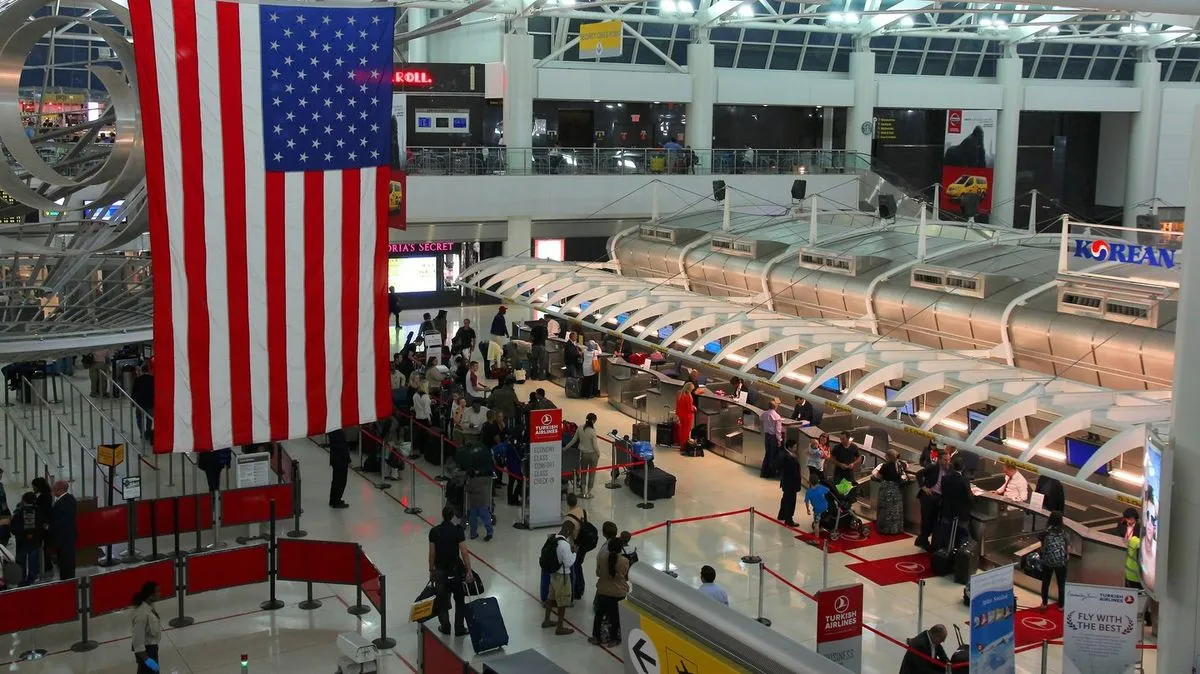
The global travel landscape is continuously evolving, with significant developments impacting both airlines and hospitality sectors. Recent news highlights a concerning trend of American Airlines suspending user accounts, a subtle but impactful change in Hyatt's award chart, and a substantial economic initiative by Dubai to bolster its tourism industry. These events, while disparate, collectively underscore the dynamic nature of travel operations and their responsiveness to market conditions and user behavior.
Understanding these shifts is crucial for frequent travelers and industry observers alike. The proactive, and at times aggressive, measures taken by airlines to manage their loyalty programs and user accounts can have direct consequences on traveler benefits and redemption opportunities. Similarly, adjustments in hotel loyalty programs, even those appearing minor, can influence booking strategies. Furthermore, government interventions to support tourism sectors, especially in major hubs like Dubai, indicate a strategic focus on economic recovery and growth within the travel and hospitality domain.
Key Developments in the Travel Sector
American Airlines has reportedly been engaging in a wave of account suspensions, impacting users who may have violated the airline's contract of carriage or loyalty program terms. This action, sometimes referred to as the 'Toby shutdown,' appears to extend to recreated accounts, suggesting a more robust effort by the airline to police its customer base and manage its loyalty program, AAdvantage. While the specifics of each case vary, the underlying theme is the enforcement of rules, which can lead to the forfeiture of miles and program status for affected individuals. The airline's rationale typically revolves around preventing fraud, abuse, or activities that undermine the integrity of the loyalty program.
The implications of such account suspensions are significant for travelers who rely on accumulating and redeeming miles. It serves as a stark reminder of the importance of adhering to airline policies and understanding the terms and conditions of frequent flyer programs. Travelers are advised to review their account activity and ensure compliance with all rules to avoid potential account closure and loss of accrued benefits. The airline's stance underscores the proprietary nature of loyalty program currencies and the airline's ultimate authority in managing them.
Unannounced Hyatt Regency Category Adjustment
In a development that has drawn attention within the points and miles community, the Hyatt Regency Schloss Roxburghe in Scotland has been quietly reclassified to Category 5 in the World of Hyatt award chart. This change, which seemingly occurred without the typical announcement fanfare associated with program updates, reduces the value proposition for travelers using Category 1-4 free night certificates. The shift means that stays at this property will now require 20,000 points per night, up from the previous rate, which would have been covered by a standard free night award.
This unannounced adjustment highlights a common, albeit sometimes frustrating, aspect of hotel loyalty programs: the dynamic nature of award category placements. While Hyatt is generally praised for its program value, such discrete changes can affect traveler planning, particularly for those who strategically save certificates for specific redemptions. The move is particularly notable as it affects a European property, potentially impacting international travelers looking to utilize their benefits. It also means fewer options for using certain free night awards, as Category 5 hotels are a step up from the more accessible lower categories.
Dubai's Substantial Tourism Relief Package
Dubai has announced a significant economic stimulus package totaling AED 1.5 billion (approximately $400 million USD) aimed at revitalizing its crucial tourism and hospitality sectors. A key component of this initiative includes the suspension of hotel and restaurant taxes, a move designed to attract more visitors and encourage spending within the emirate. This financial injection comes at a time when global tourism is experiencing a complex recovery, with some regions facing lower occupancy rates than anticipated.
The decision to waive taxes is a direct incentive for both international and domestic travelers, making Dubai a more attractive and potentially more affordable destination. The timing of this package suggests a strategic effort by Dubai's government to maintain its position as a leading global tourism hub. By reducing the financial burden on businesses and consumers within the sector, Dubai aims to stimulate demand, boost occupancy rates, and support the broader economic ecosystem that relies heavily on tourism revenue. This initiative reflects a proactive approach to economic management in the face of fluctuating global travel trends.
Impact Analysis
The confluence of these events paints a nuanced picture of the current travel industry. American Airlines' stringent account management, while potentially unpopular with some users, reflects a broader industry trend toward tighter control over loyalty programs to ensure financial sustainability and prevent exploitation. The Hyatt category change, though seemingly minor, underscores the need for travelers to remain vigilant about program updates and their potential impact on award redemptions. Finally, Dubai's substantial stimulus package demonstrates the critical role of government support in navigating economic challenges within the tourism sector and signals a strong commitment to its recovery and future growth. These developments collectively suggest a period of recalibration and strategic adaptation across various facets of the travel industry.