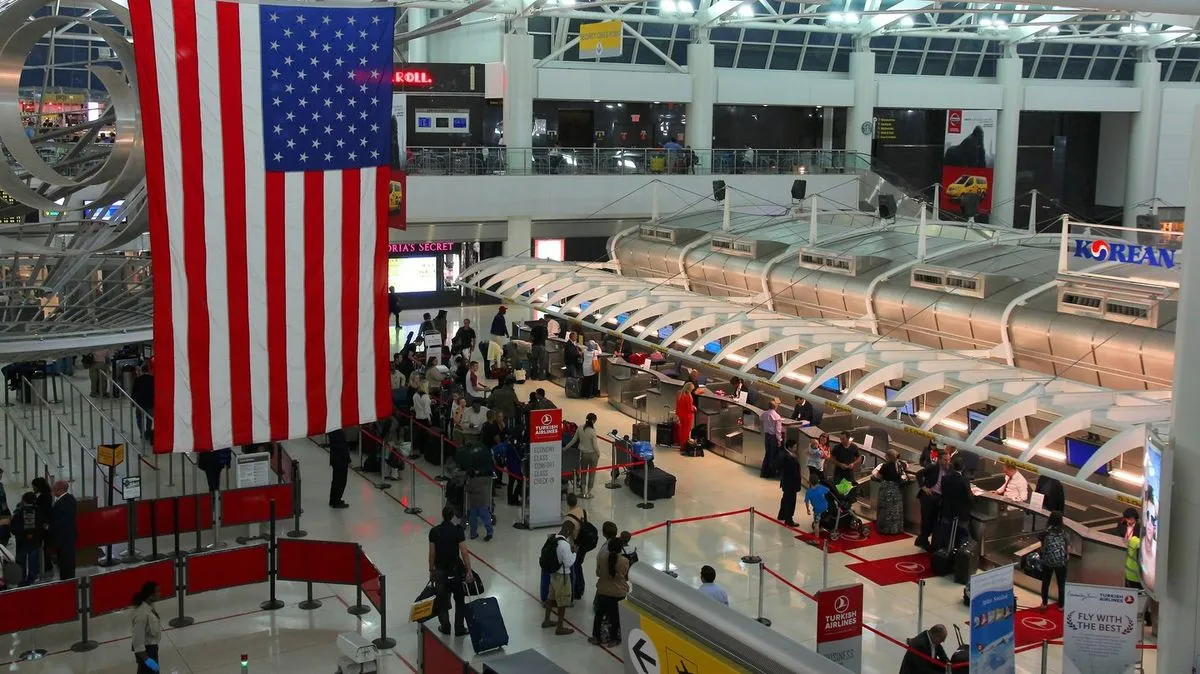
International travel experienced a significant surge in 2025, with an additional eighty million individuals embarking on global journeys compared to the previous year. However, this wave of tourism did not translate into increased visits to the United States. A comprehensive analysis by CNN reveals a concerning downturn for US tourism, marked by a deficit of approximately 4 million international visitors and a consequential loss of $14 billion in tourism revenue, representing a 5.5% decrease.
Several key nations contributed to this decline. Canada, in particular, saw a substantial drop of over 20% in official figures, with mobile tracking data indicating an even steeper fall of about 42% in Canadian visits to major American cities. Other significant contributors to the decrease include Germany, down 11.3%, followed by India, France, Australia, Chile, and China. This trend has led to a reassessment of the US's global tourism appeal, with experts suggesting a notable erosion of its previously aspirational image.
Analysis of International Visitor Trends
Impact of Policy and Perception on Travel Decisions
The shift in international travel patterns is closely linked to perceptions influenced by recent US policies and political rhetoric. A survey conducted by Skift indicated that a considerable percentage of travelers, specifically 46%, expressed reduced likelihood of visiting the US, directly citing the influence of former President Trump. Anecdotal evidence, such as a German tourist's extensive detention, including time in solitary confinement, and proposed stringent social media data demands for visa-waiver travelers, have amplified these concerns.
Furthermore, specific trade policies have alienated key source markets. Canada, a traditionally strong visitor demographic, was particularly affected. The implementation of steel and aluminum levies by the Trump administration reportedly contributed to a 17% decrease in Canadian visitors to popular destinations like Las Vegas. This highlights a direct correlation between geopolitical and trade actions and their tangible impact on the tourism sector.
Economic Ramifications and Event-Driven Tourism
The upcoming World Cup, hosted across eleven American cities, was anticipated to be a significant draw, projected to attract 1.24 million international visitors, each with an estimated spending of $5,000—nearly double the average tourist expenditure. However, even this major event is facing downgraded projections. Analysts are revising expectations downward, and preliminary signs suggest that the hospitality industry is already reacting, with hotels beginning to adjust room rates in anticipation of potentially lower-than-expected international attendance.
The drop in overall international visitor numbers poses a considerable challenge to various sectors dependent on tourism, from hospitality and retail to transportation and entertainment. The lost revenue not only affects individual businesses but also has broader implications for local and national economies that rely on the spending power of global travelers. The softening of demand necessitates a strategic re-evaluation of how the US markets itself to international audiences.
Rebuilding Trust and Attracting Future Visitors
Addressing the decline in tourism requires a multifaceted approach that focuses on rebuilding trust and enhancing the welcoming image of the United States. Strategies may include reconsidering and refining entry policies to be perceived as less cumbersome, while still maintaining security. Communicating a consistent and positive narrative about the US as a destination is crucial, countering negative perceptions that may have taken root.
The tourism industry, alongside government agencies, must collaborate to identify and address the specific concerns of potential visitors from key markets. Understanding the evolving preferences and expectations of international travelers in a post-pandemic world, coupled with a renewed focus on accessible and appealing travel experiences, will be vital for long-term recovery and growth in the competitive global tourism landscape.
Impact Analysis
The significant contraction in US international tourism reflects a complex interplay of geopolitical factors, policy decisions, and shifting global perceptions. This downturn has tangible economic consequences, impacting revenue streams, job markets, and the profitability of businesses reliant on foreign visitors. Beyond the immediate financial losses, the decline signals a potential long-term challenge in restoring the US's reputation as a premier global destination. Adapting to new traveler priorities and perceptions will be critical for the industry's resilience and future success.