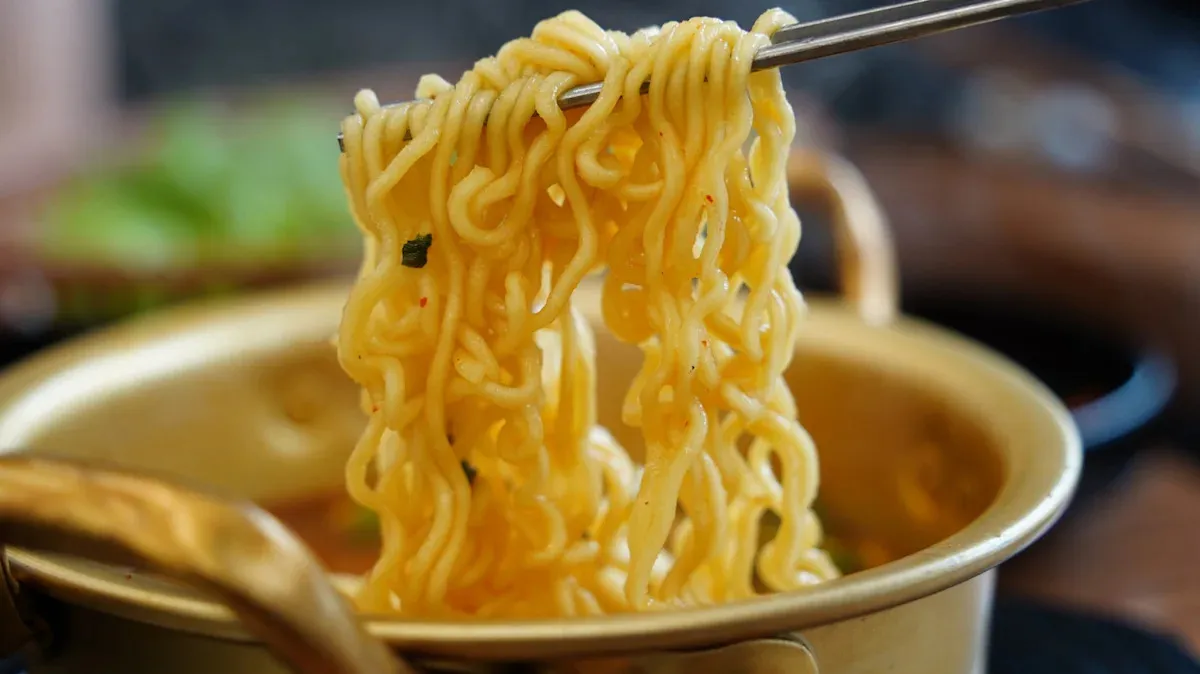
Instant ramen is a pantry staple renowned for its long shelf life, making it a reliable option for quick meals or emergency snacks. However, like all food products, it does not last indefinitely and can become unsafe for consumption. Dr. Kezia Joy, a registered dietitian nutritionist and medical advisor for Welzo, provides essential insights into determining when instant ramen has surpassed its prime.
Understanding "best-by" dates is crucial. These dates are primarily indicators of peak quality, not strict safety expiration timelines. According to Dr. Joy, as long as the packaging remains sealed and the product has been stored correctly, many brands consider their instant ramen safe to eat even beyond the printed date. Proper storage is key to maintaining its integrity and safety.
Assessing Instant Ramen for Spoilage
While instant ramen is designed to be shelf-stable, vigilance is required to ensure it hasn't deteriorated. Several external cues and sensory indicators can signal that a package of instant ramen is no longer fit for consumption. Heeding these signs is vital to prevent foodborne illnesses and ensure that this convenient comfort food remains a safe option.
Dr. Joy emphasizes that consumers should immediately dispose of any instant ramen that exhibits signs of compromised packaging. This includes containers that are swollen, torn, wet, or show any evidence of insect activity or mold infestation. Swollen packaging, in particular, can be a concerning indicator, potentially signifying either increased internal pressure or, more worryingly, bacterial contamination, rendering the product unsafe.
Recognizing Unsafe Indicators
Beyond visible damage to the packaging, sensory clues play a significant role in identifying spoiled instant ramen. Unusual odors, the presence of oily residue within the package, or any clumping in the noodles or seasoning pouches are strong indicators of spoilage. Dr. Joy advises that if there is any suspicion about the ramen's condition, it is always safer to discard it rather than risk contracting food poisoning.
She further advises that all shelf-stable products warrant inspection before consumption, particularly those whose appearance suggests they have remained edible for an extended period beyond their printed best-by date. This diligent approach to food inspection helps mitigate risks associated with consuming subpar or contaminated food items.
The Role of Packaging Integrity
The integrity of the instant ramen's packaging is a primary indicator of its safety. Unlike items that might show subtle signs of spoilage, the packaging of instant ramen often provides the most immediate clues. Bloating in a sealed food container is a common concern, as it can occur due to either harmless internal pressure changes or the more serious proliferation of bacteria.
While some vacuum-sealed products might exhibit slight swelling that is not indicative of spoilage, the context of instant ramen requires careful consideration. Milk cartons, for example, are known to show visible bloating when they have spoiled. Therefore, any unusual distension or compromise to the ramen's packaging should be treated as a potential safety hazard, prompting its disposal.
Storage Recommendations for Longevity
To maximize the shelf life and maintain the quality of instant ramen, proper storage is paramount. It should be kept in a cool, dry place, away from direct sunlight and extreme temperatures. Ensuring the packaging remains intact and sealed is essential, as any breach can lead to moisture ingress or contamination, accelerating spoilage.
Consumers should regularly check their pantry for items that may have exceeded their best-by dates. While a slight margin is often permissible for quality, any signs of degradation in packaging or sensory indicators should override the perceived shelf life. A proactive approach to inspecting stored food items contributes significantly to food safety within the home.
Impact Analysis
The extended shelf life of instant ramen makes it a valuable commodity for food security and convenience. However, a lack of clear understanding regarding its expiration can lead to the consumption of spoiled products, posing public health risks. Educating consumers on the specific indicators of spoilage, beyond just the "best-by" date, is crucial for preventing foodborne illnesses. This information empowers individuals to make safer choices regarding their food consumption, particularly for long-storing pantry items. Promoting awareness of these signs ensures that the convenience of instant ramen does not come at the expense of health.