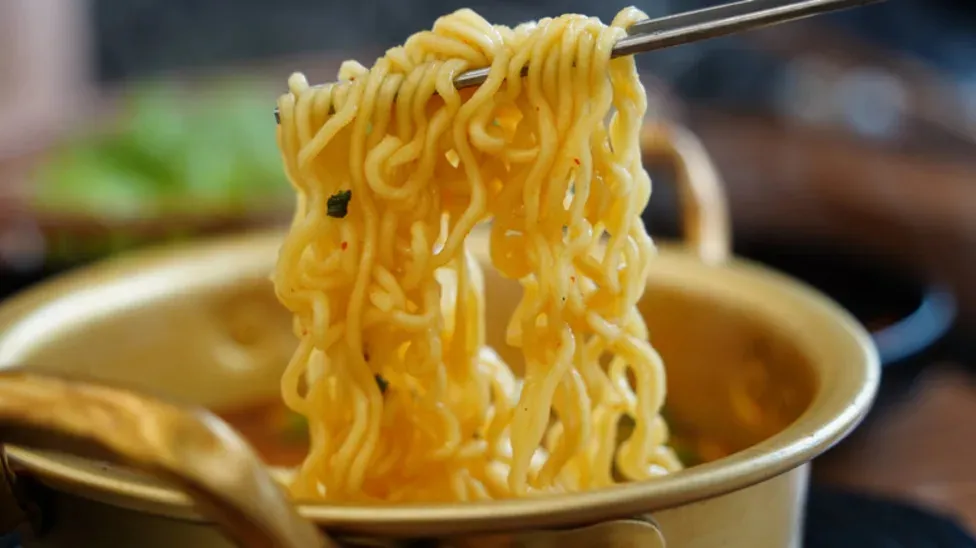
Instant ramen is a popular pantry staple, known for its remarkable shelf life. However, it's not immune to spoilage. Dr. Kezia Joy, a registered dietitian nutritionist, clarifies that "best-by" dates primarily refer to peak quality rather than safety. As long as the packaging is intact and stored correctly, many brands remain safe to consume past this date.
Key indicators that instant ramen has gone bad include swollen, torn, or wet packaging, which could signal bacterial contamination. Unusual odors, oily residue, or clumping of noodles or seasoning packets also point to spoilage. Dr. Joy stresses that if any doubt exists, it's always best to err on the side of caution and discard the product to avoid food poisoning. Inspecting all shelf-stable foods regularly is recommended.