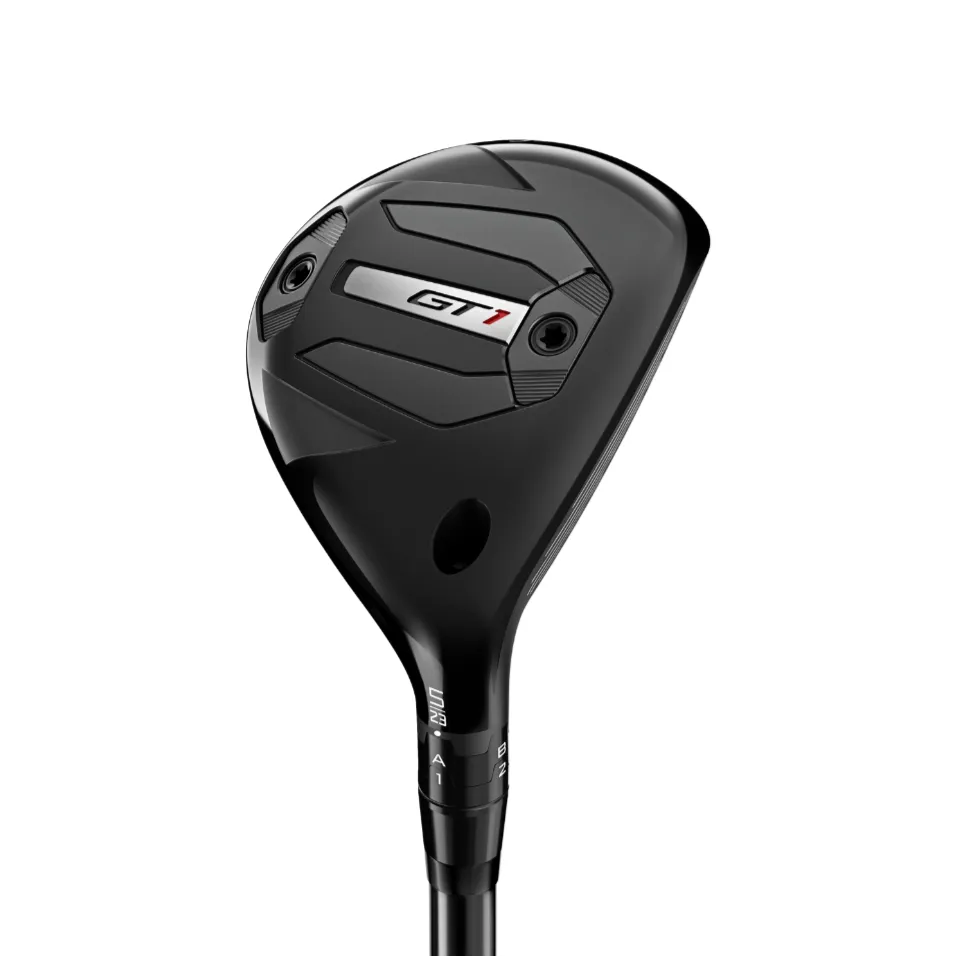
While professional golfers often showcase the latest, cutting-edge equipment, sometimes the most impactful gear emerges from unexpected corners of the market. The Titleist GT1 hybrid, initially noted for its adoption by PGA Tour players like Cameron Young and Tom Kim, presents a compelling case study in how a 'game-improvement' club can transcend its intended audience and offer significant benefits to a broader range of golfers. The initial buzz around this club stemmed from its adoption by top-tier professionals, a testament to its surprising versatility. However, its true value lies in its ability to bridge the gap between fairway woods and irons, offering a unique solution for golfers seeking consistency and control in a crucial part of their bag.
This exploration delves into the design, performance, and on-course application of the Titleist GT1 hybrid, moving beyond the tour narrative to assess its potential for everyday golfers. The club's oversized profile and sharp leading edge are designed to offer a blend of forgiveness and turf interaction, challenging conventional notions of what a hybrid can achieve. By examining its construction and how it compares to other offerings, we aim to understand why this particular club has garnered attention and how it might address common challenges faced by golfers struggling with their long game.
Understanding the Titleist GT1 Hybrid's Design Philosophy
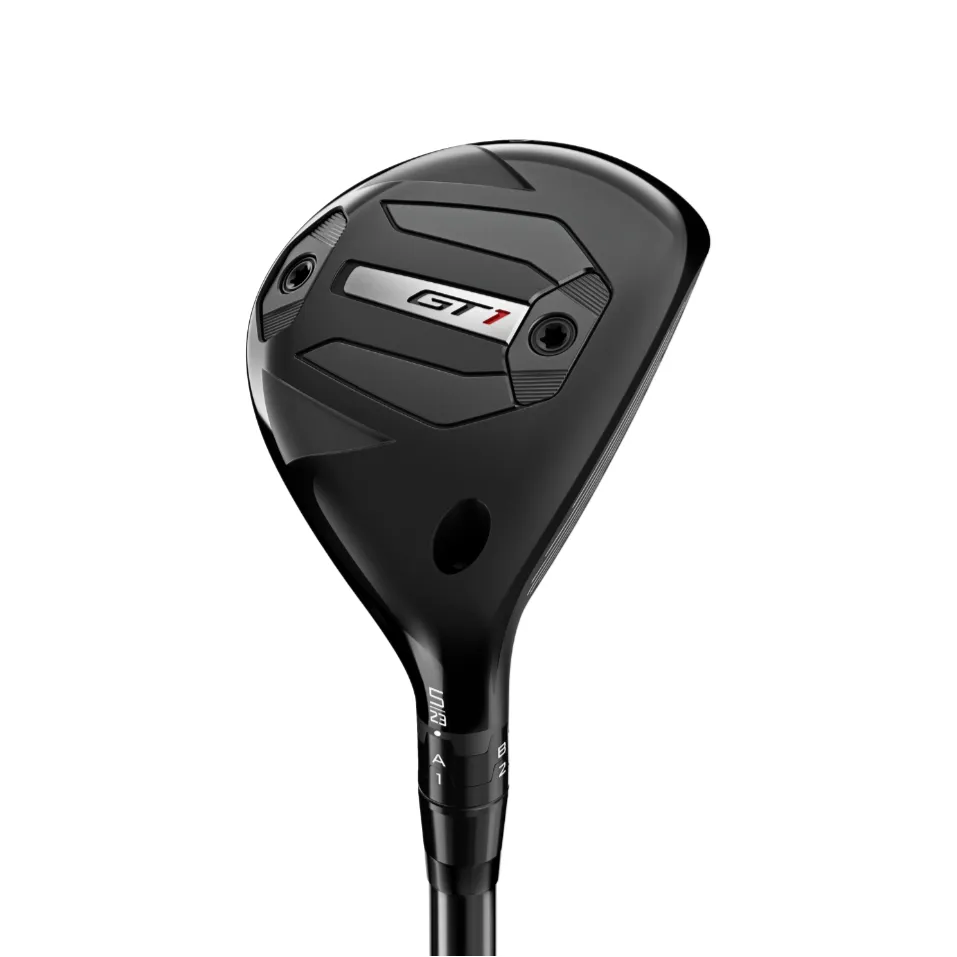
The GT1 hybrid, bearing the '1' designation in Titleist's metalwood family, historically signified a focus on ultra-lightweight construction and high launch characteristics, typically aimed at players with slower swing speeds. However, the recent iterations of the GT1 hybrid and its fairway wood counterpart have seen a departure from this singular focus, finding favor with professionals seeking adaptability. The hybrid itself boasts an oversized, confidence-inspiring profile that occupies a space between a traditional hybrid and a high-lofted fairway wood.
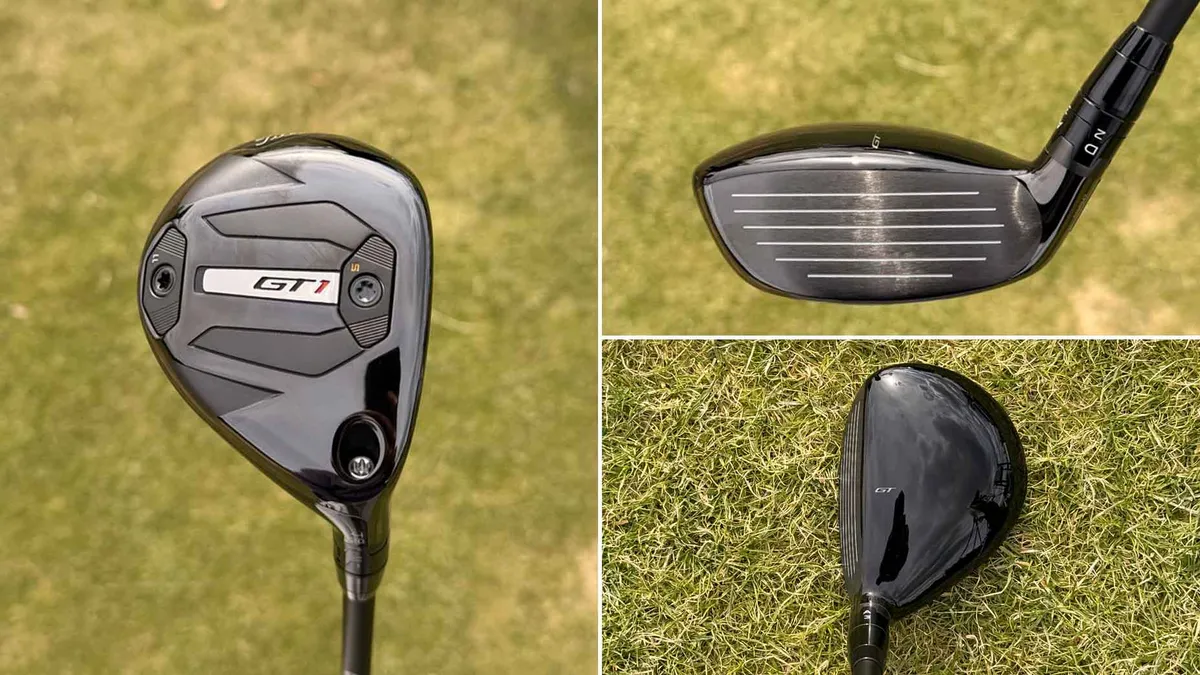
This unique sizing is a distinguishing feature in the market, with few clubs, such as the Callaway Apex UW, offering a comparable profile. A key element of the GT1's design is its sharp leading edge, engineered to promote superior turf interaction, allowing the club to cut through varying conditions with ease. This design characteristic is crucial for golfers who frequently use their hybrid from the fairway or light rough, where clean contact is paramount for optimal performance.
Adaptable Shaft and Construction for Diverse Needs
A particularly noteworthy aspect of the Titleist GT1 hybrid is its remarkable adaptability concerning shaft compatibility. It is engineered to accept both standard .370” diameter hybrid shafts and .335” fairway wood shafts. This dual compatibility is not merely a theoretical advantage; it allows for a highly personalized fitting experience, enabling golfers to fine-tune performance characteristics such as launch angle and swing weight.
The inclusion of a fairway wood shaft, as adopted by some tour professionals, is intended to provide enhanced launch characteristics due to the potentially softer tip profile of such shafts, leading to a more pronounced flight. When paired with a more standard hybrid shaft, the club maintains a more conventional swing weight and feel, catering to a wider spectrum of player preferences and abilities. This inherent flexibility underscores the GT1's positioning as a versatile tool rather than a niche product.
Bridging the Gap: Performance Expectations and Golfer Needs
Many golfers, myself included, have historically struggled to find a reliable hybrid that doesn't produce an undesirable leftward miss. For a period, a particular Ping G440 3-hybrid, equipped with a heavy Nippon Modus GOST shaft, offered a powerful and stable flight, consistently launching high and traveling approximately 240 yards. This shaft, characterized by its significant weight and stiffness, delivered the robust flight desired and initially mitigated the tendency for errant left shots.
However, performance can fluctuate, and this season saw a recurrence of the left-miss tendency, coupled with a noticeable drop in spin and excessive distance. These issues proved costly in competitive play, especially on courses where control and accuracy off the tee were critical. The dilemma of achieving long distances with a hybrid that sacrifices on-course accuracy highlighted the need for a more dependable solution, prompting a search for an alternative that could offer both distance and directional control.
The Titleist GT1 Hybrid's Impact on the Course
The true mettle of the Titleist GT1 hybrid was revealed during actual on-course play. Initially, the expectation was to employ it situationally, perhaps on firmer courses where a high trajectory would be necessary to hold greens, contrasting with the more mid-trajectory performance of a standard hybrid or the flatter flight of a 3-iron. This perspective, however, proved to be a narrow view of the club's capabilities.
The revelation came with the realization that the GT1's trajectory could be effectively flattened, even when playing into the wind. This adaptability transformed it from a situational club into a reliable option off the tee, mitigating concerns about ballooning shots or excessive distance. The ease with which its flight characteristics could be manipulated offered a new level of confidence and control in a critical part of the golf bag.

Turf Interaction and Versatility from Various Lies
The GT1 hybrid truly distinguished itself through its superior turf interaction, particularly from less-than-ideal lies. During a practice round for a tournament, faced with a 220-yard shot demanding precision into the wind and carrying over water to a green with minimal bailout area, the difference became stark. While a typical gamer hybrid struggled to make clean contact from a thin lie, the GT1 delivered a powerfully struck shot directly to the heart of the green, leaving a clean divot and finishing within 15 feet of the hole.
This demonstration of effortless, clean contact from challenging lies solidified the GT1's position. The ability to consistently achieve a flatter trajectory, combined with its forgiving nature, made it an indispensable tool. This newfound versatility translated directly into improved performance during competitive rounds, including crucial tee shots on tight holes that had previously caused significant pre-round anxiety, ultimately leading to better scoring opportunities like birdies.
Player Experience and Performance Metrics
During a fitting session at the Titleist Performance Institute with fitter Louis Raynard, the GT1 was compared against the new GTS3 7-wood and 5-wood. A key observation was the golfer's tendency to add loft at impact, which often leads to overly high, spin-laden shots with traditional woods. Hybrids, conversely, tend to produce a flatter flight, offering greater control.
The GT1 hybrid, configured with a 20-degree loft adjusted down to 19 degrees and flattened in lie angle, immediately demonstrated its advantage. It yielded 3 mph more ball speed compared to the existing gamer, achieved a 20-foot higher peak trajectory, and generated an additional 300 rpm of spin. The club’s ability to cut through turf effortlessly and launch with ease, producing a consistent high draw, made it the clear winner, outperforming even a turned-down GTS3 7-wood on a 5-wood shaft due to its superior ease and consistency, potentially aided by timing with the Ventus Blue HB shaft.
Final Assessment: A Game-Improvement Hybrid Worth Considering
The Titleist GT1 hybrid challenges the conventional perception of game-improvement clubs. Its capacity to seamlessly transition between high-launching, high-spinning shots suitable for holding greens and flatter, more controlled trajectories makes it exceptionally versatile. Even with its standard back-weighted configuration, adjustable to promote lower flight, the golfer found success without altering the weight settings, easily managing shots from approximately 130 feet down to a flattened 70 feet.
Furthermore, for golfers concerned about the common left miss, the GT1 hybrid offers a reassuring performance profile. The author even adjusted the lie angle from flat to standard to counteract an excessive draw tendency, indicating the club's responsiveness to adjustments. This personal experience suggests that the GT1 hybrid, often overlooked due to its classification, warrants serious consideration for any golfer seeking to enhance their long game with a forgiving, adaptable, and high-performing club.