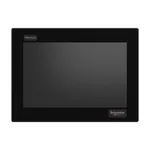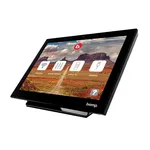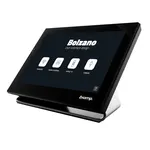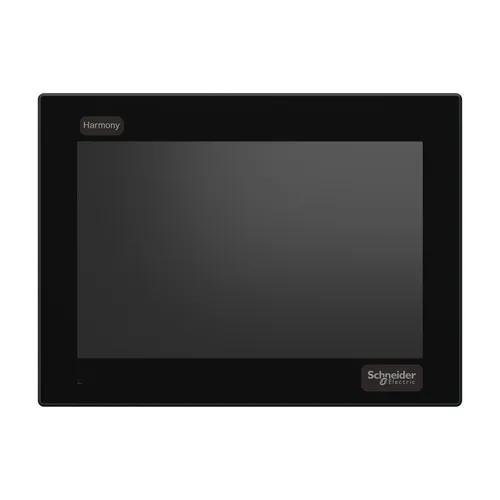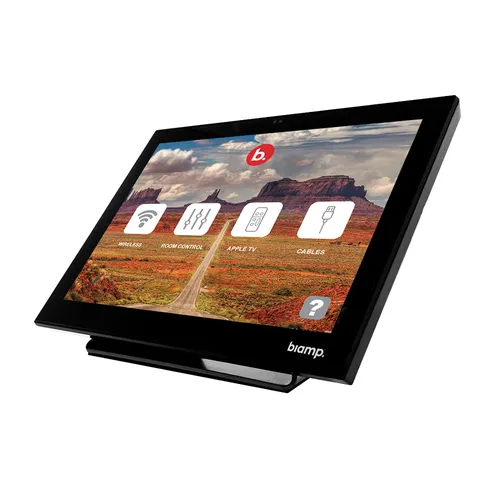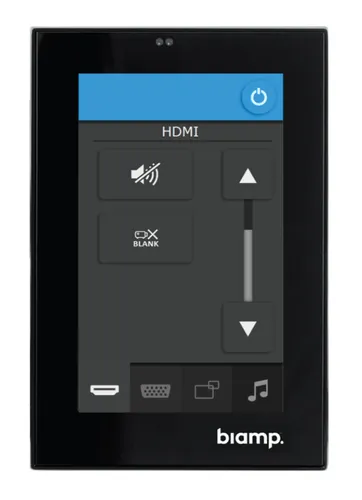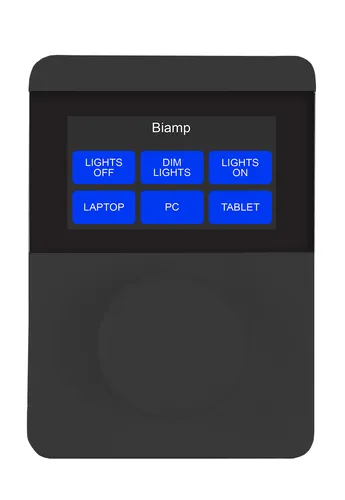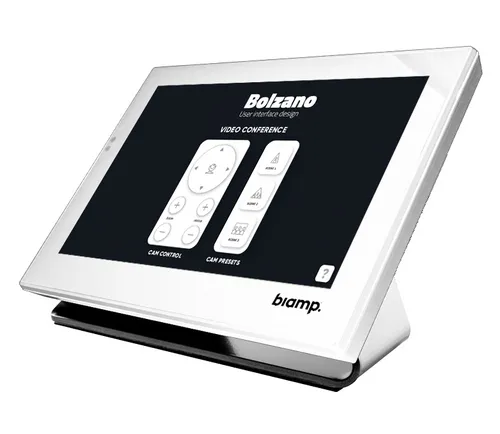


Biamp Apprimo Touch 7 Network Panel Interface (1024x595 Resolution)
Biamp Apprimo Touch 7 Network Panel Interface (1024x595 Resolution)
No stores registered at this time
Contact Us
Specifications
Performance
Performance
| Maximum resolution |
1024 x 595 pixels
|
|---|
Features
Features
| Product colour |
White, Grey
|
|---|
Ports & interfaces
Ports & interfaces
| Power over Ethernet (PoE) ports quantity |
1
|
|---|
Power
Power
| Power consumption (typical) |
15
W
94% better than others
|
|---|---|
| Power over Ethernet (PoE) |
Yes
70% have it
|
Certificates
Certificates
| Certification |
CE, RoHS
|
|---|
Operational conditions
Operational conditions
| Operating temperature (T-T) |
0 - 40 °C
|
|---|---|
| Operating relative humidity (H-H) |
10 - 90%
|
Weight & dimensions
Weight & dimensions
| Width |
180
mm
54% better than others
|
|---|---|
| Depth |
41
mm
89% better than others
|
| Height |
120
mm
28% better than others
|
| Weight |
330
g
89% better than others
|
Packaging data
Packaging data
| Package width |
279.9
mm
88% better than others
|
|---|---|
| Package depth |
240
mm
92% better than others
|
| Package height |
65
mm
32% better than others
|
| Package weight |
330
g
86% better than others
|
| Package type |
Box
|
Logistics data
Logistics data
| Country of origin |
China
|
|---|---|
| Export Control Classification Number (ECCN) |
EAR99
|
Disclaimer: Information on this page may need review. If you notice any discrepancies, please report them

The Biamp Apprimo Touch 7 represents a focused solution for network-based control and monitoring within professional audio-visual environments. As a dedicated network panel interface, its core functionality revolves around providing a streamlined touch-screen interaction point for managing AV systems. The 1024x595 resolution display offers sufficient clarity for displaying status information, control layouts, and system feedback, making it suitable for integration into conference rooms, lecture halls, or command centers where intuitive operation is paramount.
Biamp's Apprimo series emphasizes integration and ease of use, and this Touch 7 panel is no exception. Designed to interface with Biamp's broader ecosystem of audio processors and control systems, it aims to simplify complex AV configurations. Its network connectivity is key, allowing for flexible placement and integration without the need for extensive direct cabling to individual devices. This approach is particularly valuable in modern AV installations where scalability and adaptability are increasingly important. While not a standalone processing unit, its role as a user-facing control surface makes it a critical component for end-user interaction and system management.
Pros & Cons
Pros
What we love about this product
- High-Resolution Touchscreen: Features a 1024x595 resolution display, providing clear visuals for control interfaces and status monitoring.
- Network-Centric Design: Built for network integration, enabling flexible deployment and simplified system architecture.
- Dedicated Control Interface: Specifically engineered as a panel interface for managing AV systems, ensuring focused functionality.
- Biamp Ecosystem Compatibility: Designed to integrate seamlessly with other Biamp products for a cohesive AV control experience.
Cons
Points to consider before buying
- Limited Standalone Functionality: As a panel interface, it requires integration with a separate AV control processor or system to be fully functional.
- Resolution Specificity: The 1024x595 resolution, while adequate, may not be considered high-end compared to consumer-grade displays in the same size category.
- Proprietary Integration: Optimal performance and features are likely tied to the Biamp ecosystem, potentially limiting third-party integration flexibility.