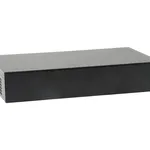
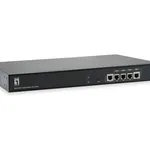
In the rapidly evolving landscape of enterprise networking, robust and scalable wireless management is paramount. The LevelOne GWC-2000 emerges as a compelling solution for businesses seeking centralized control over their Wi-Fi infrastructure. This Gigabit Wireless LAN Controller is engineered to streamline the deployment, configuration, and monitoring of multiple Access Points (APs), offering a unified platform that enhances network efficiency and security. Its design caters to environments demanding high performance and reliability, ensuring seamless connectivity for a growing number of devices.
The GWC-2000 is not merely a management device; it's a strategic asset for IT administrators. By consolidating control, it simplifies the complex task of managing a distributed wireless network. Key features such as support for a significant number of APs and advanced security protocols underscore its capability to handle demanding enterprise workloads. This review delves into the technical specifications of the LevelOne GWC-2000, evaluating its position within the market and its potential to empower organizations with superior wireless network management.
Core Functionality and Performance
At its heart, the LevelOne GWC-2000 is built for performance and manageability. It supports a substantial number of Access Points, allowing businesses to scale their wireless coverage without being hindered by controller limitations. The Gigabit Ethernet interface ensures high-speed data throughput between the controller and the network, preventing bottlenecks that could impact user experience. This is crucial for applications requiring high bandwidth, such as video conferencing, large file transfers, and VoIP services.
Advanced Management and Security
The true value of the GWC-2000 lies in its advanced management capabilities. It provides a single pane of glass for configuring SSIDs, security policies, and RF settings across all connected APs. This centralized approach drastically reduces the time and effort required for network administration. Furthermore, the controller incorporates robust security features, enabling administrators to implement strong authentication methods, manage client access, and monitor for potential threats, thereby safeguarding the corporate network against unauthorized access and cyberattacks.