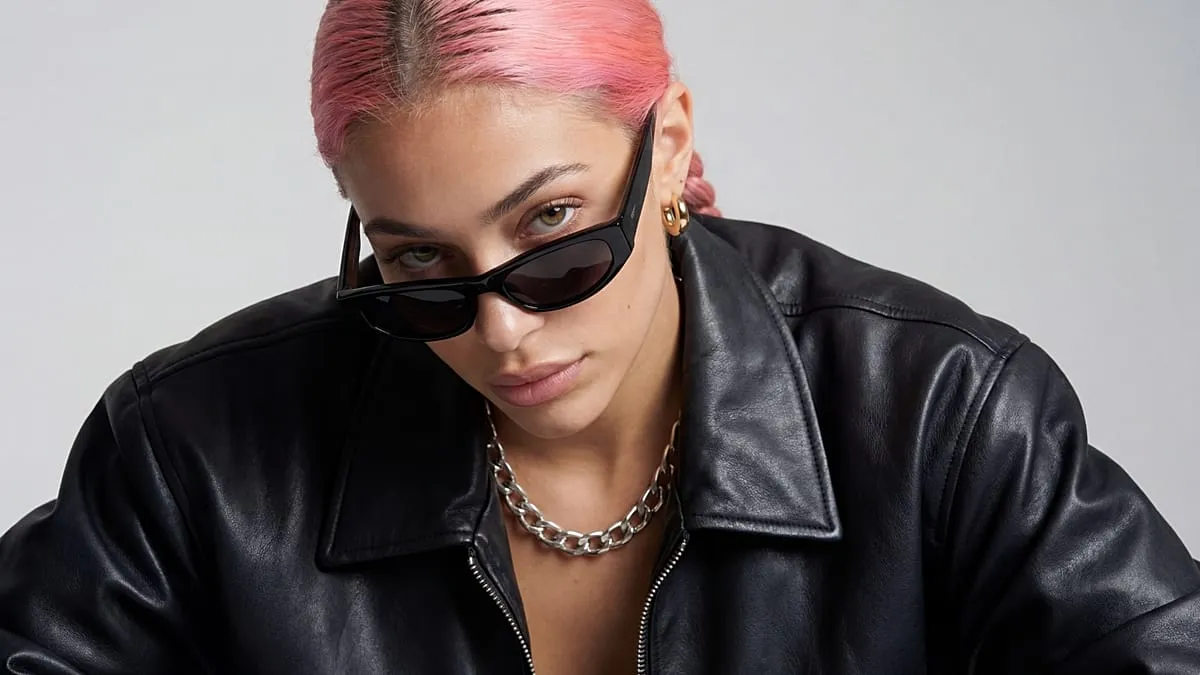
A global awards program, billed as the largest of its kind, has attracted thousands of AI-generated "personalities" vying for top honors. The AI Personality of the Year Awards, a collaboration between AI creation platform OpenArt and creator subscription platform Fanvue, challenged participants to develop and grow virtual characters across diverse categories including entertainment, lifestyle, comedy, fitness, and fantasy. This initiative underscores the rapidly growing presence and mainstream acceptance of AI-driven virtual influencers in the digital landscape.
The competition, which spanned several weeks, mandated that entrants post at least four times during the challenge period. Winners are slated for announcement this month, with organizers reporting an impressive turnout of approximately 3,300 submissions. Chloe Fang, OpenArt’s head of partnerships, highlighted the substantial prize pool exceeding $90,000 USD (approximately €76,000), signaling the significant investment and interest in this emerging field. The awards aim to recognize and celebrate the creativity and innovation behind these synthetic personas.
The Rise of AI Personalities and Audience Engagement
Global Reach and Participation
The AI Personality of the Year Awards saw a significant global participation, with creators hailing from various regions. According to OpenArt, 37% of the submissions originated from Europe and the UK, followed by approximately 30% from North America. Asia contributed 18%, with smaller percentages from Latin America (5%), Africa (4%), and the Middle East (4%). These figures represent the geographic distribution of the human creators behind the AI personas, indicating a widespread engagement with AI-driven content creation across different continents.
While the organizers did not provide specific demographic data for the AI personalities themselves, the diversity of the human creators suggests a broad spectrum of perspectives contributing to the AI influencer space. This global reach highlights the international appeal and growing adoption of AI personality creation tools and platforms.
Audience Connection Beyond Reality
One of the most compelling aspects of the competition is the deep connection audiences form with AI-generated personalities. Jae Young Joon, an AI-generated Korean male model with over 400,000 followers across Instagram and TikTok, emerged as one of the contest's most followed entrants. Despite his AI origin being clearly stated, Jae's profile consistently receives heartfelt messages and fan mail.
Luc Thierry, the Canadian creator behind Jae, believes this demonstrates that audiences may prioritize the emotional resonance of their interactions over the authenticity of the persona's existence. This suggests a potential shift in how digital fame and fan engagement are perceived, where the quality of the connection and content can transcend the creator's physical reality.
Ethical Considerations and Industry Scrutiny
Concerns Surrounding Generative AI
The proliferation of AI-generated personalities is not without its ethical complexities, particularly concerning the blurring of lines between reality and fiction. Generative AI technologies have already raised significant concerns regarding job displacement, intellectual property rights, and the creation of non-consensual explicit content, commonly known as deepfakes.
Recent incidents, such as the scrutiny faced by Elon Musk's xAI chatbot Grok for generating sexually explicit imagery of women and minors, have intensified these concerns. This led to restrictions on Grok's image-generation features and amplified broader anxieties about the potential misuse of AI tools for creating inappropriate or harmful content. The rapid advancement of these technologies necessitates robust ethical frameworks and regulatory oversight.
Unrealistic Beauty Standards and Bias
Beyond concerns about inappropriate content, critics argue that AI image generation exacerbates the issue of unrealistic body image standards. Social media has long been criticized for promoting unattainable beauty ideals, and AI's ability to create "perfect" influencers—who require no physical effort, cosmetic procedures, or even a physical body—could amplify this problem. AI can effortlessly generate images with flawless skin, symmetrical features, and idealized body types.
Research, such as a 2026 study from the University of Toronto, has indicated that AI image generators often exhibit biases, disproportionately producing images of young, white individuals with slender physiques and blemish-free complexions, even from neutral prompts. This algorithmic bias reinforces narrow definitions of beauty and can have detrimental effects on self-esteem and societal perceptions of attractiveness.
Competition Judging Criteria and Diversity
Focus on Quality and Engagement
Fanvue, which previously co-organized the "Miss AI" beauty pageant that faced similar criticisms, emphasizes that the AI Personality of the Year Awards are judged on criteria beyond mere appearance. Chloe Fang stated that the primary judging factors include the quality of the content, the inspirational value of the persona, brand appeal, and overall fan engagement. This approach aims to move beyond superficial aesthetics and recognize substantive creative achievements.
Fang also noted a significant evolution in the types of AI influencers being submitted. Early AI personas were often characterized as "pretty ladies on Instagram." However, current submissions encompass a much wider range, including music-focused personas, entertainment characters, elaborate fantasy figures, male AI personalities, and creators actively promoting LGBTQ+ and cultural representation. This diversity in themes and identities reflects the maturing landscape of AI-driven content creation.
Platform Guardrails and Content Moderation
To address potential ethical concerns and ensure a safe environment, OpenArt and Fanvue have implemented several safeguards. OpenArt employs tools designed to detect potential copyright infringements and harmful content within submissions. Furthermore, the competition entries undergo human review to ensure compliance with the platform’s guidelines, which strictly prohibit hate speech, harassment, and sexually explicit material. These measures are crucial for maintaining the integrity of the competition and fostering responsible AI development.
The emphasis on human oversight, combined with automated detection tools, represents a multi-layered approach to content moderation. Organizers believe these guardrails are essential for navigating the complex ethical terrain of AI-generated content and promoting a positive and inclusive virtual influencer ecosystem.
Impact Analysis
The AI Personality of the Year Awards signifies a pivotal moment in the evolution of digital influence and content creation. By hosting the largest competition of its kind, organizers are not only validating the burgeoning field of AI personalities but also pushing the boundaries of what constitutes a "creator" or "influencer." The substantial prize money and global reach suggest a significant commercial and cultural investment in virtual beings. This trend challenges traditional notions of authenticity and could reshape marketing strategies, entertainment, and even social interaction. As AI-generated personalities become more sophisticated and integrated into popular culture, ongoing discussions about ethical development, content moderation, and the societal impact of virtual beings will be crucial.