Tirana, Albania – June 10, 2026 – A significant demonstration unfolded today in the Albanian capital, Tirana, as thousands of citizens gathered to voice their opposition to a large-scale luxury resort project spearheaded by Jared Kushner. This marks the largest protest to date against the development, drawing a substantial crowd that extended for roughly half a mile along a major city boulevard. The protesters carried banners with slogans such as “Albania is not for sale” and vocalized their dissent with chants of “New Albania,” directing their concerns towards the office of Prime Minister Edi Rama.
The demonstrations highlight growing public apprehension regarding foreign investment and its potential impact on national interests and sovereignty. The luxury resort project, associated with a prominent figure linked to the former U.S. administration, has become a focal point for nationalistic sentiment and concerns over the prioritization of economic development versus the preservation of local interests and environmental considerations. The scale of the turnout underscores the depth of public feeling on this issue.
Opposition to the Kushner-Backed Resort
The core of the protest centers on the proposed luxury resort, a significant development project that has drawn criticism from various segments of Albanian society. Concerns range from environmental impact assessments and land use policies to the broader implications of large-scale foreign investment projects on the national economy and the potential for increased gentrification. Critics argue that such projects may disproportionately benefit foreign investors while offering limited long-term advantages to local communities, potentially leading to displacement and the erosion of cultural heritage.
Organizers of the protest, while not explicitly named in the initial reports, appear to have mobilized a broad coalition of concerned citizens. The message “Albania is not for sale” resonates with a sentiment that prioritizes national ownership and control over key development projects. The chant “New Albania” suggests a desire for a different model of development, one that is perceived as more equitable and aligned with the interests of the Albanian people rather than solely catering to international capital. 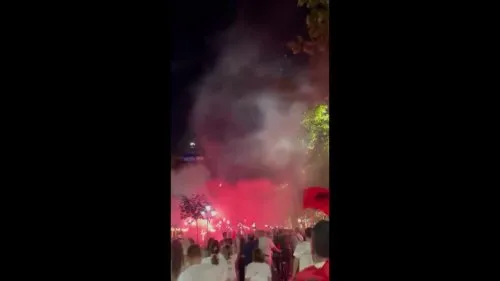
Local Concerns and National Sentiment
The protest in Tirana reflects a broader trend of public scrutiny towards major development initiatives, particularly those with international backing. The perception that such projects might benefit foreign entities at the expense of national interests is a recurring theme in public discourse. The involvement of Jared Kushner, a figure with significant political connections, has amplified these concerns, leading to accusations that the project may be influenced by geopolitical considerations rather than purely economic ones.
Environmental advocates have also voiced concerns about the potential ecological impact of constructing a large luxury resort, particularly if it is situated in a sensitive coastal or natural area. Questions surrounding transparency in the bidding process, land acquisition, and the long-term sustainability of the project remain central to the opposition. The sheer volume of protesters indicates a deep-seated public engagement with these issues and a demand for greater accountability from the government regarding foreign investment policies.
Government Response and Future Implications
The Albanian government, led by Prime Minister Edi Rama, faces mounting pressure to address the concerns raised by the thousands of demonstrators. While the exact nature of the government's response remains to be seen, significant public opposition could necessitate a review of the project's approval process or its proposed scale and scope. The administration's handling of this situation will likely set a precedent for future foreign investment projects and influence public trust.
This event underscores the increasing assertiveness of civil society in Albania and its willingness to mobilize against policies perceived as detrimental to national interests. The outcome of this protest could influence Albania's approach to attracting foreign direct investment, potentially leading to stricter regulations or a greater emphasis on community consultation for future large-scale developments. The long-term implications for tourism, economic development, and national identity in Albania are considerable.
Impact Analysis
The large-scale protests against the Jared Kushner-backed resort development in Albania carry significant implications beyond local opposition. They signal a potential shift in how foreign investment is perceived and regulated, with a growing emphasis on national sovereignty and public consultation. This could lead to more stringent vetting processes for international projects in Albania and potentially in other Balkan nations, impacting the flow of capital and the nature of development agreements. Furthermore, the protests highlight the increasing power of organized public opinion in shaping national policy, even in the face of government-backed economic initiatives. The international attention drawn to this situation may also influence how developers with political ties approach projects in emerging markets, emphasizing the need for greater transparency and community engagement to mitigate potential backlash.