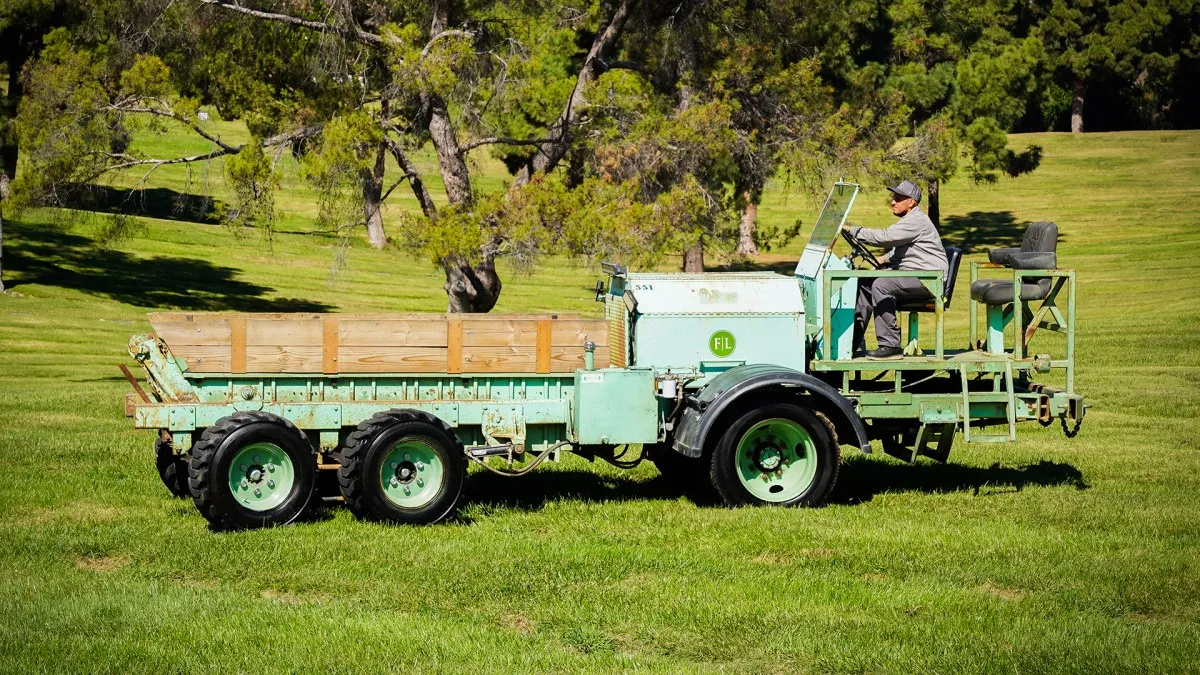
While the sight of a hearse is familiar to most, the final journey often involves vehicles beyond the traditional funeral procession. Cemeteries, particularly those with extensive grounds and meticulous care standards, utilize a specialized fleet of vehicles designed for unique operational needs. Forest Lawn Funerals, Cremations, and Cemeteries, a prominent memorial park in Glendale, California, exemplifies this with its collection of purpose-built machines that facilitate groundskeeping, burial preparations, and logistical support, ensuring a seamless and respectful environment for visitors and ceremonies.
These specialized vehicles, often overlooked by the public, are crucial to the day-to-day functioning of a large cemetery. Forest Lawn's commitment to maintaining its grounds and services is underscored by its investment in a diverse array of machinery, from dirt haulers and casket loaders to custom flatbed trucks and industrial lawnmowers. This array of bespoke equipment, some dating back decades and refurbished with modern components, highlights a blend of historical engineering and practical innovation tailored to the specific demands of a memorial park.
Bespoke Machinery for Memorial Park Operations
Forest Lawn's operational fleet is a fascinating collection of custom-built vehicles, each engineered to perform specific tasks essential for cemetery management. These machines are not standard commercial offerings but rather unique creations developed to meet the precise requirements of maintaining and operating a large memorial park. The park has invested in multiple units of each type of machine, alongside other vital equipment such as casket lowering devices, irrigation trucks, lathes, mills, and fabrication machinery, demonstrating a comprehensive approach to internal vehicle and equipment management.
Ricardo Rojas, Forest Lawn-Glendale’s Automotive, Mechanical & Transportation Supervisor, provides insight into the specifications and functions of these unique vehicles. Their design and construction underscore a commitment to durability, functionality, and the specific environmental challenges faced within a cemetery setting. The presence of such a specialized fleet allows Forest Lawn to maintain its grounds to exacting standards and manage burial services with unparalleled efficiency and discretion.
Powertrain and Drivetrain Specifications
Dirt Hauler
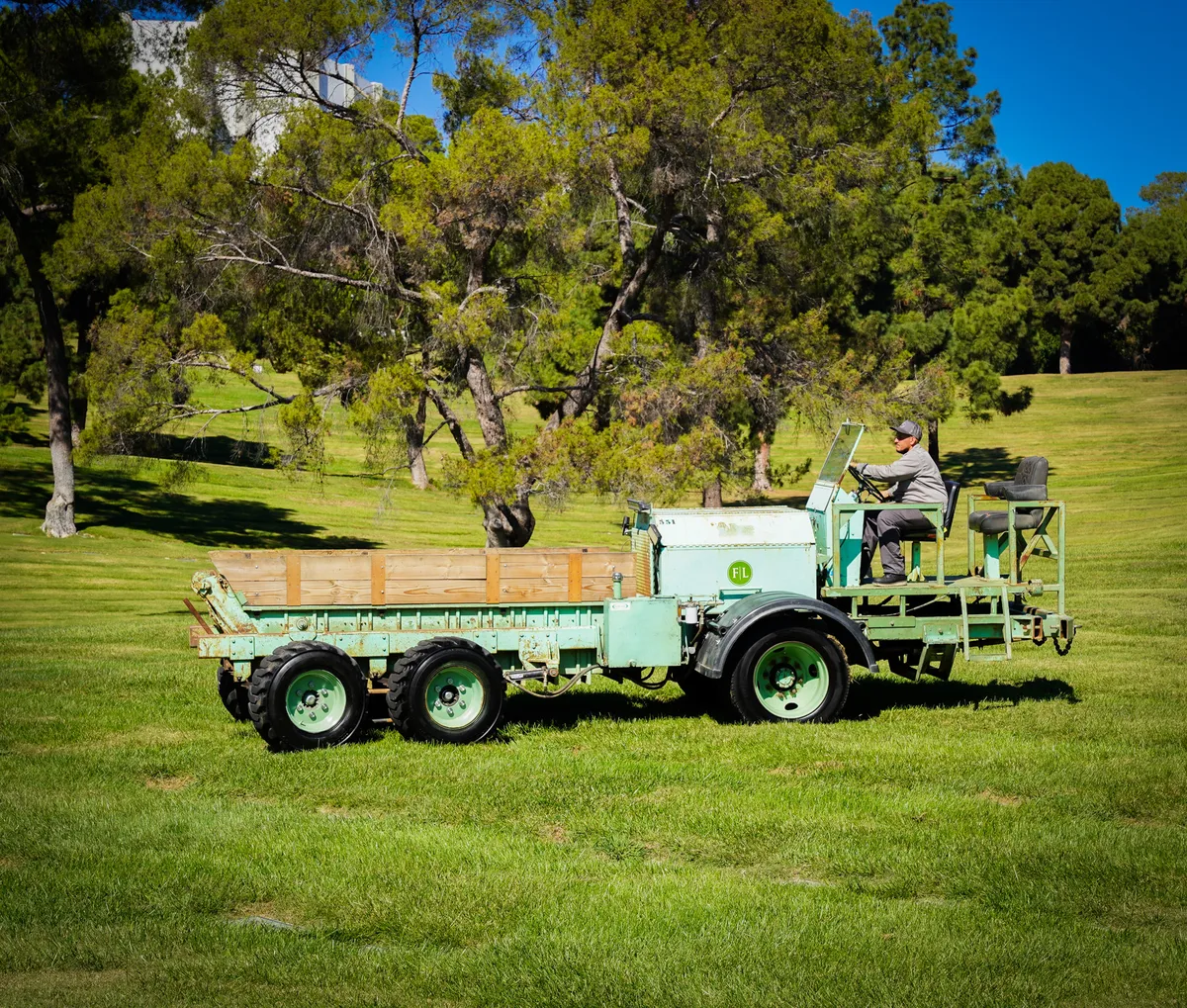
The dirt hauler is equipped with a 1987 Chevrolet 350 engine paired with a 400 turbo automatic transmission. Its rear differential is sourced from a 1984 GMC Topkick, while the front axles have been extended from a 2019 Isuzu truck to match the vehicle's width. This robust configuration allows it to efficiently move excavated soil, crucial for preparing burial sites.
Casket Loader
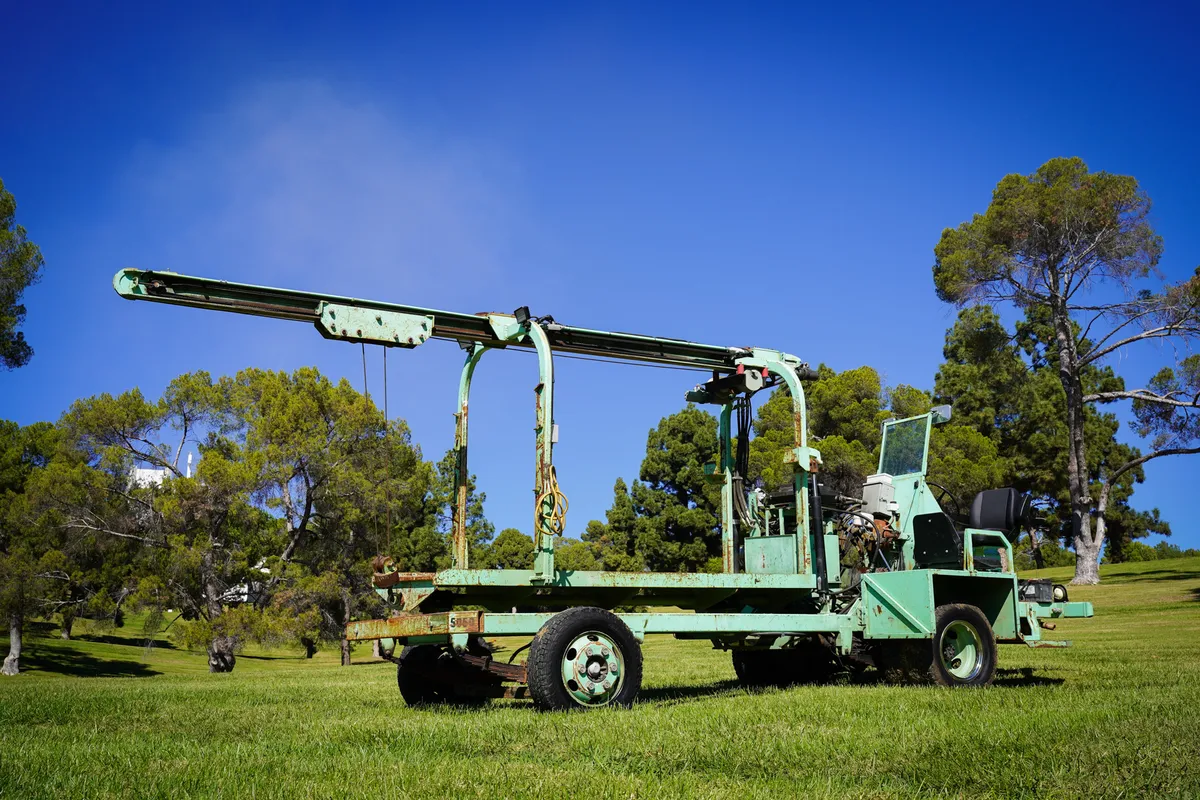
Powered by a Ford 2.5-liter engine running on propane, the casket loader features a heavy-duty Ford 435 5-speed manual transmission. It is connected to an NP 205 transfer case and utilizes a 1-ton GMC differential. The front axle is from an Isuzu, showcasing a blend of components engineered for the specific task of safely and precisely positioning caskets within gravesites.
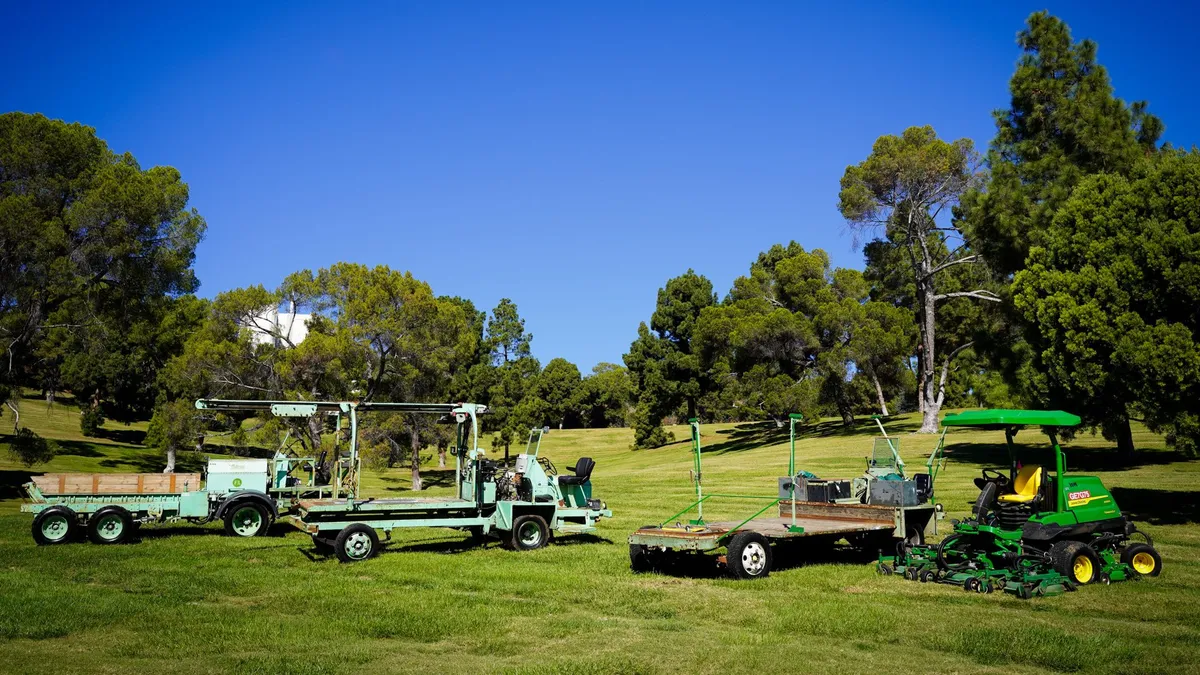
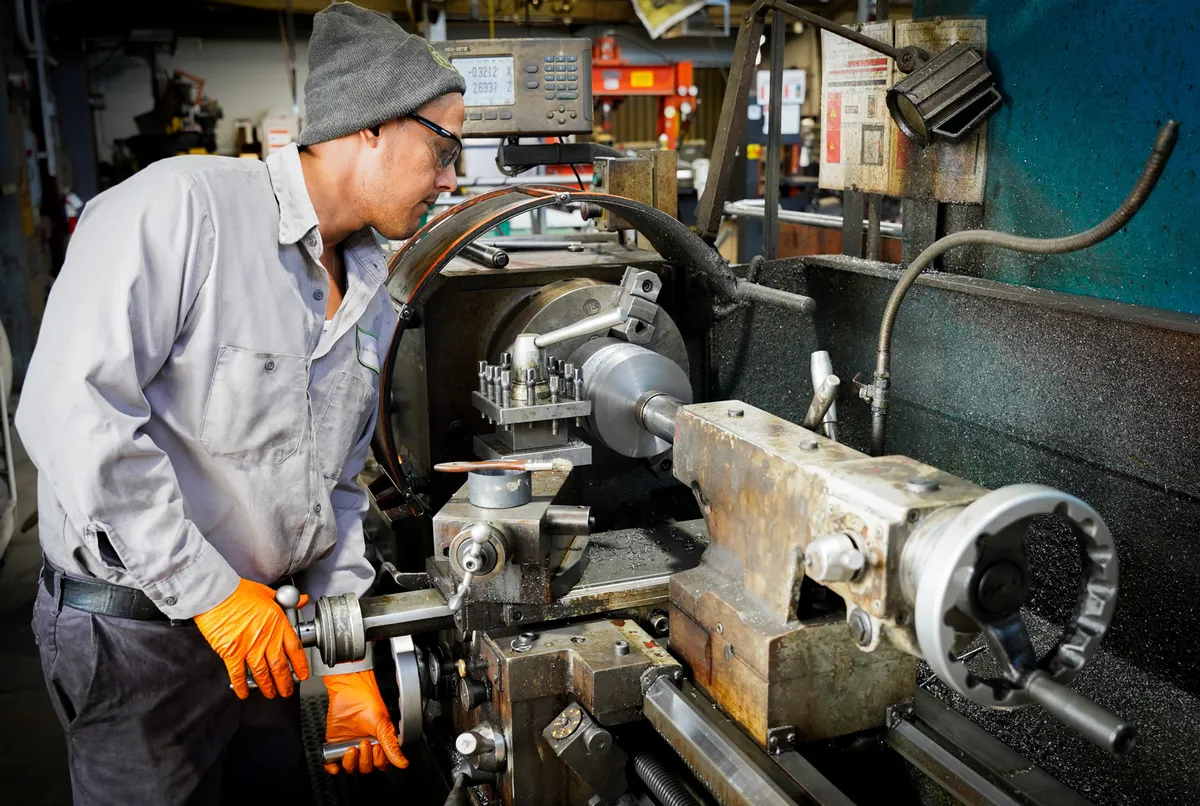
The maintenance of these specialized vehicles is a critical aspect of Forest Lawn's operations, ensuring their reliability and longevity. The park employs dedicated personnel, such as fabricators like Juan Henriquez, to ensure all equipment is kept in optimal working condition.
Custom Flatbed
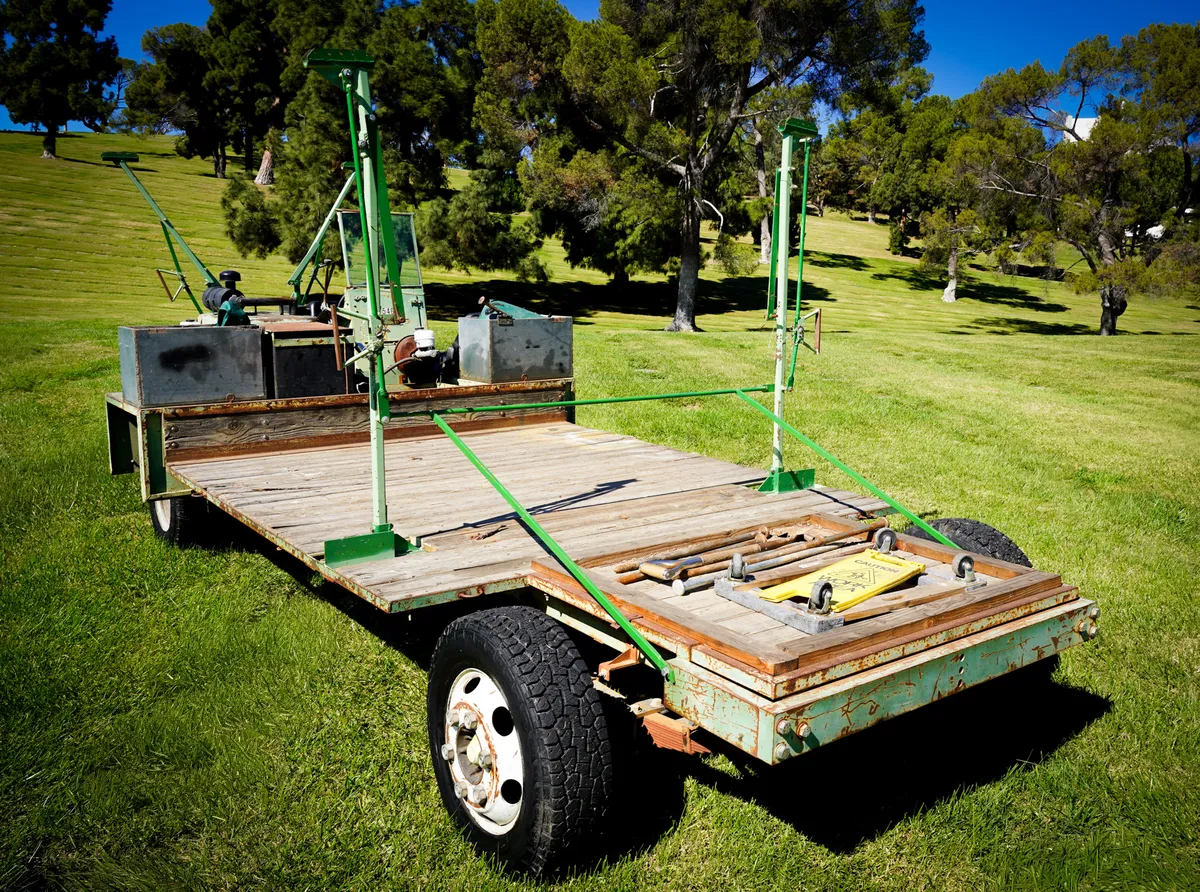
This versatile utility vehicle incorporates a 1987 P-van front axle and a 1-ton GMC rear differential. It is powered by a gasoline-fueled 2.5-liter Ford engine and utilizes a C4 automatic transmission. This flatbed serves multiple purposes, including transporting equipment and facilitating other logistical needs across the park.
John Deere Lawnmower
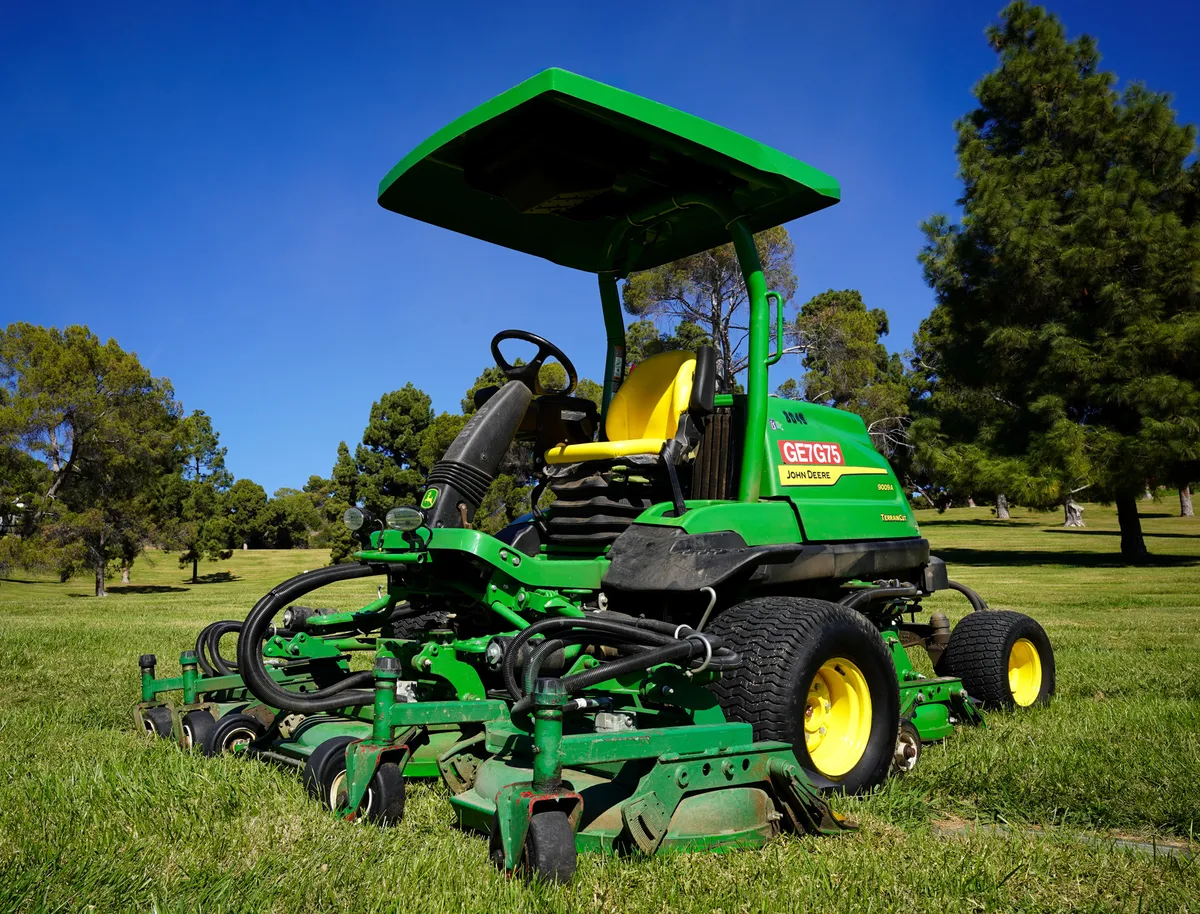
The groundskeeping operations are handled by a John Deere mower, which is powered by a 65 HP Kubota diesel engine. It features a hydrostatic transmission and 4-wheel drive capabilities. The mower boasts a wide-width cutting deck measuring 105 inches, enabling efficient maintenance of the park's extensive acreage.
Purpose-Built for Cemetery Operations
All the specialized machines utilized by Forest Lawn are purpose-built specifically for the unique demands of a memorial park. This bespoke approach ensures that each vehicle is ideally suited for its intended function, whether it be excavating burial plots, transporting caskets, or maintaining the vast grounds. This dedication to custom engineering reflects a commitment to operational excellence and the meticulous care of the cemetery environment.
The original construction of many of these bespoke machines dates back to the 1950s, often incorporating military-grade powertrains. Over the years, they have undergone significant refurbishment and modernization, integrating newer components to enhance performance and reliability while retaining their essential custom design. This blend of vintage chassis and updated mechanicals provides a unique character to Forest Lawn's operational fleet.
Functional Roles Within the Memorial Park
Excavation and Burial Preparation
The dirt hauler plays a pivotal role in the burial process by moving a precise, casket-sized volume of earth. This ensures that excavation for new graves is conducted with accuracy and efficiency, minimizing disruption to the surrounding landscape. Its capacity is calibrated to match standard casket dimensions, streamlining the preparation phase for interments.
Casket Transport and Placement
The casket loader is specifically designed to transport caskets from staging areas to the final resting place. Its specialized lifting and maneuvering capabilities ensure that caskets are handled with the utmost care and precision, facilitating a smooth and dignified placement within the burial plot. This function is critical for maintaining the solemnity and respect associated with funeral services.
Logistical Support and Grounds Maintenance
The custom flatbed serves as a versatile utility vehicle, crucial for various support functions within the park. It is employed for transporting essential equipment, such as tents for services, and also aids in other logistical tasks required for park upkeep and event facilitation. Complementing this is the extensive groundskeeping capability provided by the John Deere lawnmower, which maintains the park's 250 acres of landscape, ensuring a pristine and welcoming environment.
Historical Context and Modernization
The origins of Forest Lawn's bespoke machinery trace back to the mid-20th century, with many of the core structures and powertrains derived from military surplus. This foundation provided robust and durable platforms for customization. The subsequent modernization efforts have involved integrating more contemporary engines, transmissions, and axles, enhancing their performance, fuel efficiency, and compliance with evolving operational standards.
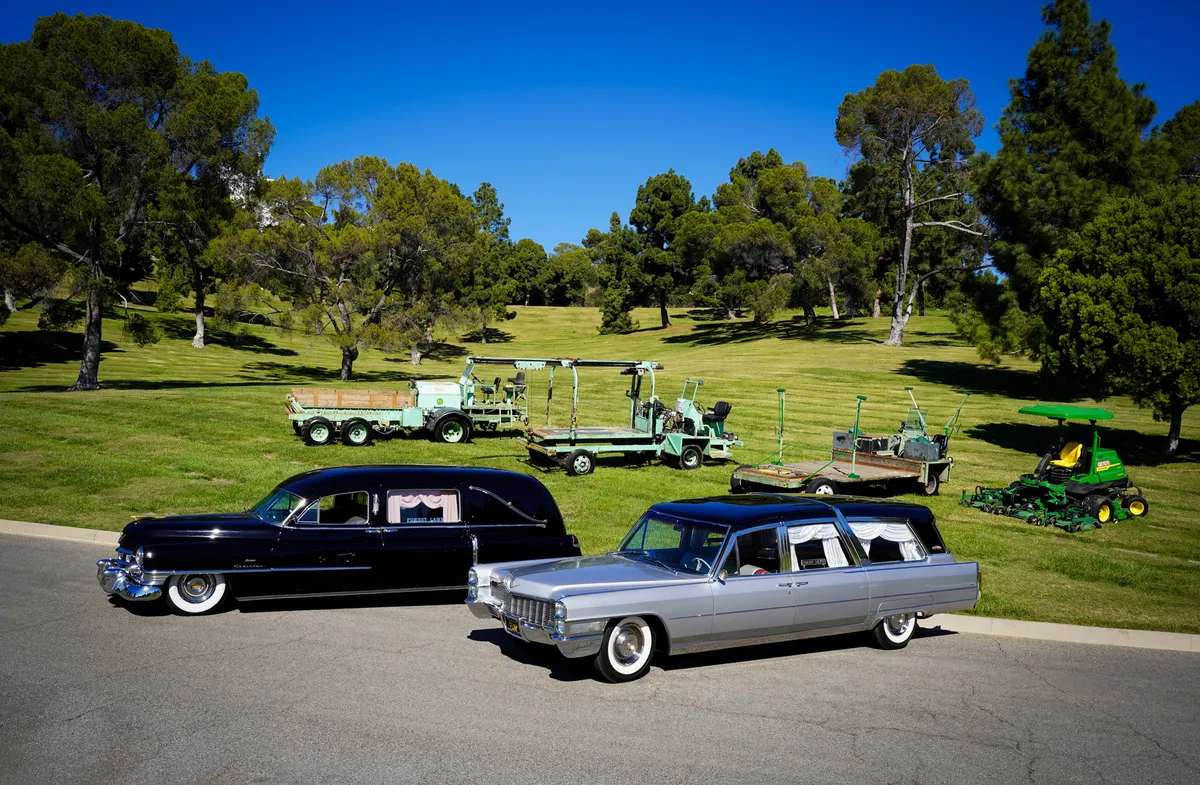
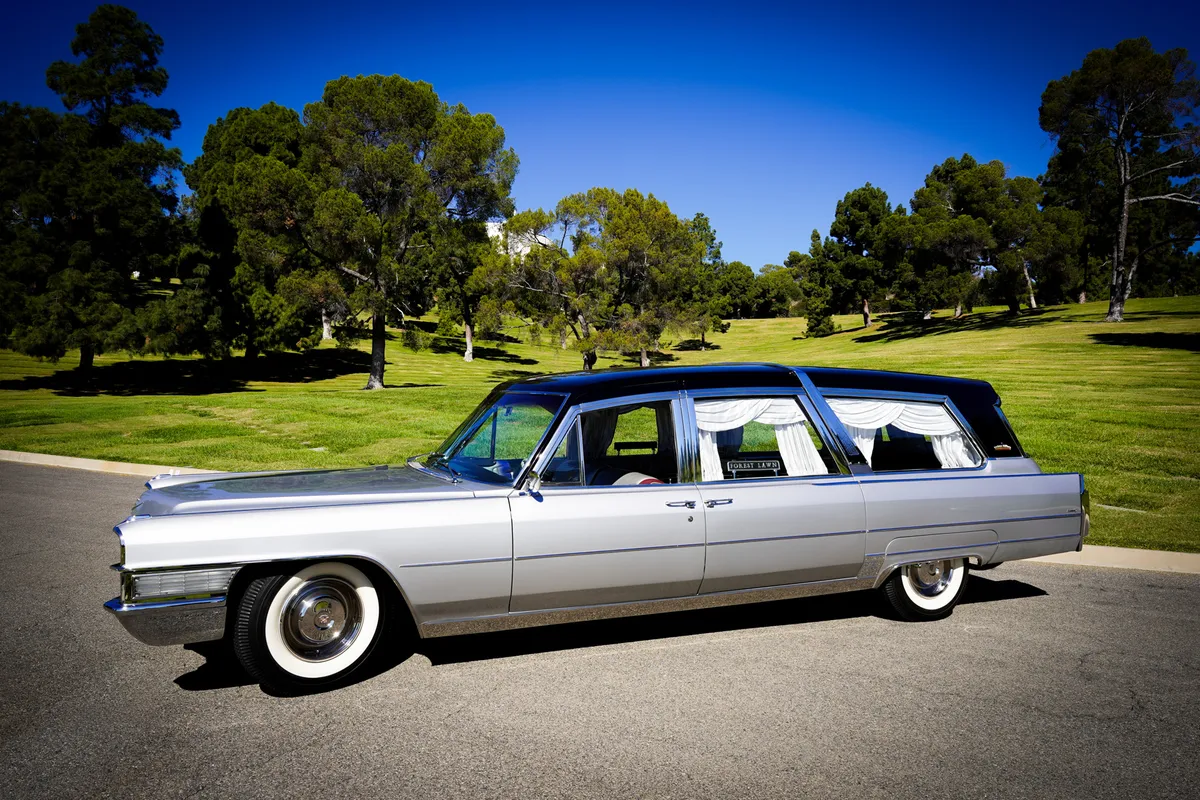
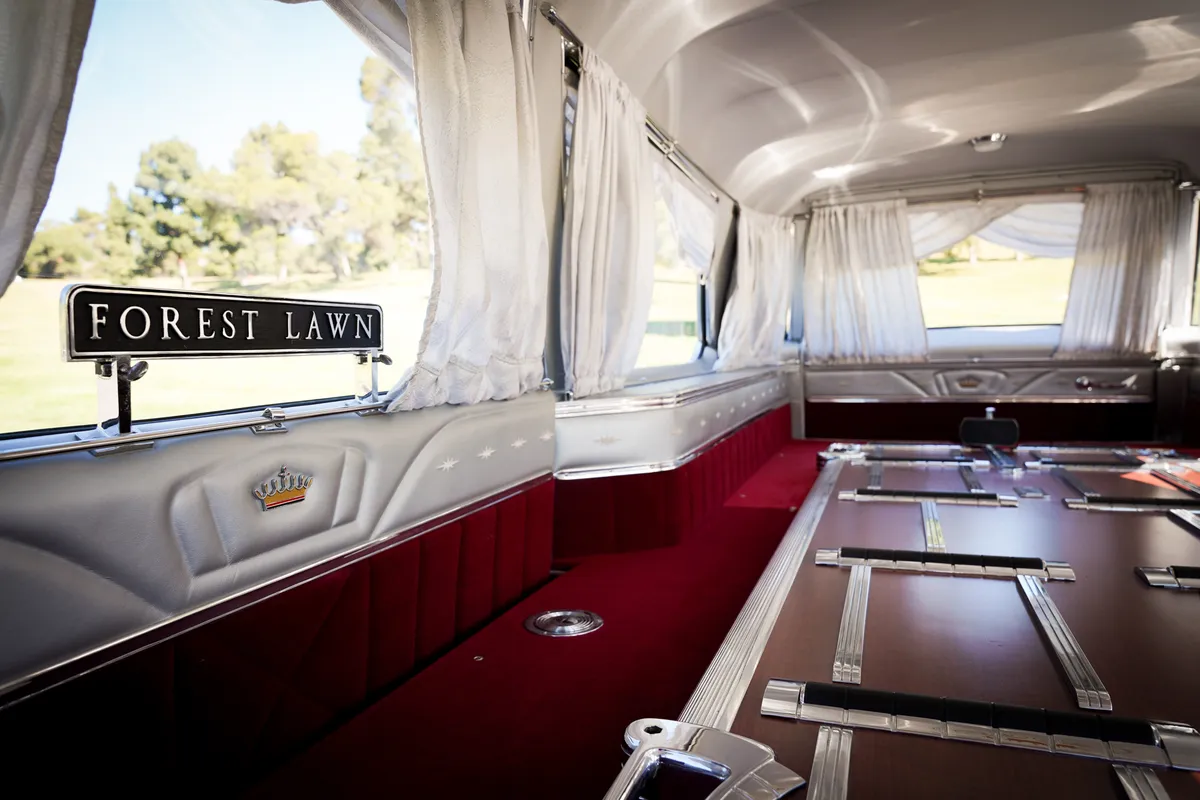
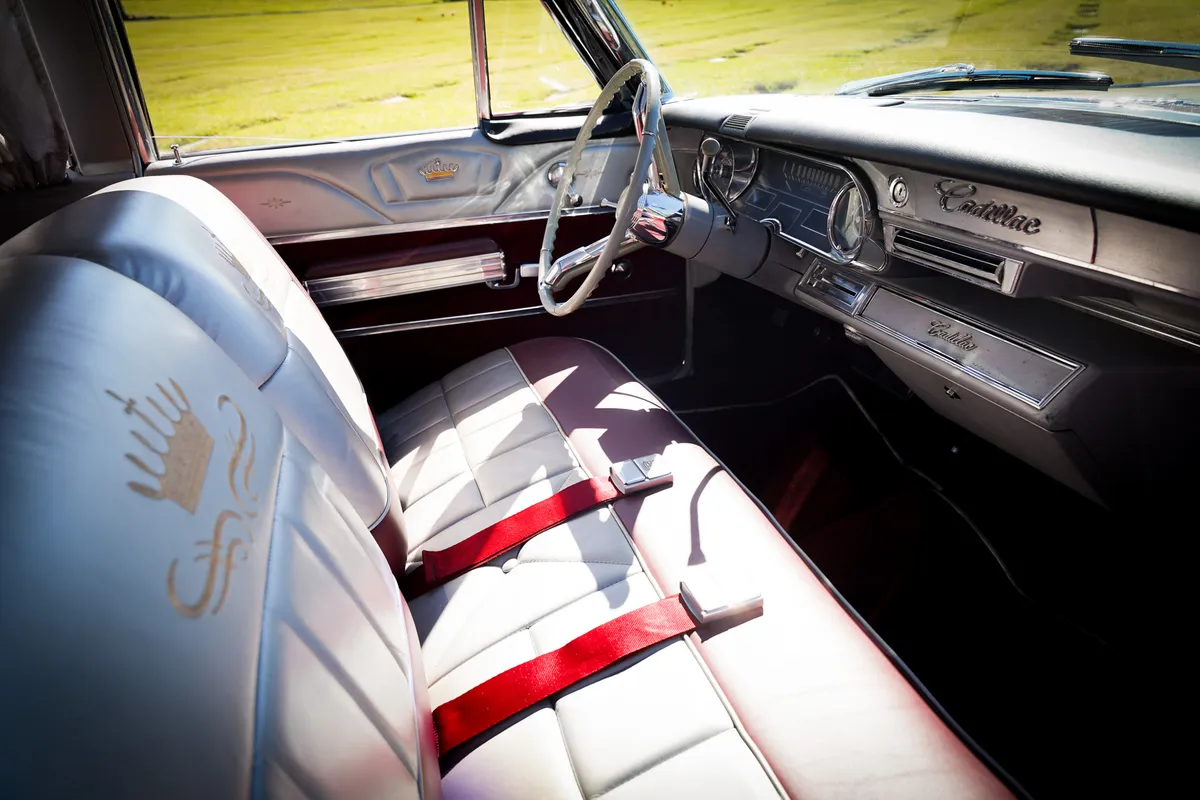
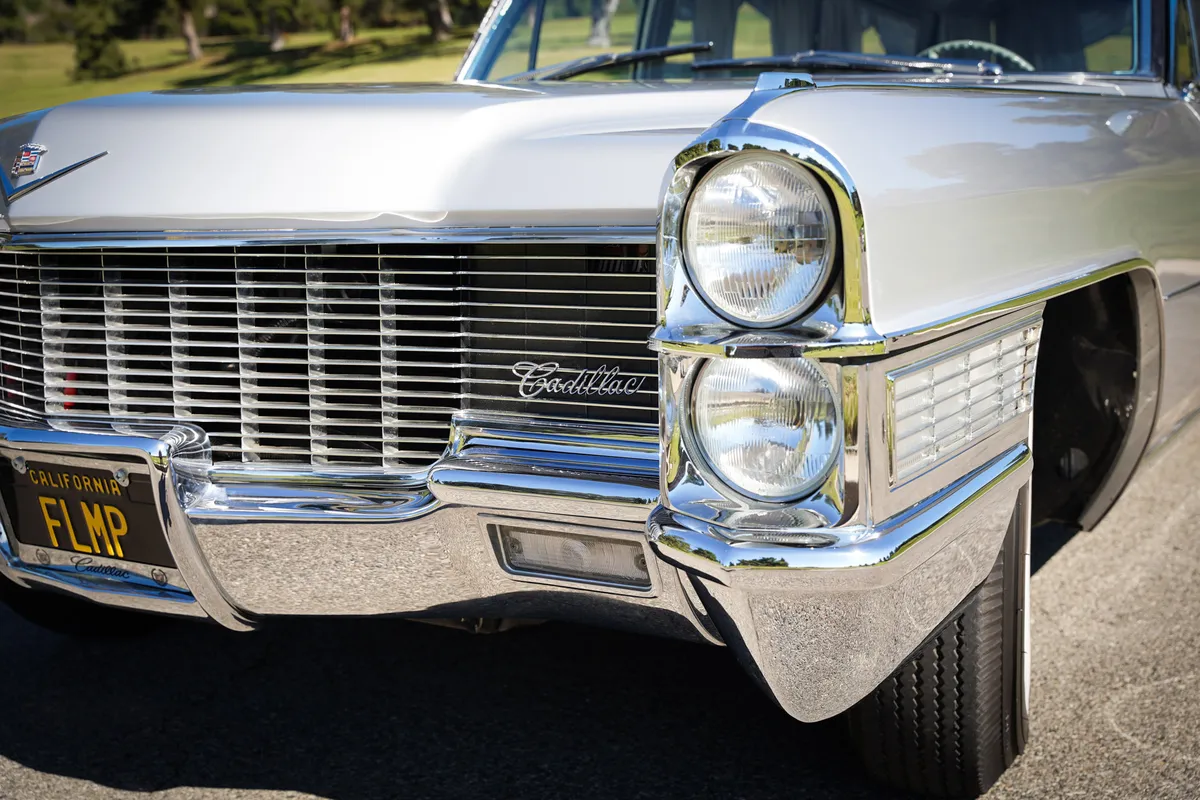
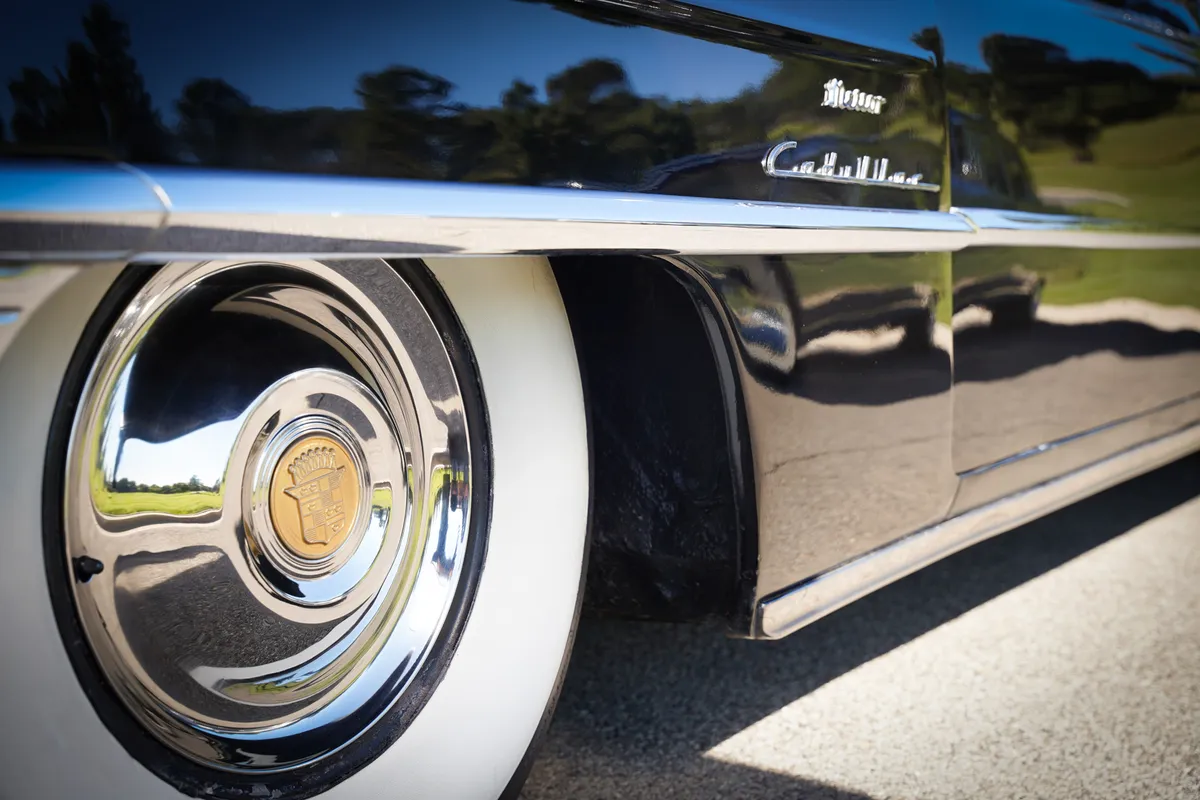
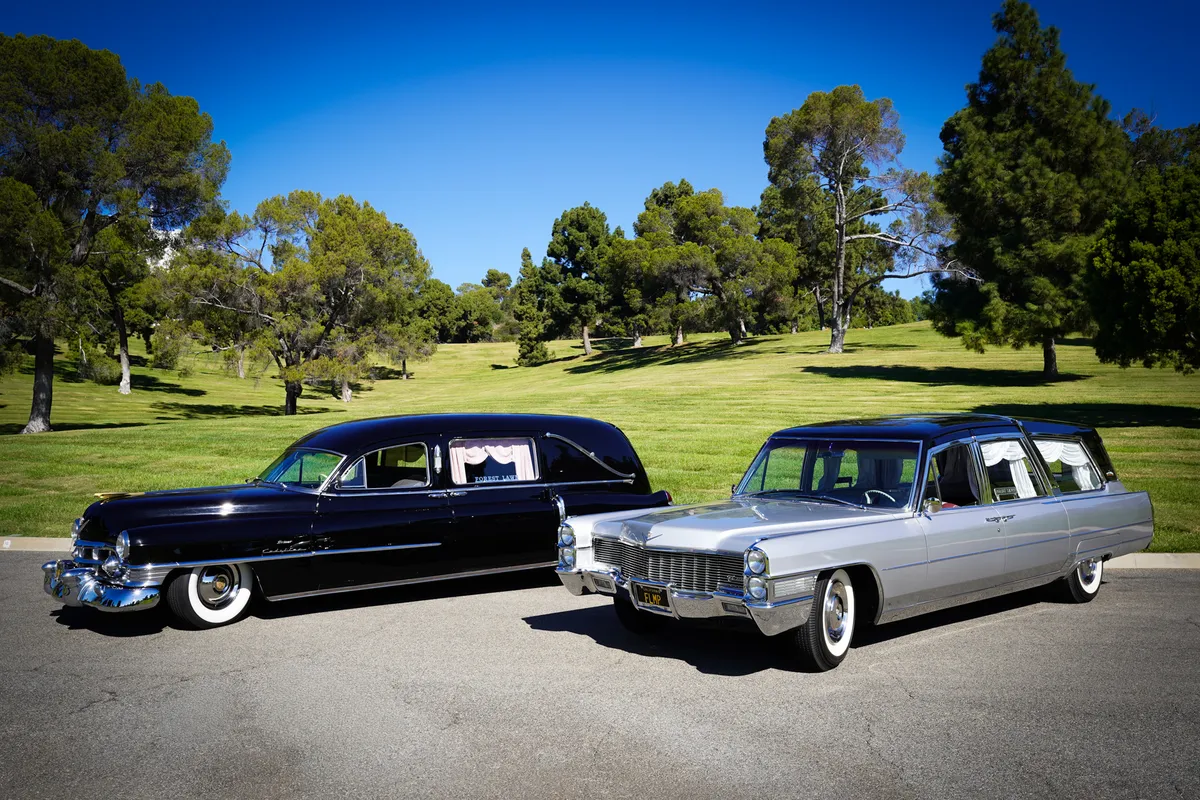
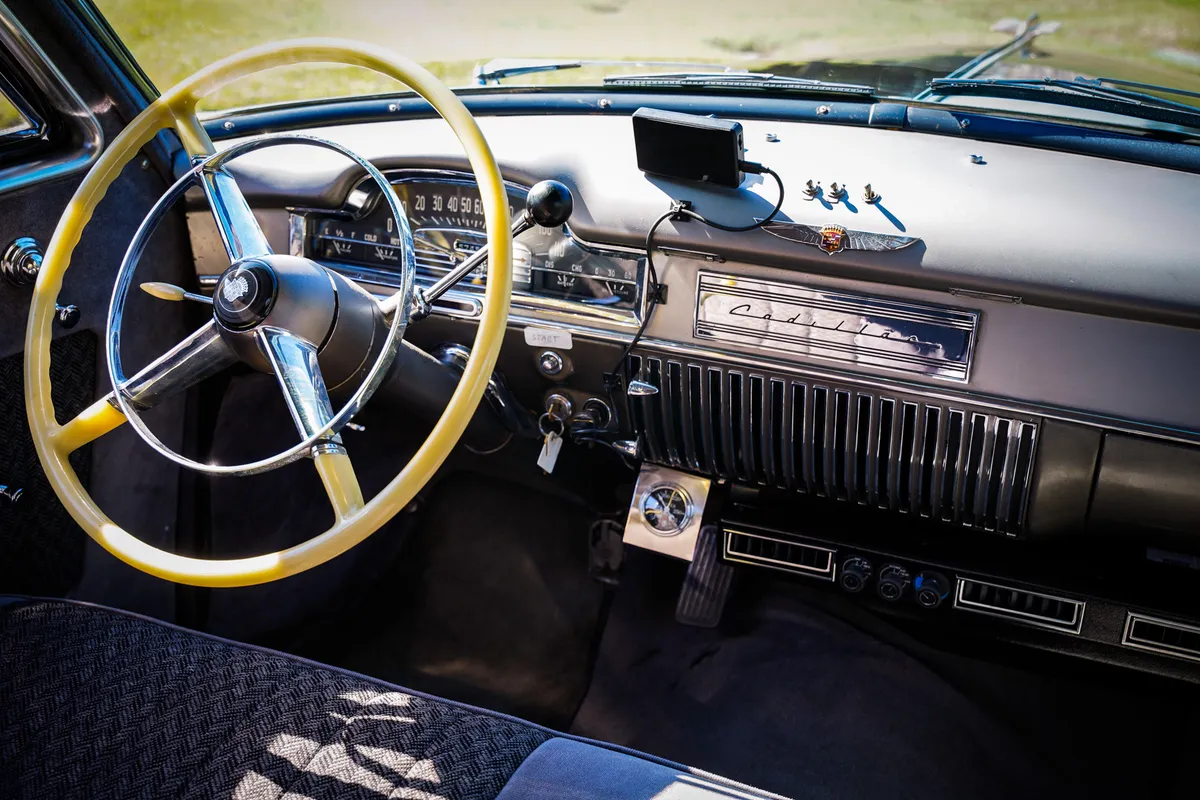
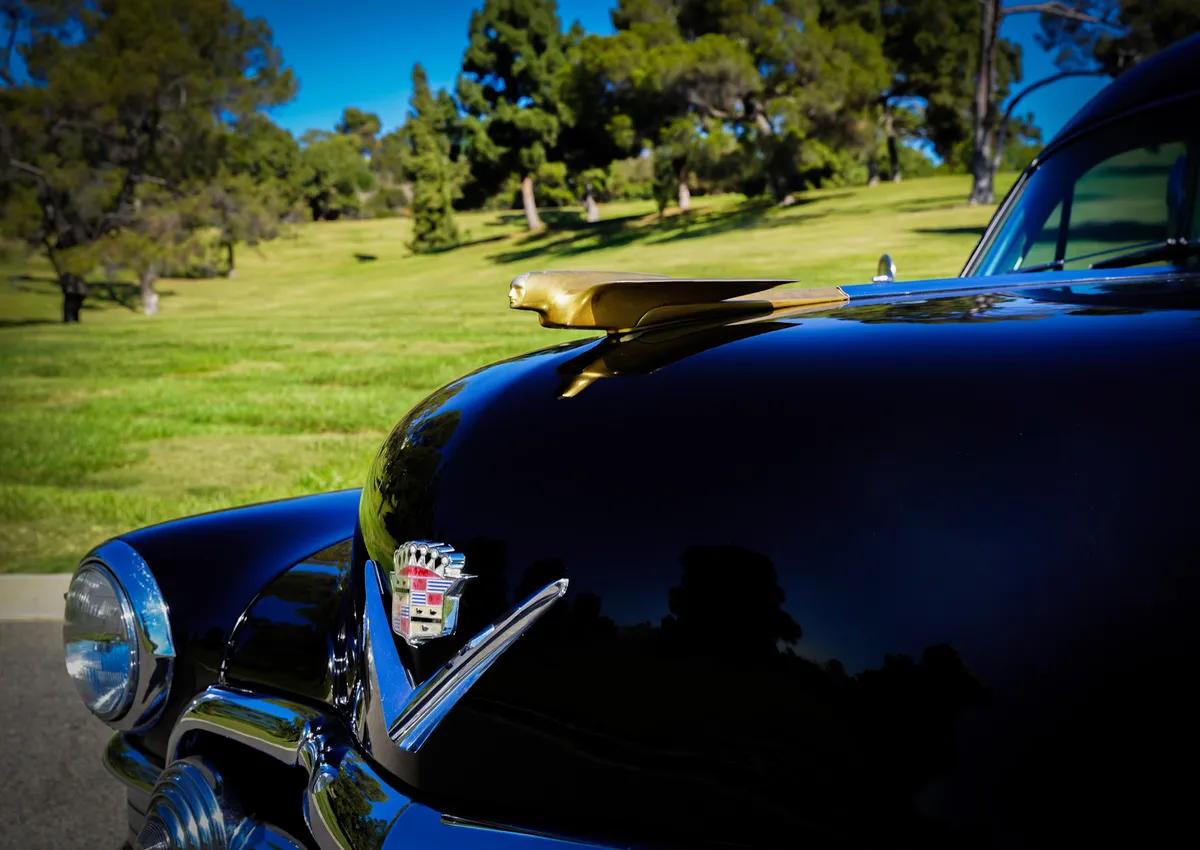
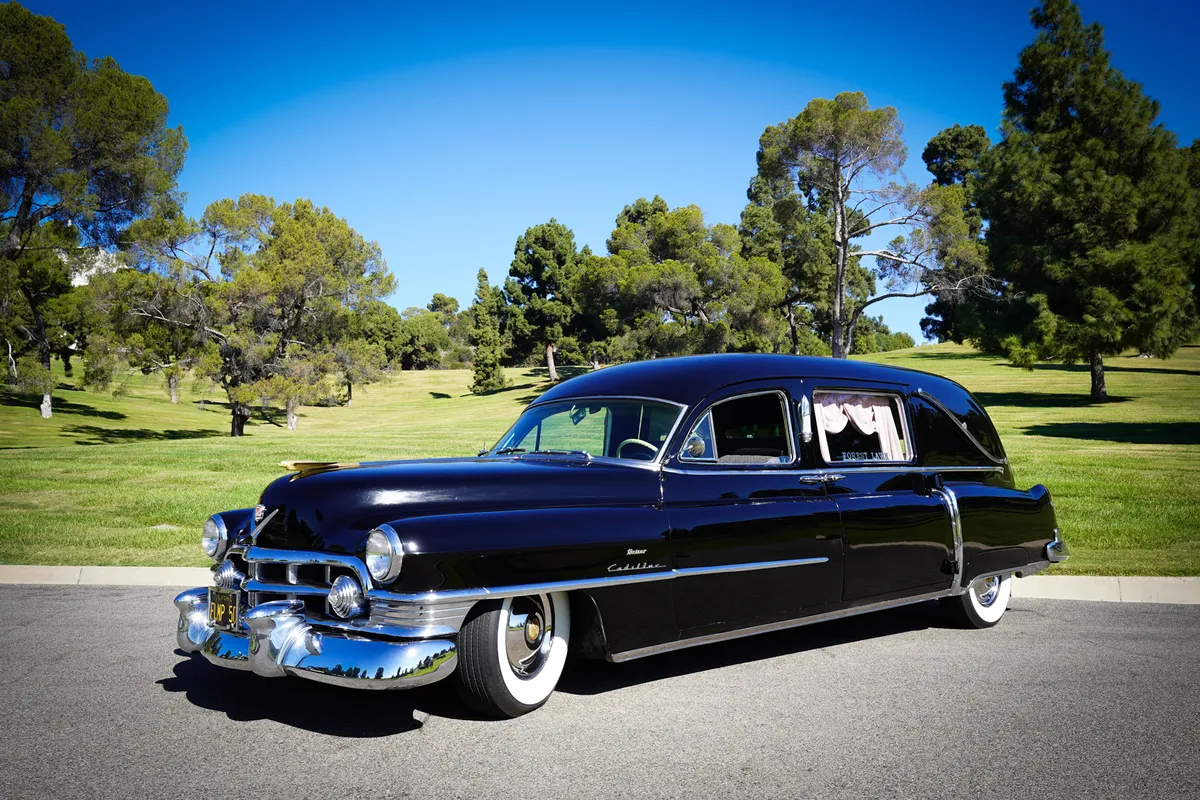
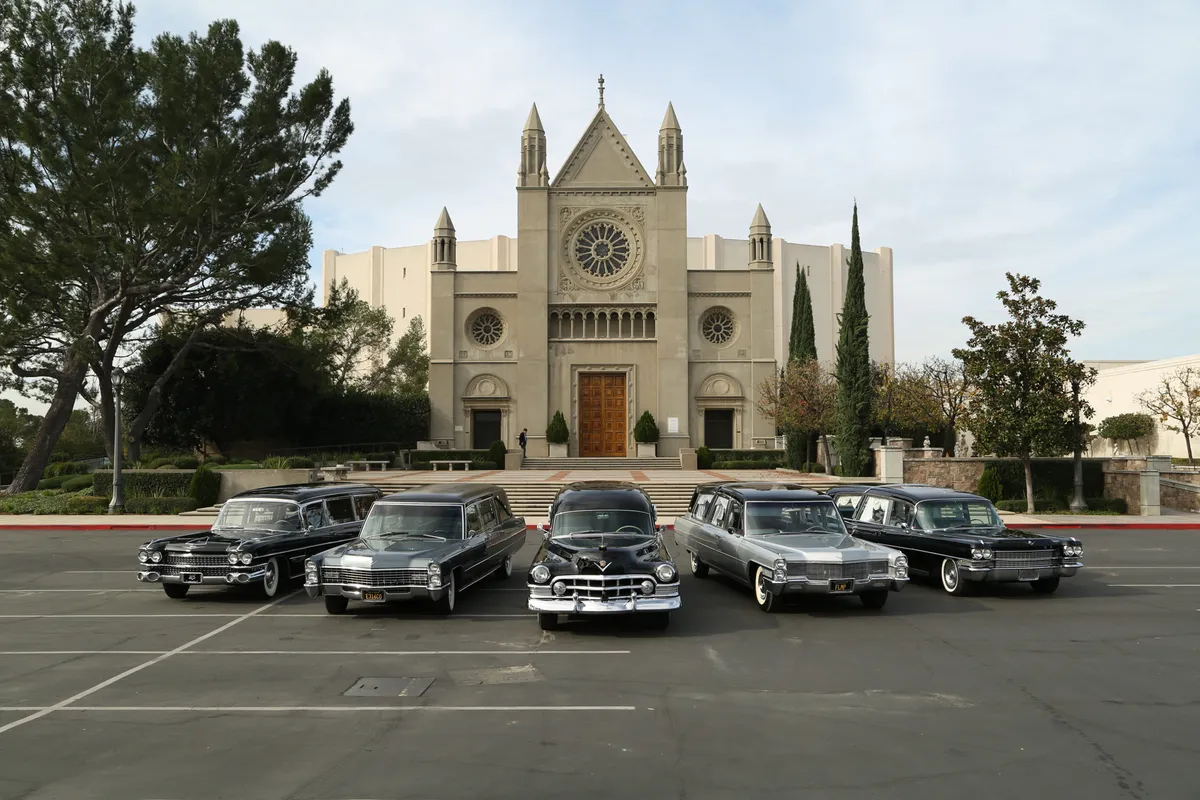
This process of refurbishment and upgrading ensures that these unique vehicles remain functional and reliable assets for the park. While the John Deere mower is a more modern, commercially available piece of equipment, it complements the fleet by offering advanced mowing technology. The park also maintains a collection of classic hearses, including models such as the 1950 Meteor-Cadillac “Statesman,” 1959 Cadillac “Park Row,” 1963 Cadillac “Crown Royale,” 1965 Cadillac “Silver Spirit,” and a 1967 Cadillac “Victoria,” which are showcased at annual events, adding a historical and aesthetic dimension to the property.
Impact Analysis
The operational strategy employed by Forest Lawn, utilizing a fleet of bespoke, purpose-built vehicles, offers a compelling case study in specialized industrial asset management. This approach allows for unparalleled efficiency and control over critical functions, from land management to funeral logistics. For other large institutions or municipalities with unique operational requirements, studying Forest Lawn's model could provide insights into optimizing internal resources and custom-engineering solutions rather than relying solely on standardized commercial equipment. The integration of historical components with modern upgrades also points to sustainable practices in extending the lifespan of heavy machinery, reducing the need for constant replacement and minimizing environmental impact.