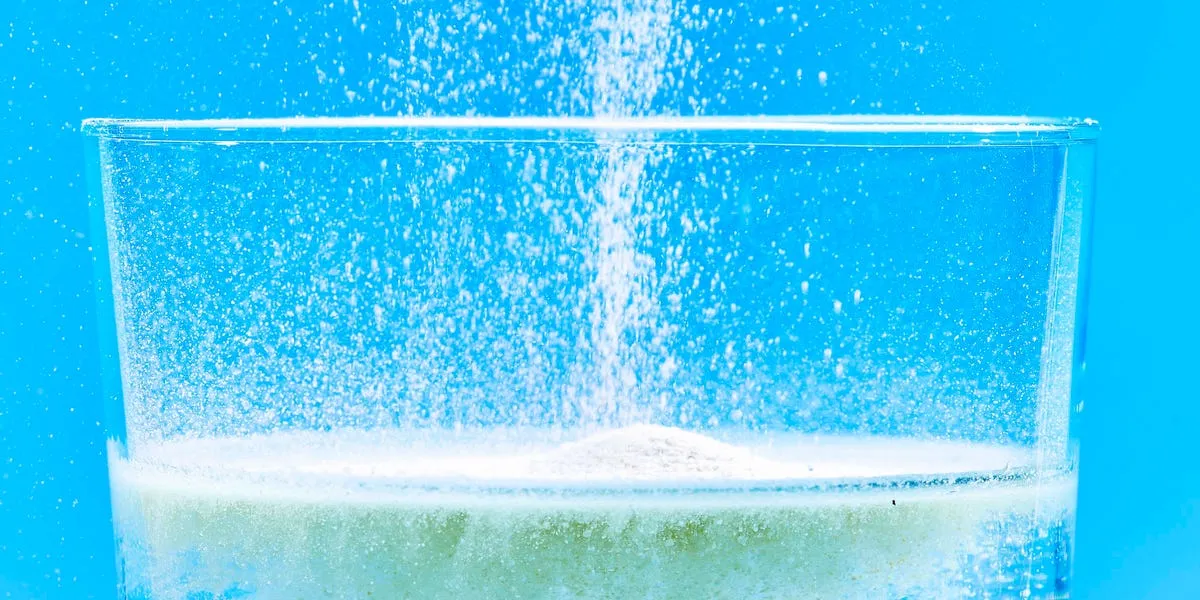
Many individuals who incorporate creatine into their fitness regimen, whether rekindling its use or starting anew due to its widely recognized exercise benefits and emerging research on cognitive advantages, often ponder the viability of existing supplement supplies. A common question arises: Is a tub of creatine that has been stored for some time still safe and effective to consume?
Fortunately, scientific inquiry has addressed this specific concern, providing a clear answer. Understanding the potential for creatine degradation requires a brief look into its composition and manufacturing process. While the human body naturally produces creatine and it is found in dietary proteins, the focus here is on creatine monohydrate, the synthetic form prevalent in nutritional supplements.
The Science Behind Creatine Monohydrate
Creatine monohydrate is synthesized through a chemical reaction involving two primary compounds: sodium sarcosinate, often used as a foaming agent, and cyanamide, a reactive chemical. Under controlled conditions of heat and pressure, these components liquify and, upon cooling, crystallize to form creatine monohydrate. This process ensures a potent and consistent form of the supplement widely used for enhancing athletic performance and potentially cognitive functions.
The stability of creatine monohydrate is a significant factor in its effectiveness. While it is a robust compound, its integrity can be compromised under specific environmental conditions. Understanding these factors is crucial for maintaining the quality and efficacy of the supplement over time, ensuring that users derive the intended benefits.
Factors Affecting Creatine Stability
According to Scott Forbes, PhD, CISSN, a researcher specializing in creatine and a professor at Brandon University, creatine monohydrate exhibits remarkable stability, capable of lasting for years, provided it is stored appropriately. The critical factor for its preservation is maintaining a dry storage environment. Moisture is identified as the primary adversary to creatine's quality.
Even ambient humidity or incidental exposure to liquids can initiate the degradation process of the creatine monohydrate crystals formed during manufacturing. This susceptibility to moisture is precisely why pre-mixed creatine beverages are not typically found on the market. Forbes notes that depending on temperature and pH levels, creatine dissolved in liquid can degrade completely within approximately one week.
Assessing the Safety and Efficacy of Stored Creatine
Forbes asserts that consuming creatine monohydrate, even if it has been stored for an extended period, remains safe and effective, as long as it has been kept sealed and protected from moisture. The inherent durability of creatine monohydrate, particularly concerning temperature fluctuations, is noteworthy. Research investigating the impact of thermal stress on creatine supplements has indicated that the compound can retain its quality even when exposed to higher temperatures or mixed with beverages like coffee.
Studies have demonstrated that creatine can maintain its integrity even after prolonged exposure to elevated temperatures, such as 140°F for as long as 44 months in some analyses. Therefore, the primary determinant of creatine's shelf life is not typically the passage of time alone, but rather the environmental conditions it is subjected to. As Forbes concludes, “If there is no liquid, there is likely no creatine degradation even well beyond the expiration dates.”
Impact Analysis
The findings regarding creatine's stability have practical implications for consumers and the supplement industry. It suggests that consumers can confidently use creatine monohydrate products past their printed expiration dates, provided they have been stored correctly in a dry, sealed container. This extends the usability of the product, potentially reducing waste and offering cost-effectiveness. For manufacturers, it reinforces the importance of proper packaging and storage guidelines to maintain product integrity. Furthermore, it underscores that the primary threat to creatine efficacy is environmental exposure, particularly to moisture, rather than inherent chemical instability over time.