

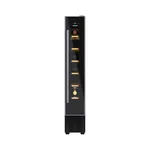
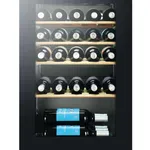
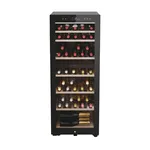
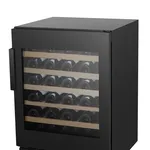
Deep Dive: Technical Specifications and Advanced Features of Wine Coolers
Understanding the Science of Wine Preservation
Effective wine preservation hinges on precise environmental control, safeguarding wine from its primary adversaries: temperature instability, UV light exposure, excessive vibration, and inappropriate humidity. Wine coolers are engineered to counteract these factors, employing sophisticated technologies to replicate ideal cellar conditions, thereby ensuring optimal aging and readiness for consumption.
Temperature Control Mechanisms and Zones
The core function of a wine cooler is temperature stability. There are two primary cooling technologies:
Compressor-Based Systems: These operate much like a standard refrigerator, utilizing a vapor-compression refrigeration cycle. A refrigerant circulates through an evaporator, absorbing heat from the cabinet, and then compresses, releasing heat outside. This technology offers robust cooling power, a wide temperature range, and efficient performance regardless of ambient room temperature. However, compressors can generate vibration and noise, though modern designs incorporate vibration-dampening mounts and insulated compartments to mitigate these issues.
Thermoelectric (Peltier) Systems: These systems leverage the Peltier effect, where an electric current passing through dissimilar conductors generates a temperature differential. Thermoelectric coolers are celebrated for their virtually silent operation and complete lack of vibration, making them ideal for small capacities or areas where quiet is paramount. Their limitations include a smaller cooling differential (typically 20-25°F below ambient) and reduced efficiency in warmer environments, making them less suitable for large collections or hot climates.
Temperature Zones:
Single-Zone: Maintains one consistent temperature, suitable for collections primarily intended for long-term aging or for serving one type of wine (e.g., all reds).
Dual-Zone: Features two independently controlled temperature compartments, allowing for optimal storage of different wine types, such as red wines at a warmer temperature (55-65°F / 13-18°C) and white/sparkling wines at a cooler serving temperature (45-55°F / 7-13°C).
Multi-Zone: Offers three or more distinct temperature zones, providing ultimate flexibility for diverse collections, often with a gradient from top to bottom, catering to various serving and aging requirements.
Humidity Management for Cork Integrity
Maintaining relative humidity (RH) between 50% and 80% is critical. Low humidity causes corks to dry out, shrink, and allow air ingress, leading to oxidation and spoilage. Excessively high humidity can foster mold growth on labels and corks. Many wine coolers employ passive humidity retention, relying on the sealed environment and the moisture content of the air. Some advanced models include active humidity control systems, often involving a reservoir or humidistat, to precisely regulate internal moisture levels.
UV Light Protection and Door Construction
Ultraviolet (UV) light can prematurely age wine, alter its chemical composition, and create "lightstruck" flavors. Wine cooler doors are designed to combat this. Options include solid doors for complete light exclusion or glass doors featuring advanced UV filtration. This typically involves tinted, low-emissivity (Low-E), or double-pane tempered glass, which blocks a significant spectrum of UV radiation while still allowing visibility of the collection.
Vibration Dampening Technology
Constant vibration, even subtle, can disturb sediment, accelerate chemical reactions, and negatively impact a wine's delicate structure and aging process. Compressor-based wine coolers incorporate specific engineering solutions to minimize vibration. These include heavy-duty, vibration-absorbing rubber grommets and bushings for the compressor, specialized fan mounts, and robust shelving designs (often solid wood, which inherently absorbs more vibration than metal) to isolate bottles from any mechanical movement.
Shelving and Interior Ergonomics
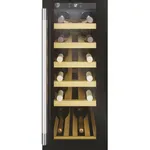
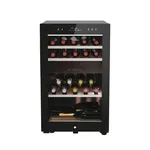
The interior design is crucial for accessibility and bottle protection. Premium wine coolers feature smooth-gliding, full-extension wooden shelves, often made from beech or oak, which are gentler on labels and provide better air circulation than metal wire racks. Adjustable shelving accommodates various bottle shapes (Bordeaux, Burgundy, Champagne) and sizes, preventing overcrowding and ensuring proper spacing. Interior lighting, typically cool-burning LED, illuminates the collection without generating harmful heat.
Installation Flexibility: Freestanding vs. Built-In
Freestanding units require adequate clearance (typically 3-5 inches) around the sides and rear for proper heat dissipation, as their condensers are usually located at the back. They can be placed anywhere with power access.
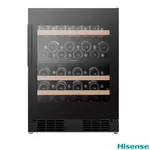
Built-in or undercounter models are designed to integrate seamlessly into cabinetry. These units feature front-ventilation systems, where warm air from the condenser is expelled through a kick-plate at the front base, eliminating the need for side or rear clearance and preventing overheating when enclosed.