The United States is facing a significant resurgence of the New World screwworm, a destructive parasitic fly, with the recent detection of cases in Texas. This marks the first natural incursion of the species into U.S. cattle in over four decades, triggering immediate concern for livestock health and agricultural stability. The U.S. Department of Agriculture (USDA) confirmed the initial finding in a Texas calf, followed by a second case shortly thereafter, raising alarms about the potential for widespread infestation. This reappearance signifies a critical setback in long-standing eradication efforts and revives a decades-long battle against a pest that poses a severe threat to warm-blooded animals, particularly livestock.
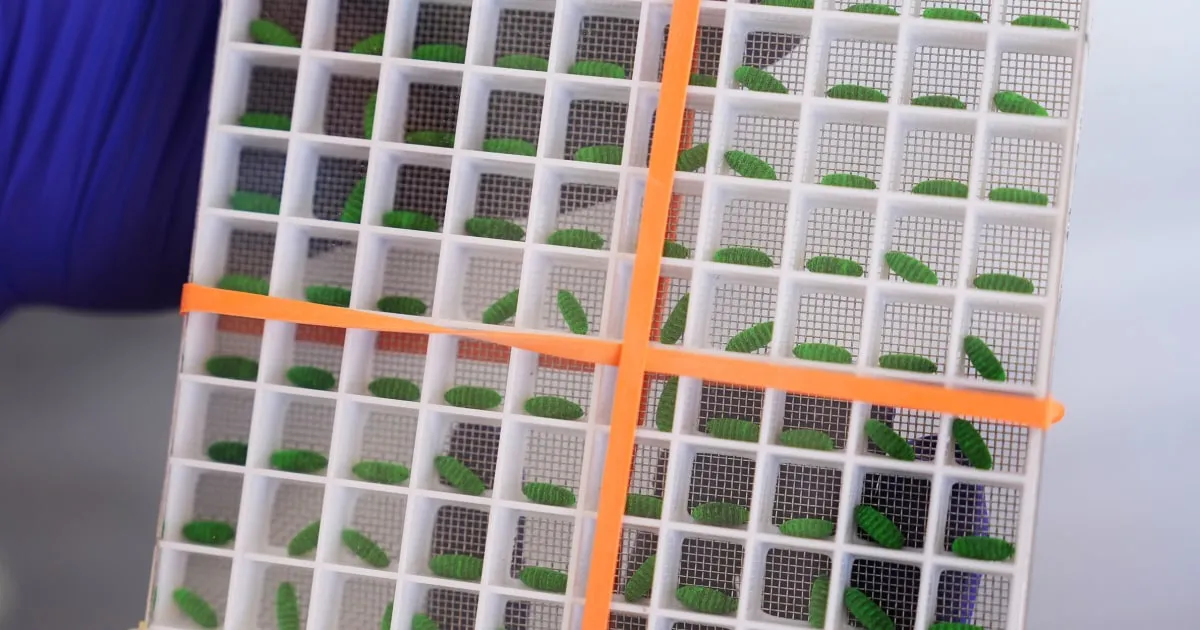
The New World screwworm (Cochliomyia hominivorax) is notorious for its larvae's ability to consume living animal tissue. While it can affect any warm-blooded animal, its impact on cattle can be fatal, posing substantial economic risks. The species, native to the southern United States, was largely eradicated through extensive, multi-national campaigns initiated in the late 1950s. The primary strategy involved the mass-production and release of sterile male flies, which, when mating with wild females, rendered reproduction impossible. This method proved highly effective, leading to the species' effective removal from the U.S. by 1982 and further eradication efforts extending southwards for decades.
The Resurgence and Its Implications
The current outbreak is believed to stem from an increase in screwworm populations in regions south of the U.S., potentially facilitated by favorable environmental conditions and a gradual reduction in ongoing sterile fly release programs. Experts emphasize the urgent need for swift action to contain the spread. The USDA is mobilizing resources, recalling the successful strategies of the past while also facing the challenge of rebuilding its capacity to combat the pest. The economic implications of a large-scale infestation are substantial, with previous estimates suggesting potential annual losses of nearly $2 billion in Texas alone due to livestock mortality, treatment costs, and associated labor expenses.
The screwworm fly itself is attracted to open wounds on animals, where females deposit their eggs. These eggs hatch into larvae, commonly known as maggots, which burrow into and feed on the host's flesh. The feeding process can lead to severe tissue damage, secondary infections, and, if left untreated, often results in the animal's death. While infections in humans are rare, they are described as extremely painful and debilitating, involving the consumption of skin, fat, or muscle tissue.
Historical Eradication Efforts and Modern Challenges
The campaign against the New World screwworm in the mid-20th century was a monumental undertaking involving the development of specialized facilities to breed and sterilize millions of flies weekly. These sterile males were then released across affected areas, dramatically reducing wild populations. This success led to a phased closure of eradication facilities as the screwworm was pushed progressively further south, culminating in its near-total eradication south of the Panama Canal by 2004. However, the aging infrastructure of remaining facilities and a potential decrease in sustained investment created vulnerabilities.
The re-emergence of the screwworm in the U.S. highlights the delicate nature of pest eradication and the importance of continuous monitoring and control. The current strategy mirrors the historical approach: mass-rearing and releasing sterile male screwworms. The USDA is committing significant funding to establish a new, large-scale production facility in Texas, intended to produce approximately 300 million sterile flies per week. Despite this commitment, the facility is not expected to be fully operational until late 2027, leaving a critical window of vulnerability during which containment efforts must be intensified.
Bioethical Considerations and Future Strategies
The reappearance of the screwworm has also reignited discussions among bioethicists and scientists regarding the potential for complete species eradication. Some researchers have proposed exploring advanced genetic modification techniques to introduce lethal genes into the screwworm population, thereby ensuring its extinction. This concept was explored by a group of experts who published their findings in the journal *Science*, positing that certain species, like the screwworm, might warrant elimination due to the immense suffering they inflict. The ethical debate centers on the balance between human responsibility for animal welfare, the potential ecological impact of eradicating a species, and the moral implications of wielding such powerful biotechnological tools.
While these advanced eradication strategies remain largely theoretical and require extensive research and development before any potential deployment, the immediate focus remains on the established sterile insect technique. The success of this method hinges on rapid deployment, sustained production of sterile flies, and stringent surveillance to detect and respond to new infestations. The USDA's renewed investment in a state-of-the-art facility is a testament to the perceived necessity of maintaining vigilance against this persistent and destructive pest, underscoring the ongoing challenge of protecting agricultural resources and animal health.
Impact Analysis
The return of the New World screwworm represents a significant public health and economic threat to the United States, particularly to its agricultural sector. The immediate impact includes heightened surveillance, increased veterinary care costs, and potential trade restrictions for livestock. The USDA's substantial investment in rebuilding sterile fly production capacity signals a long-term commitment to eradication, but the multi-year timeline for the new facility to reach full capacity leaves a period of heightened risk. This situation underscores the critical need for international cooperation in pest management and the potential for invasive species to exploit any lapse in established control measures. Furthermore, the scientific and ethical discussions surrounding complete species eradication, while currently speculative, highlight evolving perspectives on biodiversity and intervention strategies in ecological management.