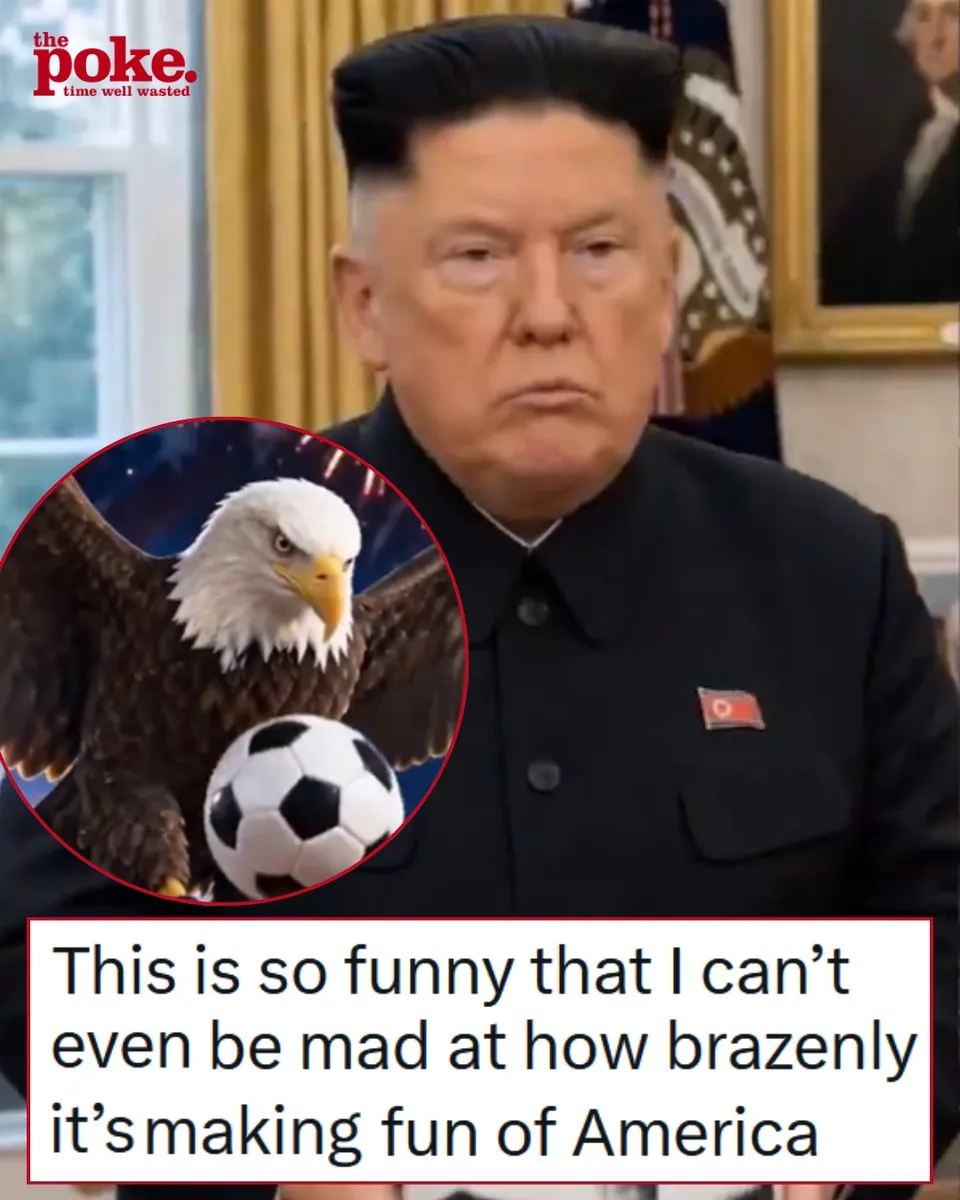
The upcoming 2026 FIFA World Cup, co-hosted by Canada, Mexico, and the United States, has generated considerable anticipation. However, alongside the excitement for the global football spectacle, a notable undercurrent of apprehension exists, particularly concerning the U.S. involvement. This concern isn't merely about broadcasting schedules or logistical challenges; it delves into a more nuanced critique, amplified by a recent viral AI-generated video that humorously satirizes American characteristics in the context of the tournament.
The AI video, shared widely on social media platform X (formerly Twitter) by user Pseudo Nym, presents a fictionalized, exaggerated depiction of the U.S. presence at the World Cup. While undeniably humorous, the content taps into a broader cultural commentary, playfully highlighting and even 'brazenly' poking fun at various perceived aspects of American identity and its role on the international stage. This satirical approach, powered by advanced artificial intelligence, offers a unique, albeit lighthearted, perspective on how the global event might be perceived through a distinctively American, and sometimes self-deprecating, lens.
AI's Creative Interpretation of the World Cup
Artificial intelligence has rapidly evolved beyond mere data analysis and automation; it is now a powerful tool for creative expression. The AI video depicting the 2026 World Cup exemplifies this shift, showcasing the technology's capability to generate engaging and culturally relevant content. By analyzing vast datasets of visual information, cultural trends, and even comedic timing, AI models can produce outputs that resonate with audiences on an emotional and intellectual level, as seen in the viral reaction to the World Cup satire.
This particular AI creation uses its generative abilities to blend the excitement of a major sporting event with a commentary on national identity. The humor derived from the video stems from its ability to identify and exaggerate specific traits, creating a caricature that is both recognizable and absurd. Such applications of AI demonstrate its growing influence not just in technical fields but also in shaping cultural discourse and entertainment, offering new avenues for storytelling and social observation.
The Role of AI in Content Creation and Satire
The proliferation of AI in content creation presents both opportunities and challenges. For creators, AI tools can streamline production processes, generate novel ideas, and personalize user experiences. In the realm of satire, AI can offer fresh perspectives by identifying patterns and juxtapositions that human creators might overlook. The 2026 World Cup AI video serves as a prime example of how AI can be leveraged to produce commentary that is timely, relevant, and highly shareable in the digital age.
However, the ethical implications and potential for misuse of such powerful generative AI technologies are also subjects of ongoing discussion. Ensuring authenticity, attribution, and preventing the spread of misinformation remain critical considerations as AI becomes more integrated into creative workflows. The impact of AI-generated content on public perception and cultural narratives, as highlighted by this World Cup-themed satire, underscores the need for responsible development and deployment of these advanced tools.
Broader Implications for Global Events
The use of AI to generate content related to significant global events like the World Cup signals a potential future where artificial intelligence plays a more active role in how these events are discussed, consumed, and even experienced. Beyond entertainment, AI could be used for real-time analysis of fan sentiment, predictive modeling for event logistics, or even generating personalized fan experiences. The satirical video, while humorous, hints at the power of AI to influence perceptions and generate conversation around major international gatherings.
As AI capabilities continue to expand, its intersection with major cultural and sporting events will undoubtedly become more pronounced. The 2026 World Cup, being hosted across three North American nations, is a significant global platform. The ability of AI to generate nuanced, culturally specific, and humorous content related to such an event demonstrates its growing capacity to engage with complex societal themes and reflect diverse viewpoints, albeit through a synthesized lens. The generated content, while lighthearted, prompts reflection on national identity and global representation in the context of international sports.