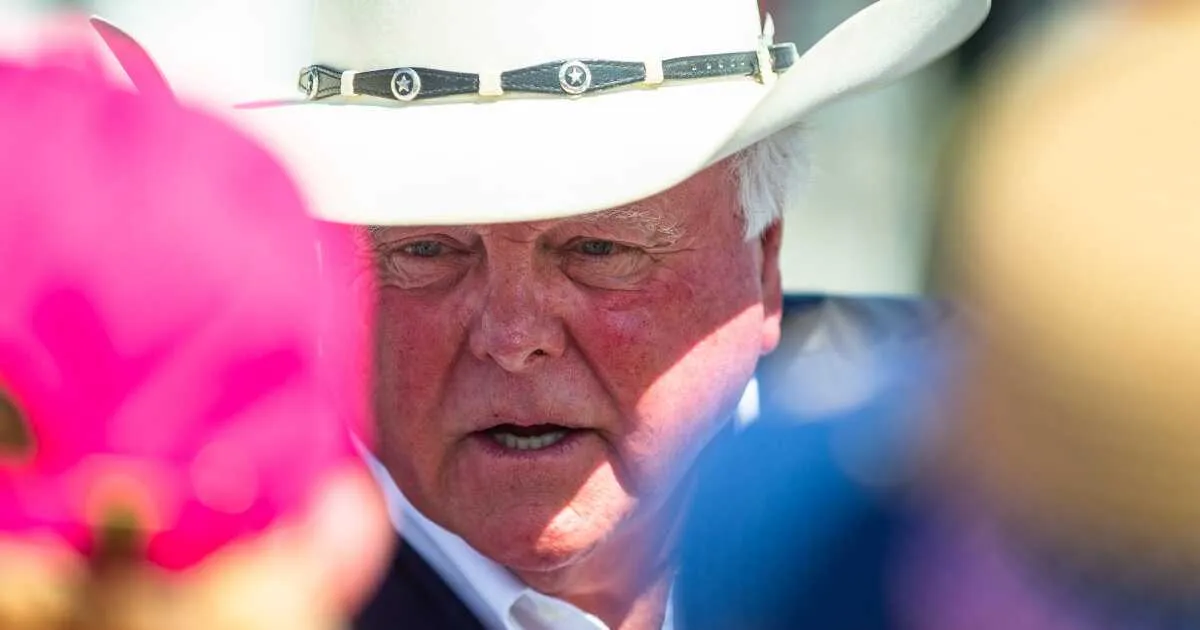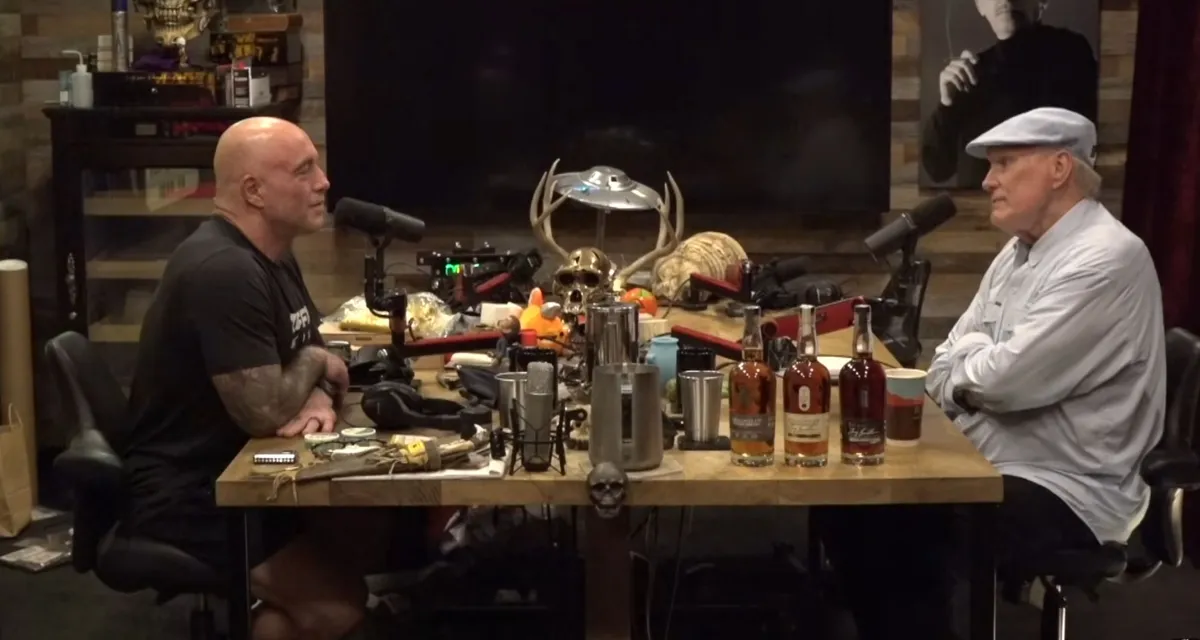
Hall of Fame quarterback Terry Bradshaw recently appeared on The Joe Rogan Experience, where a discussion about screwworms affecting cattle led to a conversation about ivermectin. Bradshaw, a cattle farmer himself, recalled his past comments criticizing Aaron Rodgers for his ambiguous "immunized" statement regarding COVID-19, noting that he had previously stated ivermectin is a "cattle dewormer." This recollection prompted Rogan to delve into the topic of ivermectin's use during the pandemic, a subject on which Rogan has expressed strong support.
The exchange underscored the complexities and often divergent viewpoints surrounding the antiparasitic drug, which was controversially promoted by some as a COVID-19 treatment. Bradshaw's perspective, rooted in his direct experience with the drug in veterinary medicine, contrasted with Rogan's advocacy, which touched upon claims of suppressed research and financial incentives behind COVID-19 vaccines. This dialogue, occurring on a widely popular podcast, brought these differing perspectives into public discourse, highlighting the persistent influence of misinformation surrounding public health measures.
Ivermectin: A Veterinary Staple Meets Public Health Debate
Terry Bradshaw's contribution to the ivermectin discussion stemmed from his practical background as a cattle farmer. He expressed confusion and skepticism regarding the use of ivermectin for human COVID-19 treatment, referencing its common application as a dewormer for livestock. This grounded perspective was evident when he recounted an encounter with a brain surgeon who claimed to take ivermectin. Bradshaw's internal conflict arose from reconciling the drug's established veterinary use with its purported human medicinal benefits for a novel virus. He stated, "Ivermectin, we used to give it to the cattle, right?" and later, "I thought I knew, but I didn’t know. But Ivermectin, we used to give it to the cattle, right?" This highlights a common disconnect between anecdotal evidence and rigorous scientific validation.
Joe Rogan, a vocal proponent of ivermectin, attempted to bridge this gap by explaining its origins and potential applications. He mentioned its Nobel Prize-winning discovery (though clarifying it was for the discovery of its efficacy against parasitic diseases, not specifically for COVID-19 treatment) and its development for human use. Rogan posited that the reluctance of some health authorities to endorse ivermectin for COVID-19 was driven by a desire to promote vaccination for financial gain rather than for genuine efficacy. This conspiracy-adjacent narrative, while popular in certain circles, lacks robust scientific backing from major health organizations.
Navigating Medical Advice and Personal Conviction
The conversation between Rogan and Bradshaw illuminated the tension between personal conviction and established medical guidance. Bradshaw, despite hearing Rogan's arguments about ivermectin's broader applications and alleged suppression, remained steadfast in his practical understanding. He questioned the drug's proven efficacy against COVID-19, asking, "But was it proven to stop [COVID-19]?" This fundamental query reflects the scientific consensus, as major health organizations like the FDA, CDC, EMA, and WHO have not found sufficient evidence to support ivermectin for COVID-19 treatment or prevention.
Bradshaw's personal stance was further solidified by his wife, who is a doctor. He stated, "I’m married to a doctor, and my doctor said, ‘We’re not taking [that].'" This personal connection to medical expertise reinforced his decision not to use the drug, contrasting with Rogan's willingness to explore and advocate for treatments outside the mainstream medical consensus. The exchange ultimately showcased how deeply held beliefs, whether based on practical experience or alternative information sources, can shape individual choices regarding health, even when they diverge from expert recommendations.
The Pervasiveness of Health Misinformation
The dialogue between Joe Rogan and Terry Bradshaw on ivermectin serves as a microcosm of the broader challenges posed by health misinformation. Rogan's platform, with its vast reach, often amplifies perspectives that question established medical and scientific narratives. In this instance, his promotion of ivermectin, despite the lack of strong clinical evidence for COVID-19, highlights how misinformation can spread through influential channels.
Bradshaw's reaction, oscillating between acknowledging Rogan's points and reverting to his common-sense veterinary application understanding, mirrors the confusion many experienced during the pandemic. The episode underscores the importance of critical thinking and reliance on credible sources when evaluating health information. The continued discussion around repurposed drugs like ivermectin, even when scientific consensus exists, demonstrates the enduring power of alternative narratives and the difficulty in combating widespread skepticism towards official health guidance.
Impact Analysis
The conversation on The Joe Rogan Experience involving Terry Bradshaw and the topic of ivermectin, while seemingly a casual discussion, has broader implications for public health communication and the spread of misinformation. Podcasts, due to their intimate format and often unscripted nature, can significantly influence public opinion. Rogan's platform, in particular, has been instrumental in disseminating various viewpoints, including those that challenge scientific consensus. This particular exchange, by bringing a respected former athlete and a prominent podcaster into dialogue about a controversial medical topic, amplifies narratives that question established health authorities and treatments.
The continued public engagement with ivermectin, despite scientific and regulatory bodies advising against its use for COVID-19, illustrates the persistent challenge of combating misinformation. It highlights how personal anecdotes, even when presented by well-meaning individuals, can be perceived as equally valid as peer-reviewed scientific data by a segment of the public. This can lead to a erosion of trust in public health institutions and a greater susceptibility to unproven or disproven medical interventions. The incident serves as a reminder for content strategists and health communicators about the need for clear, evidence-based information and proactive strategies to counter the spread of medical falsehoods, especially within the digital landscape.