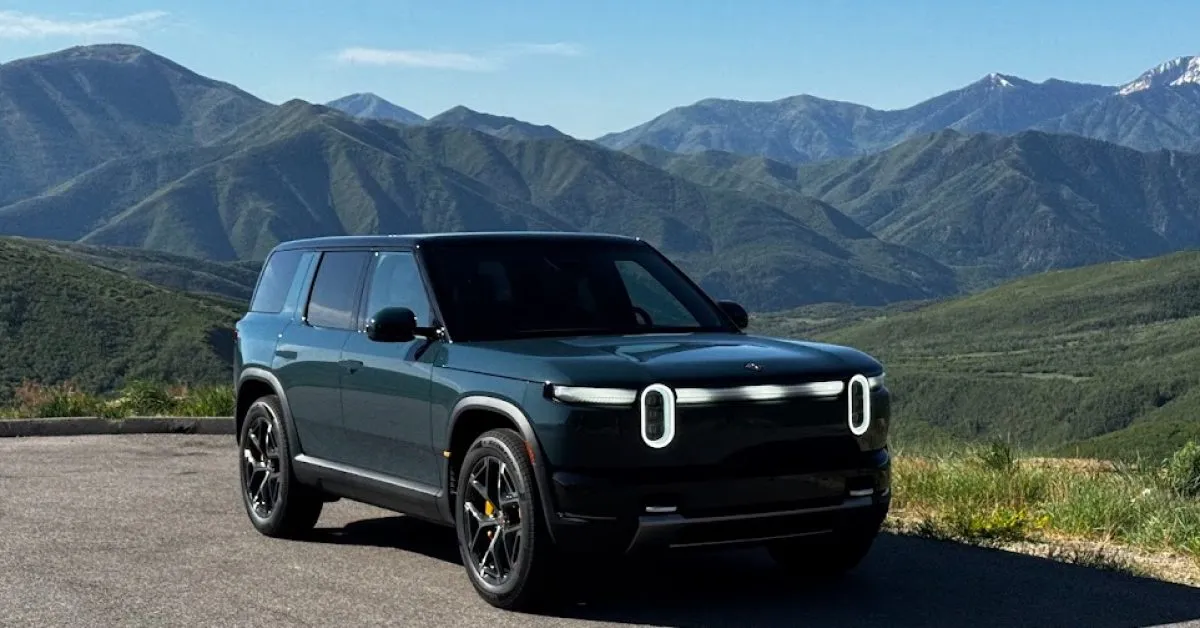
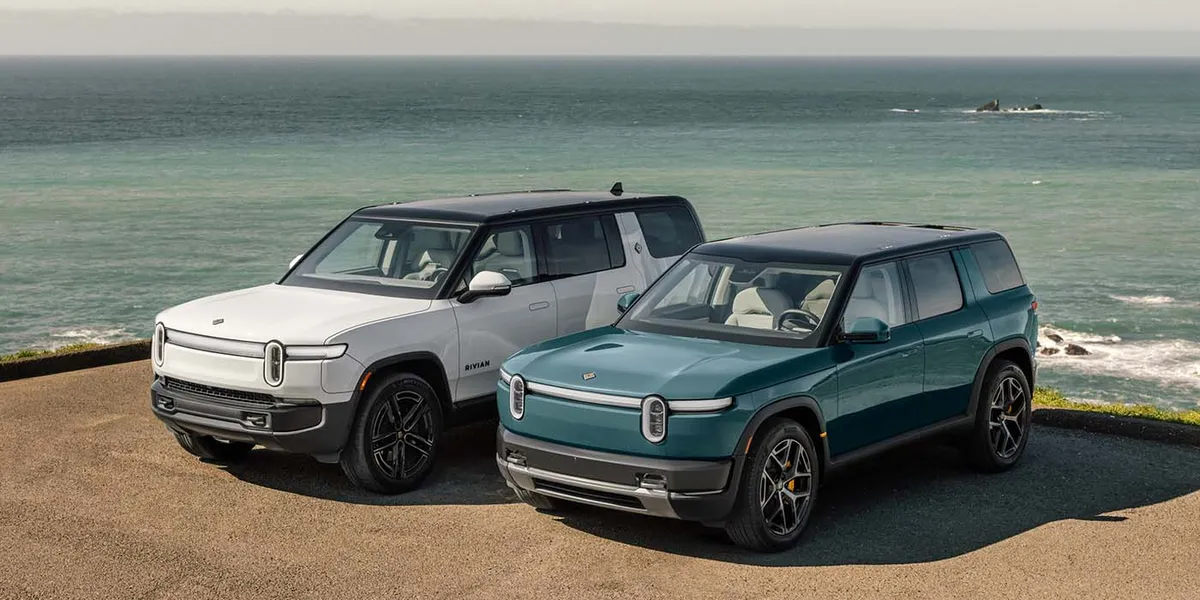
Rivian has officially begun deliveries of its highly anticipated R2, a $45,000 mass-market SUV designed to be the company's critical next step. After an extensive first drive in Park City, Utah, behind the wheel of a performance variant, it's clear that early customers are poised for a compelling experience, albeit with a few important considerations. The R2 shares a strong familial resemblance with its larger sibling, the R1S, adopting the distinctive oval headlights, a robust, boxy stance, and the signature adventurous ethos synonymous with the Rivian brand. However, it's been meticulously scaled down, shedding weight to approximately 5,000 pounds, becoming more compact in length and wheelbase, and featuring a smaller 88 kWh battery pack compared to the R1S's larger options. Notably, it accommodates two rows of seating, simplifying its layout for broader market appeal.
While the exterior modifications are subtle yet effective—such as the integration of antennas into the rear fascia and cleaner front-end styling—the R2's true advancements lie beneath the surface. It's engineered to surpass the R1 in key areas, not least of which is its accessible pricing. The R2 is slated to launch with an all-wheel-drive, premium configuration expected to hover around $55,000 after destination fees, positioning it strategically within a segment where competitors like Tesla often see average transaction prices exceeding $50,000. Rivian anticipates the AWD Premium version to be a strong seller, reflecting a market preference for enhanced features even at a slightly higher price point.
Rivian R2: A Deeper Dive into the Mass Market Contender
The R2's pricing structure offers various configurations, with the dual-motor AWD performance variant starting at $57,990, including a launch package. This model boasts an impressive 656 horsepower and 609 lb-ft of torque, achieving a rapid 0-60 mph acceleration in just 3.6 seconds, with an estimated EPA range of 330 miles. The Premium dual-motor AWD version, priced at $53,990, delivers 450 horsepower and 537 lb-ft of torque, with a 0-60 mph time of 4.6 seconds and a similar 330-mile range. For those prioritizing range, the standard RWD Long Range model, starting at $48,490, offers 350 horsepower and 355 lb-ft of torque, hitting 60 mph in 5.9 seconds and estimated at 345 miles. The base RWD Standard model, at a new introductory price of $44,900, aims for broad accessibility, though specific battery capacity and full range estimates are still pending for this trim.
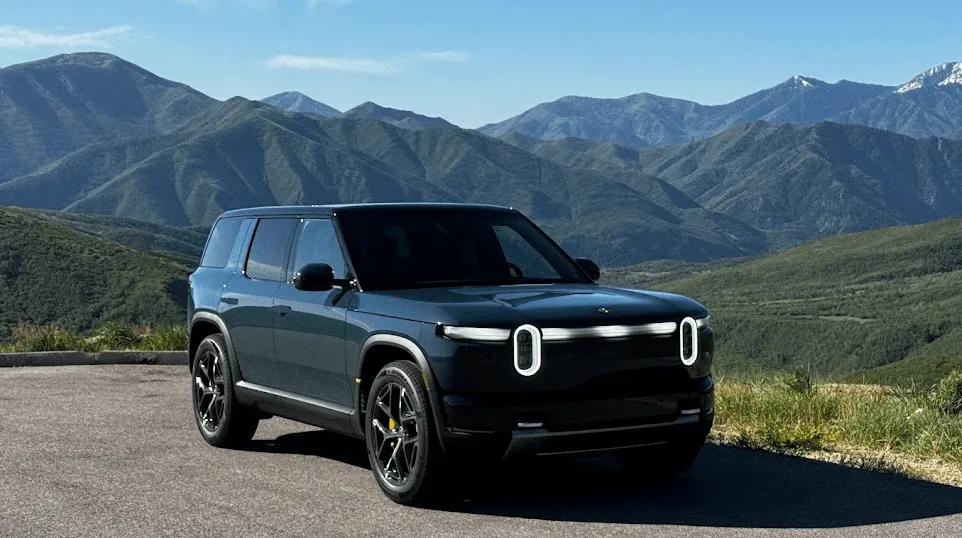
Beyond the specifications, the R2 offers a driving experience that genuinely feels more engaging and refined than its larger counterpart. The suspension tuning provides a firmer response in Sport mode, a balanced feel in All-Purpose, and a capable setup for off-road conditions, all while maintaining a sense of nimbleness thanks to the lighter chassis and battery. Acceleration in the Performance variant is particularly potent, especially in the crucial 40-75 mph range, making mountain driving and overtakes feel effortless. The vehicle's dimensions, including a length of 185.9 inches, a wheelbase of 115.6 inches, and a ground clearance of 9.6 inches, further contribute to its agile handling and off-road prowess, with a wading depth of 19.7 inches and approach/departure angles of 25° and 26°, respectively.
Dimensions and Capacity
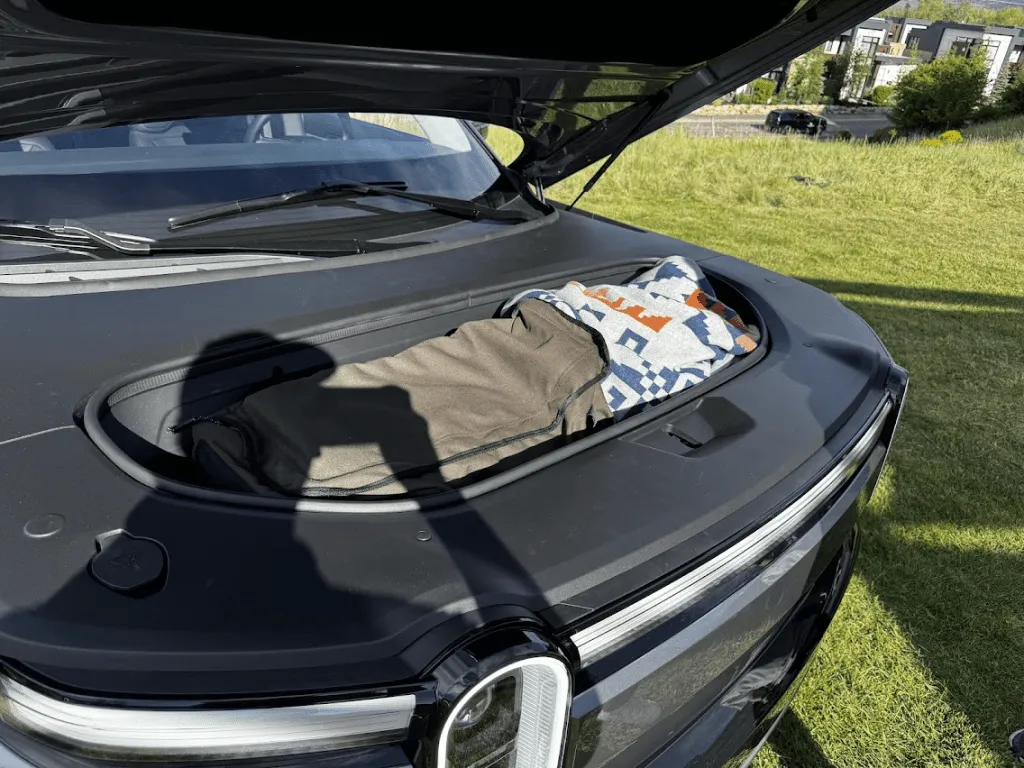
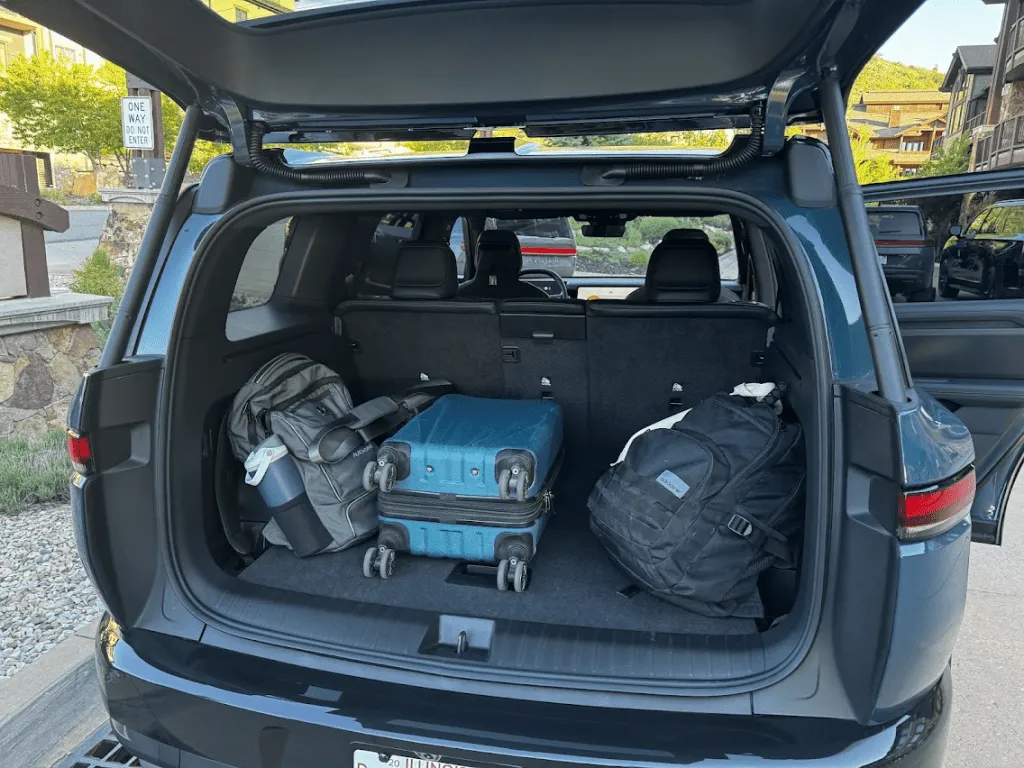
The Rivian R2 offers a comprehensive set of dimensions catering to both urban maneuverability and outdoor adventure. Its overall width, including mirrors, is 84.7 inches, tapering to 75.0 inches without them. The height stands at 66.9 inches. Inside, the R2 provides ample space with 40.9 inches of headroom in the first row and 40.4 inches in the second. Legroom is equally generous, with 41.4 inches up front and 40.4 inches in the rear. Total enclosed storage reaches 90.1 cubic feet, with 79.4 cubic feet available in the rear cargo area with the seats folded down, and 28.7 cubic feet behind the second row.
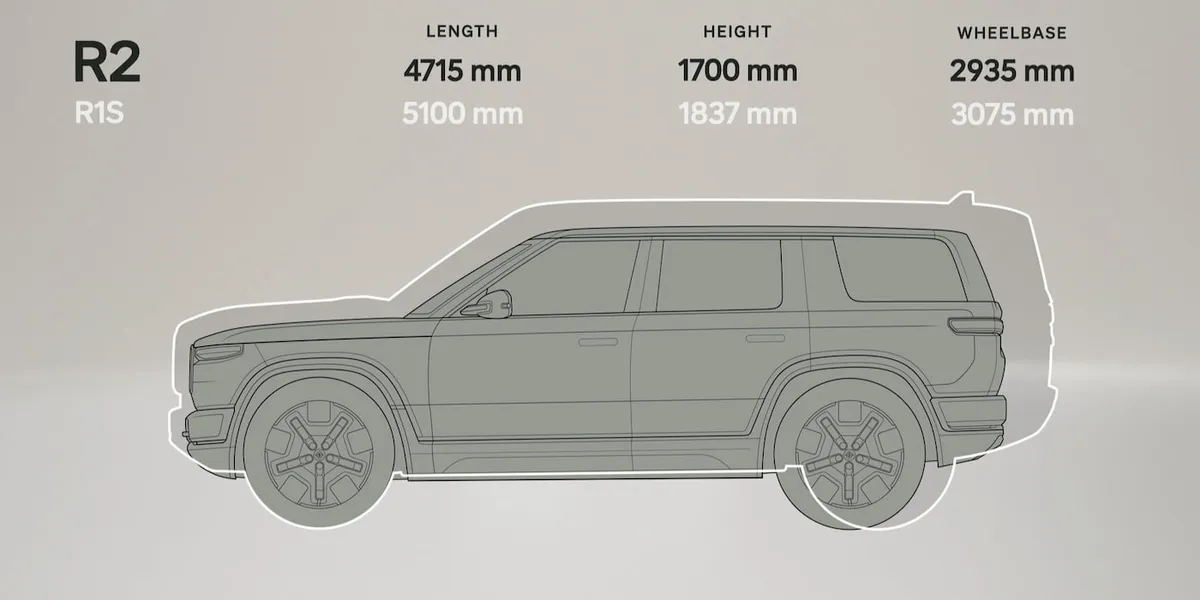
The vehicle's design thoughtfully incorporates practical features. The approach, departure, and breakover angles are optimized for off-road capability, measuring 25°, 26°, and 20.6°, respectively. This, combined with a substantial wading depth of 19.7 inches, ensures the R2 can handle challenging terrains and weather conditions confidently. The interior flexibility is enhanced by features like the second-row seats folding flat and the drop-down rear glass, a hallmark of Rivian's adventure-focused design philosophy.
Efficiency and Charging Capabilities
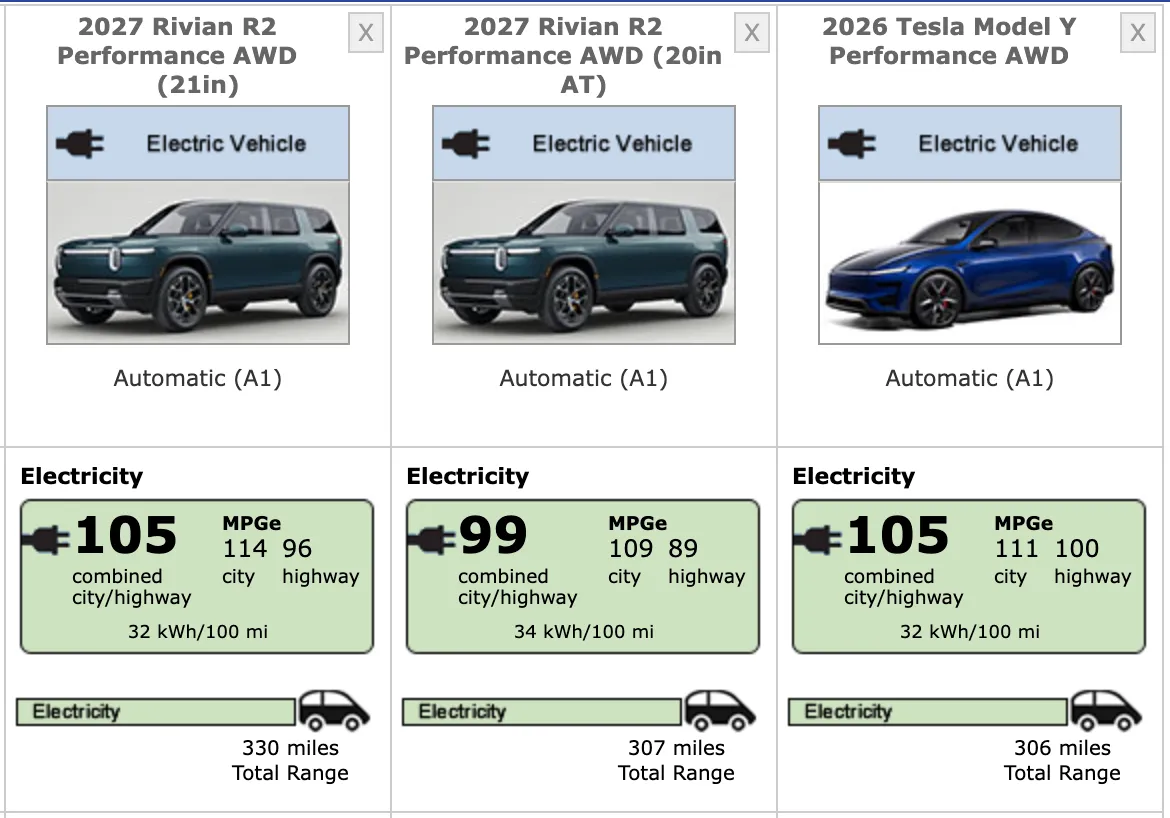
One of the most remarkable claims surrounding the R2 is its energy efficiency, which Rivian states rivals that of the Tesla Model Y, despite the R2's less aerodynamic profile and larger, more rugged tires. This efficiency is attributed to advanced battery management and powertrain optimization. Charging is also streamlined due to the smaller battery pack, reducing refill times. The R2 can accept DC fast charging up to 240 kW, with charging speeds remaining strong even above 50% state of charge. Rivian estimates a 10% to 80% charge can be completed in under 30 minutes, adding approximately 230 miles of range. While this is commendable for a 400V system, it falls short of the sub-20-minute times seen in 800V architectures like those found in Porsche or Hyundai vehicles, and significantly behind emerging ultra-fast charging technologies.
The implication for road trips is that while R2 charging stops will be faster than its R1 siblings, they will likely be longer than those required by competitors utilizing 800V architectures. This extended charging duration is a trade-off for the more accessible pricing and form factor of the R2. The vehicle's overall energy consumption, even with its less optimized aerodynamics, is a testament to Rivian's engineering efforts in balancing performance, utility, and efficiency for a broader consumer base.
Technological Advancements
Rivian is integrating a suite of next-generation technologies into the R2, focusing on driver assistance, in-cabin experience, and connectivity. The Rivian Autonomy+ hardware is standard across all trims, offering L2+ hands-free assisted driving capabilities on millions of miles of roads in the U.S. and Canada. This system is designed to evolve with over-the-air software updates, enhancing safety and driver assistance features continuously. A 60-day trial of Autonomy+ is included with all new R2 deliveries.
At the core of the R2's advanced interface is an AI powerhouse featuring 200 sparse TOPS of edge AI compute dedicated to the in-cabin experience. This enables features like the forthcoming Rivian Assistant, an in-vehicle voice assistant capable of managing complex tasks locally, even offline. The driver interface is further revolutionized by Haptic Halo Wheels, redesigned steering wheel controls that provide distinct tactile feedback for various functions, bridging the gap between digital commands and physical interaction. Complementing this are dual digital displays: a driver display for immediate road-relevant information and a central display for accessing deeper vehicle features and settings, all designed to maintain driver focus.
Interior Innovation and Software Integration
The R2's interior is designed for both functionality and modern aesthetics, featuring dual digital displays that offer intuitive control and access to vehicle features. The driver display provides critical information at a glance, while the central touchscreen handles infotainment, navigation, and system settings. Rivian's commitment to vertically integrated hardware and software development means the R2 will benefit from ongoing over-the-air (OTA) updates, enabling meaningful improvements and new features to be delivered directly to the vehicle. This streamlined electrical architecture is built for future expansion, accommodating evolving automotive technologies and user demands.
The commitment to user feedback is evident in the numerous refinements within Rivian's V2 software, which powers the R2's interface. While initial testing revealed a fast and efficient UI, minor glitches like GPS inaccuracies were noted, highlighting the ongoing development process. Wassym Bensaid and his team are actively incorporating user input to enhance the driver and passenger experience. This iterative approach ensures that the R2 remains a competitive and user-friendly vehicle throughout its lifecycle.
Open Questions: Autonomy and V2X
While Rivian has made significant strides, questions linger regarding its advanced driver-assistance systems and Vehicle-to-Everything (V2X) capabilities. Current Rivians offer traffic-aware cruise control, but the company has promised a future where the R2's hardware supports point-to-point navigation. For those seeking Level 3 autonomy, the wait continues for a future LiDAR-equipped version, slated for release late this year. This phased rollout strategy may be a hurdle for early adopters eager for the most advanced autonomous features.
Furthermore, Rivian's progress on V2X technology has been notably slow. Despite promises made since the R1S's debut, a concrete V2X product has yet to materialize. While the R2 is capable of outputting 11kW of AC power and includes an internal 110V AC outlet, the lack of a comprehensive V2G/V2H solution puts Rivian behind legacy automakers like Ford, whose F-150 Lightning has offered similar capabilities for years. The delay in delivering these crucial power-sharing features raises concerns about Rivian's commitment to this rapidly evolving area of EV technology, especially when compared to more affordable EVs already offering such functionality.
Impact Analysis
The Rivian R2 represents a pivotal moment for the electric vehicle manufacturer, aiming to transition from a niche luxury player to a significant force in the mass market. Its blend of performance, advanced technology, and a more accessible price point positions it as a direct competitor to established models like the Tesla Model Y. If Rivian can successfully navigate the complexities of mass production and deliver the R2 at scale and profitability, it could fundamentally alter the EV landscape, potentially cannibalizing sales from its own higher-end R1 models. The company's success hinges on its ability to overcome production hurdles and deliver on its ambitious technological promises, particularly in the crucial areas of autonomous driving and V2X integration, where competitors are making rapid advancements. The R2's ability to capture a significant share of the growing mid-size electric SUV market will be the ultimate determinant of Rivian's long-term viability and its impact on the broader automotive industry.