The concept of nutrient synergy, where the combined consumption of two or more nutrients yields greater physiological benefits than individual intake, is increasingly recognized in nutritional science. This principle highlights that certain food pairings can significantly enhance the body's ability to absorb and utilize essential vitamins and minerals. While a balanced and comprehensive diet remains the cornerstone of optimal health, understanding these synergistic relationships can provide an extra edge in maximizing nutritional value from everyday meals. This approach is not about single superfoods or supplements but rather about intelligent food combinations that support overall well-being.
Nutritional experts emphasize that no single food, combination, or supplement can effectively replace a consistently unbalanced diet. However, strategically pairing foods can improve the bioavailability and efficacy of certain nutrients. This article delves into several scientifically supported food combinations that amplify health benefits, drawing from research and expert insights to guide readers toward more effective nutrient absorption and utilization.
Enhancing Fat-Soluble Vitamin Absorption
Fat-soluble vitamins—A, D, E, and K—require dietary fats for optimal absorption. Even a small amount, approximately five to ten grams per meal, can significantly improve their uptake by the body. Foods rich in these vitamins, such as asparagus, spinach, carrots, Brussels sprouts, broccoli, and sweet potatoes, become even more beneficial when accompanied by sources of healthy fats.
Olive oil is a prime example of a healthy fat that facilitates the absorption of fat-soluble vitamins. Drizzling olive oil over cooked vegetables like asparagus, which is a good source of vitamin E, can enhance nutrient delivery. Similarly, incorporating nuts and seeds, like almonds, walnuts, flaxseeds, or sunflower seeds, into vegetable-heavy dishes provides beneficial fats alongside additional fiber and minerals. This synergy is crucial not only for dietary intake but also for supplements containing fat-soluble vitamins, which should ideally be consumed with a high-fat meal to maximize absorption.
Boosting Lycopene Bioavailability
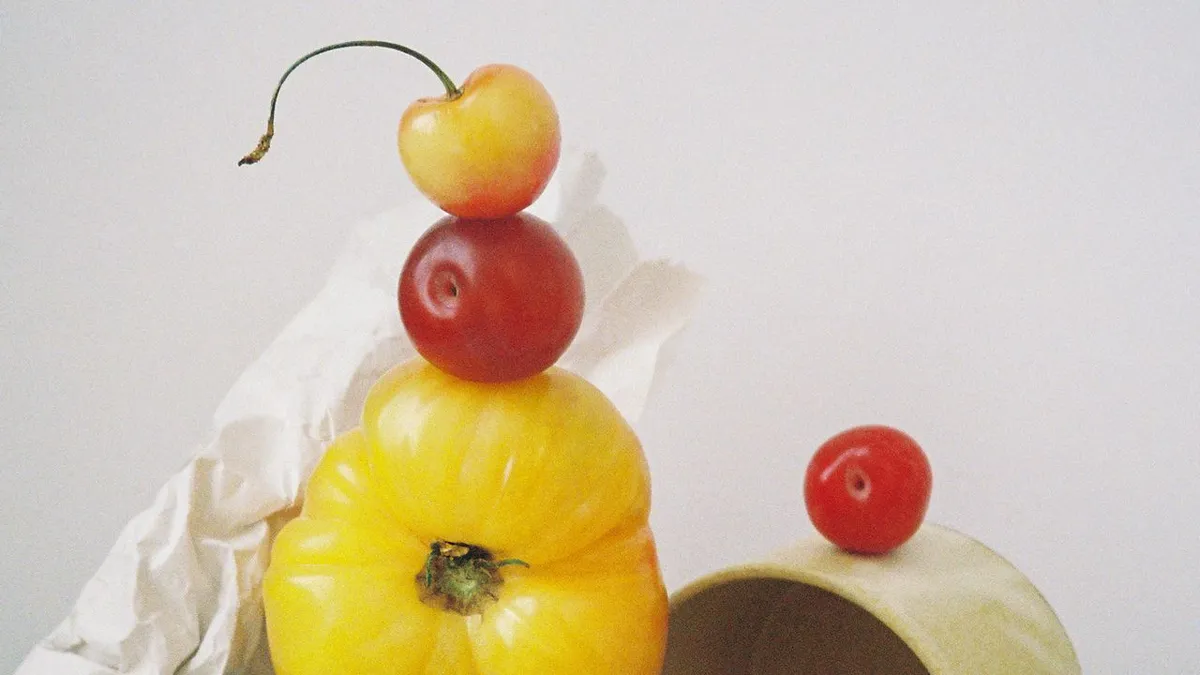
Tomatoes are a rich source of lycopene, a powerful antioxidant known for its anti-inflammatory properties and potential to reduce the risk of cardiovascular disease. However, the lycopene in raw tomatoes is not readily bioavailable. Research indicates that dietary fat significantly aids in the body's absorption of lycopene. Studies comparing lycopene absorption from salads with varying amounts of canola oil in the dressing demonstrated a positive correlation between increased oil content and higher absorption rates.
Beyond canola oil, other healthy fat sources, including avocados and nuts, also pair effectively with lycopene-rich foods like tomatoes. This synergistic pairing is particularly important for maximizing the health benefits associated with this potent phytonutrient, making dishes incorporating tomatoes with avocado or nuts a smart nutritional choice.
Supporting Collagen Production
Collagen, a fundamental protein comprising about 30% of the body's protein content, is essential for the health of skin, muscles, and various connective tissues. However, collagen production is a complex process that relies on more than just protein; it requires the synergistic action of specific nutrients. Vitamin C, for instance, plays a vital role in this process, acting as a cofactor in collagen synthesis.
Therefore, combining protein sources with vitamin C-rich foods can enhance collagen production. Examples of such beneficial pairings include Greek yogurt with berries, fish served with lemon juice, and legumes accompanied by peppers. These combinations ensure that the building blocks for collagen are readily available and that the enzymatic processes required for its synthesis are adequately supported, contributing to healthier skin and tissues.
Improving Non-Heme Iron Absorption
The absorption of non-heme iron, the form of iron found in plant-based foods, can be significantly enhanced when paired with vitamin C. Vitamin C aids in reducing non-heme iron to a more absorbable form, making it more accessible for the body to utilize. Legumes, such as lentils and beans, are excellent sources of non-heme iron.
When these iron-rich legumes are consumed with vitamin C-rich foods like tomatoes and peppers, the absorption of iron is notably improved. This synergistic pairing is especially beneficial for individuals following vegetarian or plant-based diets, who may rely more heavily on non-heme iron sources. Ensuring adequate iron intake through these smart food combinations can help prevent iron deficiency and support overall vitality.
Maximizing Turmeric's Anti-inflammatory Power
Turmeric is celebrated for its potent anti-inflammatory and antioxidant properties, largely attributed to its active compound, curcumin. However, curcumin's bioavailability is notoriously low, meaning the body struggles to absorb it effectively on its own. The key to unlocking turmeric's full potential lies in its combination with piperine, a compound found in black pepper.
Piperine significantly inhibits the rapid breakdown of curcumin in the digestive system, thereby dramatically increasing its bioavailability. Studies have shown that piperine can enhance curcumin absorption by up to 2,000%, leading to more pronounced anti-inflammatory effects, reduced oxidative stress, and improved cholesterol levels. Combining turmeric with freshly ground black pepper in culinary preparations is a simple yet highly effective strategy to harness its therapeutic benefits.
Synergy of Probiotics and Prebiotics for Gut Health
A healthy gut microbiome is fundamental to overall health, influencing everything from immune function to cognitive well-being. The symbiotic relationship between probiotics and prebiotics is crucial for maintaining this delicate balance. Probiotics are beneficial microorganisms, often found in fermented foods like yogurt and kefir, while prebiotics are non-digestible fiber compounds that serve as food for these beneficial bacteria.
Consuming probiotics and prebiotics together creates a synergistic effect that significantly benefits the gut microbiome. Foods like Greek yogurt, which provides probiotics, when paired with berries, which contain prebiotic fiber, offer a simple and delicious way to support gut health. This combination not only promotes a thriving gut environment but also contributes to other bodily functions, such as collagen production, highlighting the interconnectedness of nutritional synergies.