The National Highway Traffic Safety Administration (NHTSA) has identified a critical safety defect in a significant number of Hyundai vehicles, necessitating a widespread recall. The issue stems from a software glitch within the front camera system that can cause the forward collision-avoidance system to activate unexpectedly. This could result in sudden, unwarranted braking, significantly increasing the risk of rear-end collisions and other accidents.
Documentation from a safety recall report dated May 19 indicates that between October 2024 and April 2026, there were 376 reported instances of this unintended braking behavior. The affected software impacts a broad range of vehicles, spanning over 421,000 units manufactured by Hyundai since 2024. Owners of recent Hyundai purchases are advised to verify if their specific vehicle is included in this recall campaign.
Affected Hyundai Models and Production Years
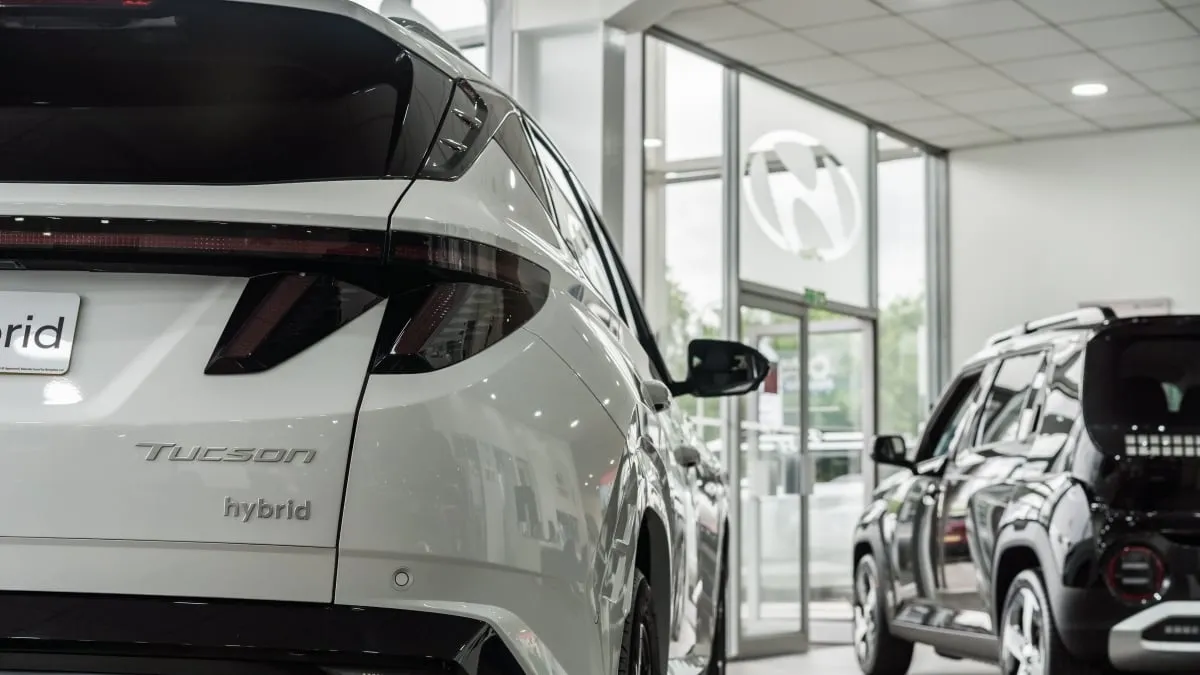
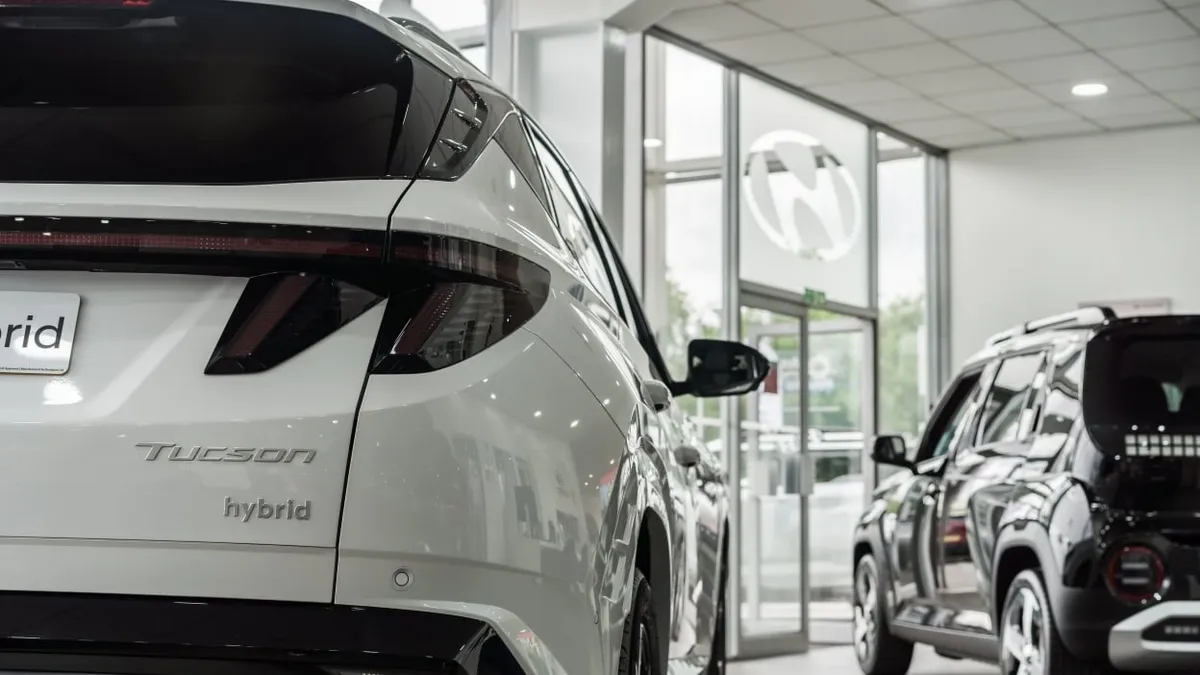
The recall specifically targets 2025 and 2026 model year Hyundai Santa Cruz and Tucson vehicles. This includes both their standard internal combustion engine variants and their hybrid configurations. Notably, the Hyundai Tucson Hybrid and Tucson Plug-In Hybrid models are also part of this extensive recall, highlighting the broad reach of the software vulnerability across different powertrain options within these popular lines.
Owners who possess vehicles within these affected model years should be particularly attentive to any official communications. The scope of the recall underscores Hyundai's commitment to addressing potential safety concerns proactively, even as the automotive industry faces ongoing challenges with recalls across various manufacturers.
Identifying a Recalled Vehicle
Owners of potentially affected Hyundai vehicles will receive official notification by mail from the NHTSA, with notices expected to be dispatched by July 17. For those seeking immediate confirmation or who have not yet received communication, the NHTSA offers a public recall database accessible via its official website, NHTSA.gov. By inputting a vehicle's unique Vehicle Identification Number (VIN) or its license plate number, owners can swiftly determine if their specific car is subject to this recall.
Beyond direct notification and database checks, owners have the option to visit any authorized Hyundai dealership. Service centers are equipped to perform the necessary software update that rectifies the dangerous glitch. This dealer-based solution ensures that all affected vehicles can be serviced efficiently, reinforcing the safety infrastructure for Hyundai customers.
Broader Industry Recall Landscape
The issues affecting Hyundai are part of a larger trend of automotive recalls. The NHTSA recently alerted drivers to 19 new vehicle recalls encompassing a wide array of major manufacturers, including Ford, Toyota, Tesla, Honda, and General Motors. These recalls address diverse safety concerns, indicating a period of heightened scrutiny and necessary adjustments across the automotive sector.
Beyond the Santa Cruz and Tucson lines, Hyundai is also recalling specific variants of its Elantra Hybrid (2024-2026 models) and its electric vehicles, the Ioniq 5 (2025 models) and Ioniq 9 (2026 models). This wide-ranging action across different vehicle types underscores the complexity of modern automotive systems and the critical importance of rigorous software validation and safety testing protocols.