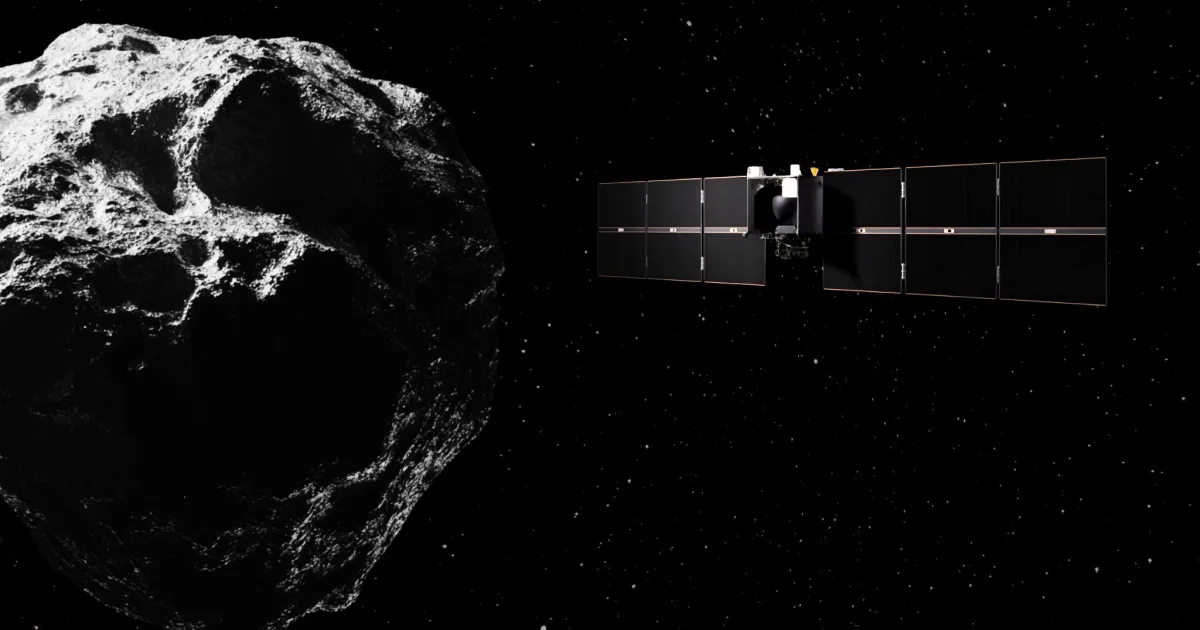
Recent astronomical observations have revealed that near-Earth asteroid 2022 OB5 is rotating at an astonishing speed, completing a full rotation in just 1.542 minutes. This classification as an "ultra-fast rotator" was determined using the HiPERCAM instrument attached to the Gran Telescopio Canarias in La Palma, Spain. The findings, published in the scientific journal Icarus, suggest that such rapid rotation may be a common characteristic among smaller, more accessible near-Earth asteroids, potentially complicating ambitious space mining endeavors.
The prospect of asteroid mining, once envisioned as a lucrative new frontier akin to a modern-day gold rush, has faced considerable hurdles. Several high-profile companies in the sector have encountered significant setbacks, with some, like Planetary Resources, ceasing operations and others, such as Deep Space Industries, pivoting their strategies. The discovery of prevalent ultra-fast rotation among potentially mineable asteroids introduces another substantial challenge for the nascent industry, demanding new technological solutions and careful mission planning.
Investigating Asteroid 2022 OB5
Space mining ventures have long promised to unlock immense extraterrestrial resources, far exceeding Earth's finite supplies. However, the practical realization of these ambitions has proven more complex than initially anticipated. The historical performance of prominent space mining firms underscores the difficulties inherent in this field, highlighting the gap between ambitious projections and operational realities.
Astroforge, a startup actively pursuing its space mining objectives, had identified 2022 OB5 as a prime target due to its apparent metallic composition and low delta-v, indicating accessibility through relatively fuel-efficient maneuvers. This particular asteroid was estimated to hold enough precious metals to supply Earth for two centuries. Unfortunately, the company's initial attempt to conduct a close-up analysis of 2022 OB5 with its Odin spacecraft ended in failure after contact was lost post-launch.
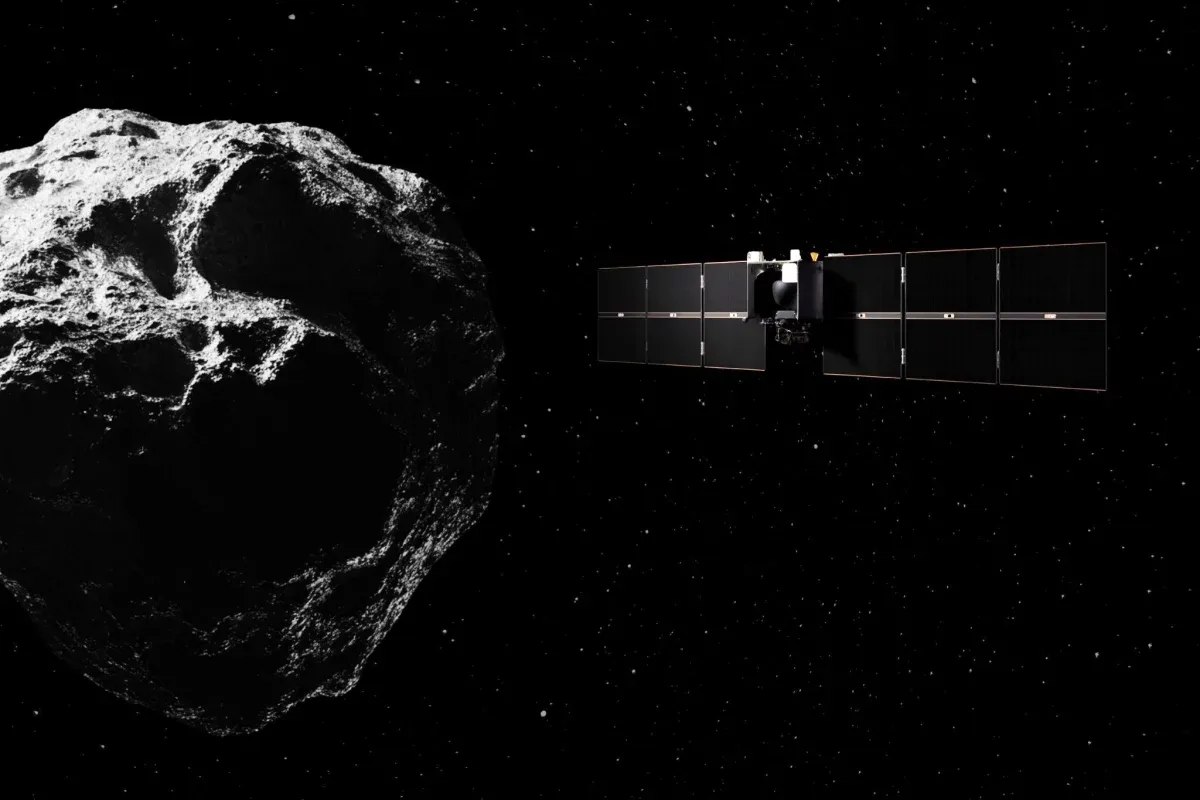
The recent discovery concerning the rapid rotation of 2022 OB5 and similar celestial bodies could significantly impact future mission designs for space mining. Understanding the physical properties of asteroids, particularly their rotational dynamics, is becoming increasingly critical for the success of any extraction or sampling operations.
Extreme Rotational Speeds Present Mining Obstacles
The study, led by Miguel R. Alarcon, initially focused on assessing the observational capabilities of the HiPERCAM instrument. While Astroforge's interest in 2022 OB5 added to its appeal, the primary scientific objective was to test the advanced camera system. HiPERCAM's ability to capture images at over 1,000 frames per second across five different spectral bands simultaneously provided crucial data for analyzing faint and fast-moving celestial objects like asteroids.
Leveraging the light-gathering power of the 10.4-meter Gran Telescopio Canarias, HiPERCAM enabled the research team to measure both the rotation rate and surface characteristics of 2022 OB5 concurrently. This simultaneous data acquisition is a significant advantage, given the limited observation windows available for such distant objects. The X-complex classification of 2022 OB5 supports the hypothesis that it is metallic, further enhancing its potential value for resource extraction.
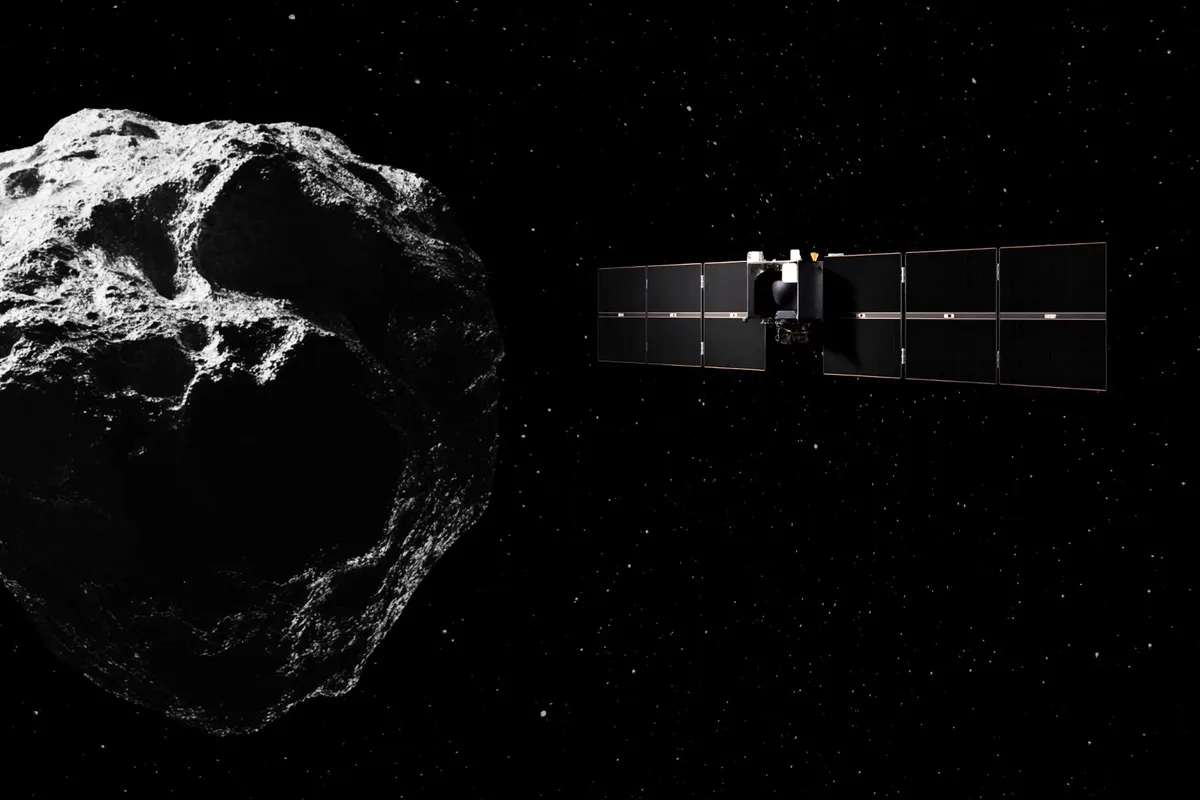
Crucially, the observations revealed that the centrifugal acceleration at the equator of 2022 OB5 is approximately 100 times the gravitational force that would typically hold an object on its surface. This extreme rotational velocity poses a direct threat to the feasibility of surface operations for space mining companies relying on current technological capabilities.
Implications for Space Exploration and Resource Utilization
While the research team's primary goal was not to evaluate 2022 OB5 for mining purposes, Alarcon acknowledges the profound implications of their findings for the space mining sector. Asteroids like 2022 OB5 are attractive targets due to their accessibility, but their physical characteristics, especially their rotation states, must be thoroughly understood to ensure mission success. The high centrifugal forces generated by such rapid rotation could prevent spacecraft from maintaining a stable connection to the asteroid's surface.
Alarcon emphasized that a spacecraft attempting to land or anchor on an object rotating as rapidly as 2022 OB5 would face immense challenges in staying attached. Without advanced anchoring systems, there is a significant risk of the spacecraft being repelled or ejected back into space. This highlights the necessity of comprehensive physical characterization, beyond mere orbital accessibility, before committing to costly mining or sampling missions.
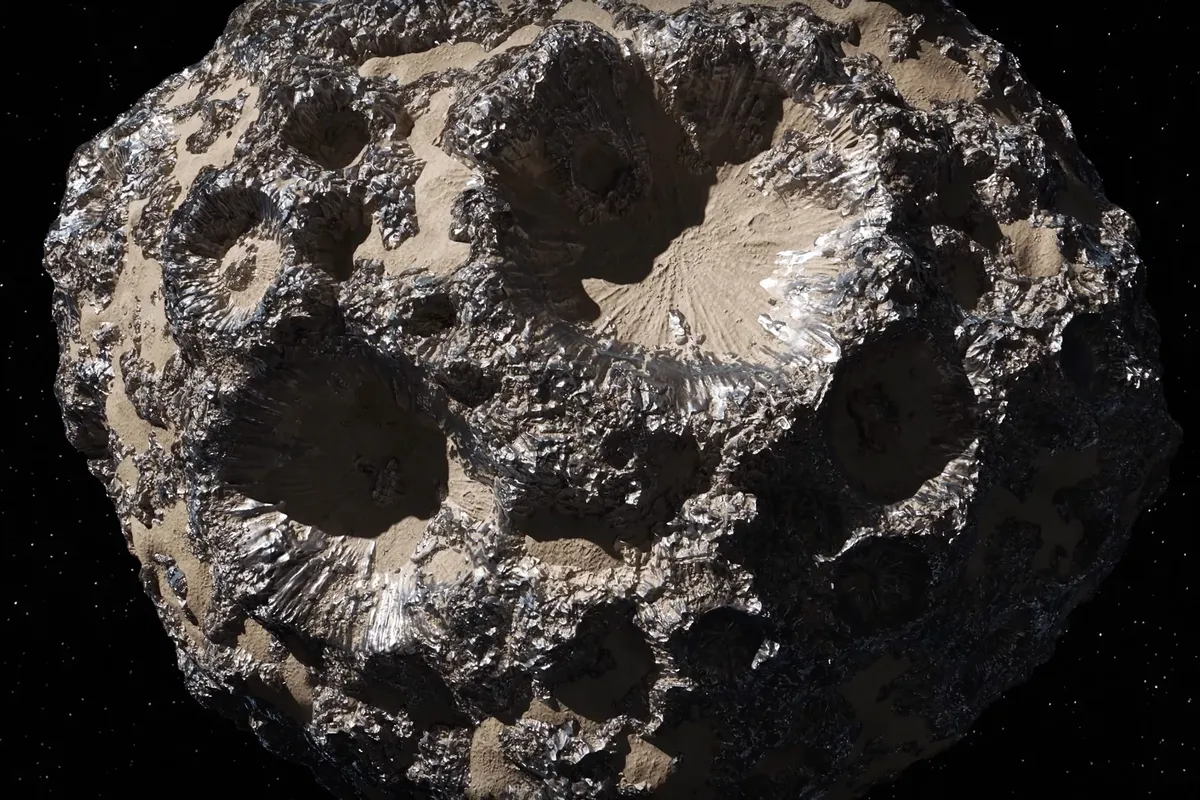
In response to these challenges, Astroforge's CEO, Matt Gialich, stated that the company has developed a proprietary magnetic anchoring system designed to counteract the centrifugal forces. He asserted that their method can secure the spacecraft with a force exceeding the outward push from the asteroid's rotation. Despite the previous setback with the Odin spacecraft, Astroforge plans to proceed with a new mission, DeepSpace-2, later this year. While the specific target for this mission remains undisclosed, Gialich indicated that numerous other asteroids are being characterized for potential future endeavors.