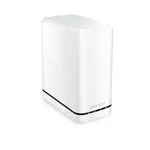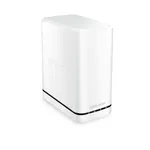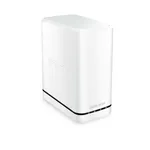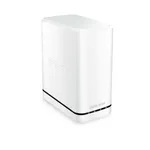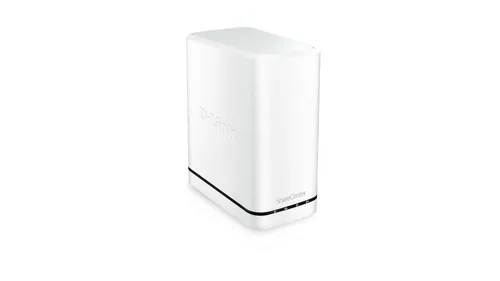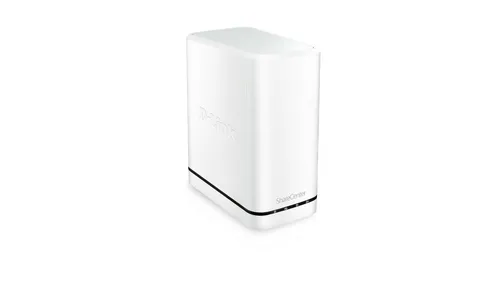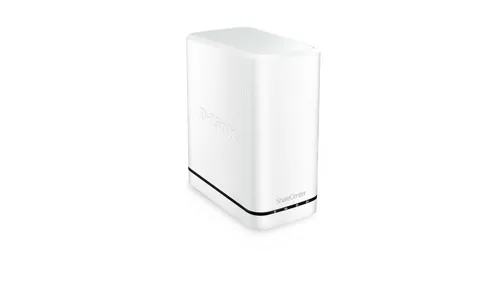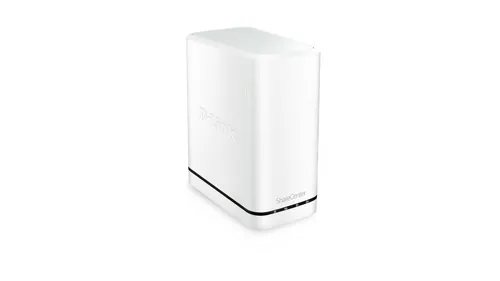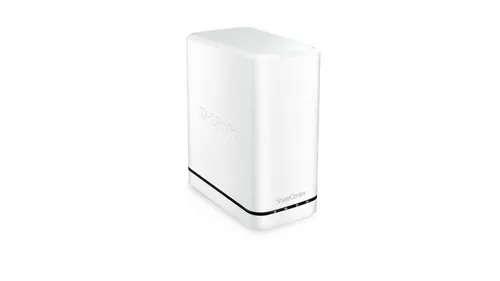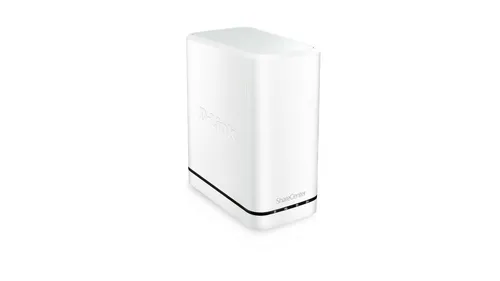


D-Link DNS-320LW 2-Bay Personal Cloud NAS
Specifications
Performance
Performance
| Built-in storage media |
Yes
63% have it
|
|---|---|
| Internal storage capacity |
6
TB
57% better than others
|
| Storage media |
HDD
|
| Number of storage drives installed |
2
|
| File format system |
FAT32/NTFS
|
Ports & interfaces
Ports & interfaces
| Ethernet LAN |
Yes
83% have it
|
|---|---|
| Ethernet LAN data rates |
10,100,1000 Mbit/s
|
| USB connectivity |
Yes
77% have it
|
| USB 2.0 ports quantity |
1
|
Design
Design
| Product colour |
White
|
|---|
Weight & dimensions
Weight & dimensions
| Width |
90
mm
25% better than others
|
|---|---|
| Depth |
144.3
mm
75% better than others
|
| Height |
193.3
mm
40% better than others
|
Certificates
Certificates
| Digital Living Network Alliance (DLNA) certified |
Yes
57% have it
|
|---|
Disclaimer: Information on this page may need review. If you notice any discrepancies, please report them

The D-Link DNS-320LW represents a foray into personal cloud storage solutions, designed to offer users a centralized hub for their digital assets. This 2-bay Network Attached Storage (NAS) device aims to bridge the gap between simple external hard drives and more complex server setups, providing a platform for file sharing, backup, and remote access. Its core functionality revolves around housing two hard drives, which can be configured in various RAID modes to balance performance, capacity, and data redundancy, making it a versatile option for home users and small businesses seeking to manage their growing data needs.
While positioned as a personal cloud solution, the DNS-320LW's capabilities are dictated by its hardware specifications and the accompanying software suite. The integration of a web-based interface allows for straightforward management, enabling users to set up shared folders, manage user accounts, and monitor the health of their storage. The inclusion of features like remote access and media streaming further enhances its utility, transforming it from a mere storage box into a more dynamic digital hub. However, understanding the limitations inherent in its design, particularly concerning processing power and advanced functionalities compared to higher-end NAS units, is crucial for setting realistic expectations.
Key Features and Market Positioning
The DNS-320LW is built around a dual-bay architecture, supporting 3.5-inch SATA hard drives. This allows for a maximum raw storage capacity determined by the largest drive supported, which can be aggregated using RAID 0 for performance, RAID 1 for mirroring and redundancy, or JBOD (Just a Bunch Of Disks) for simple capacity pooling. The device connects to the network via a Gigabit Ethernet port, ensuring adequate transfer speeds for most home and small office environments.
Ease of Use and Accessibility
D-Link typically emphasizes user-friendliness, and the DNS-320LW is no exception. The setup process is generally guided, and the web interface provides access to essential functions. Features such as built-in FTP server capabilities and the potential for UPnP media streaming allow users to access their files and media libraries from other devices on the local network or even remotely, provided the necessary network configuration is in place. This accessibility is a cornerstone of its personal cloud appeal, offering a degree of convenience that standalone external drives cannot match.
Pros & Cons
Pros
What we love about this product
- Dual-Bay Storage Flexibility: Supports two 3.5-inch SATA drives, allowing for configurations like RAID 1 for data redundancy or RAID 0 for increased performance.
- Gigabit Ethernet Connectivity: Ensures high-speed data transfer rates for efficient file access and backups over the local network.
- Web-Based Management Interface: Provides a user-friendly platform for setup, configuration, and monitoring of the NAS device and its storage.
- Personal Cloud Features: Offers capabilities for remote access and potential media streaming, enhancing accessibility of stored data.
Cons
Points to consider before buying
- Limited Processing Power: Likely lacks the robust CPU necessary for demanding tasks such as heavy media transcoding or running multiple applications simultaneously.
- Basic Feature Set: Compared to enterprise-grade or higher-tier consumer NAS devices, the feature set may be less extensive, lacking advanced backup options or sophisticated cloud synchronization.
- Potential for Slower Remote Access: Remote access performance is heavily dependent on the user's internet upload speed and may not be as seamless as dedicated cloud services.