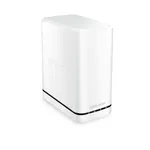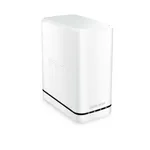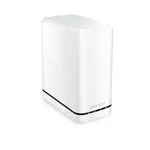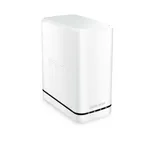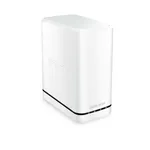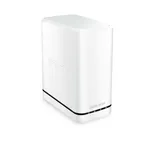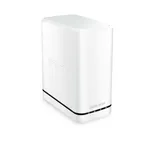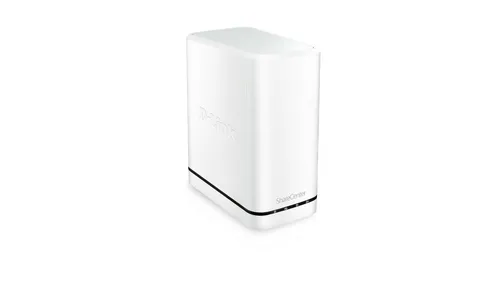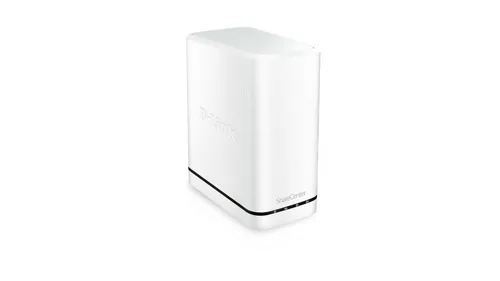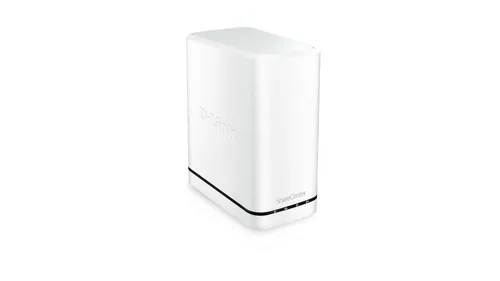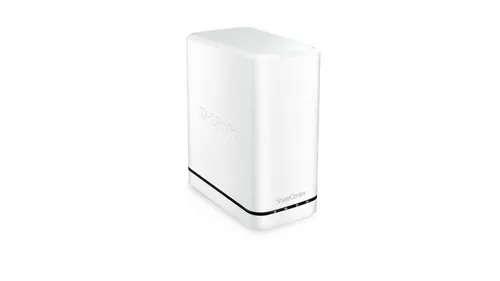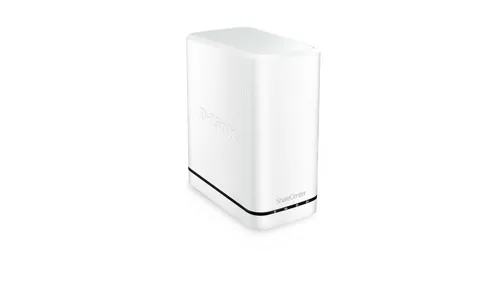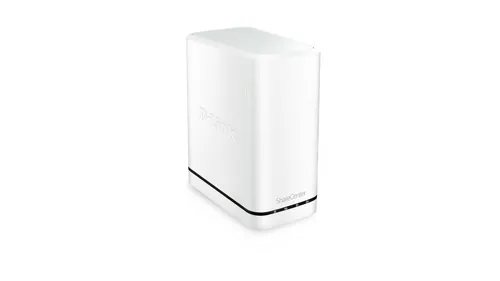


D-Link DNS-320LW 2-Bay Personal Cloud NAS
Specifications
Performance
Performance
| Built-in storage media |
Yes
90% have it
|
|---|---|
| Internal storage capacity |
8
TB
35% better than others
|
| Storage media |
HDD
|
| Number of storage drives installed |
2
|
| File format system |
FAT32/NTFS
|
Ports & interfaces
Ports & interfaces
| Ethernet LAN |
Yes
94% have it
|
|---|---|
| Ethernet LAN data rates |
10,100,1000 Mbit/s
|
| USB connectivity |
Yes
91% have it
|
| USB 2.0 ports quantity |
1
|
Design
Design
| Product colour |
White
|
|---|
Weight & dimensions
Weight & dimensions
| Width |
90
mm
33% better than others
|
|---|---|
| Depth |
144.3
mm
34% better than others
|
| Height |
193.3
mm
38% better than others
|
Certificates
Certificates
| Digital Living Network Alliance (DLNA) certified |
Yes
65% have it
|
|---|
Disclaimer: Information on this page may need review. If you notice any discrepancies, please report them

The D-Link DNS-320LW represents a foray into personal cloud storage solutions, aiming to offer users a centralized hub for their digital assets accessible both locally and remotely. Designed with simplicity and affordability in mind, this 2-bay NAS device allows for the installation of two hard drives, enabling users to aggregate storage capacity and implement basic data redundancy through RAID configurations. Its primary appeal lies in providing an alternative to relying solely on public cloud services, offering greater control over data privacy and potentially lower long-term costs, especially for users with substantial data archives.
While not positioned as a powerhouse for demanding enterprise workloads, the DNS-320LW targets home users and small businesses seeking a straightforward method for backing up computers, streaming media, and sharing files across a network. Its feature set, while perhaps modest compared to higher-end competitors, focuses on core NAS functionalities. The inclusion of a personal cloud component suggests an emphasis on remote access, a critical feature for modern digital lifestyles where data needs to be available on the go. Evaluating its place in the market requires understanding its target audience and its ability to competently fulfill essential NAS roles without overcomplicating the user experience.
Pros & Cons
Pros
What we love about this product
- Dual-Bay Storage: Supports two 3.5-inch SATA hard drives, allowing for flexible capacity expansion and RAID 1 mirroring for data redundancy.
- Remote Access Capability: Enables users to access and manage their stored files from any internet-connected device, facilitating a true personal cloud experience.
- DLNA Media Server: Built-in DLNA support allows for easy streaming of media files (photos, music, videos) to compatible devices like smart TVs and game consoles.
- Cost-Effective Solution: Offers a budget-friendly entry point into Network Attached Storage for home users and small offices.
Cons
Points to consider before buying
- Limited Processing Power: The specifications do not detail a high-performance CPU, suggesting it may struggle with intensive tasks like simultaneous large file transfers or media transcoding.
- Basic Feature Set: Lacks advanced features found in more premium NAS devices, such as robust virtualization support, integrated download clients, or extensive app ecosystems.
- Potential for Slower Performance: Without specific details on network interfaces beyond standard Ethernet, high-speed data transfer capabilities might be constrained compared to devices with 10GbE ports.