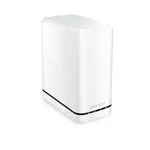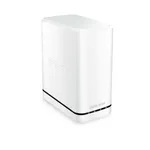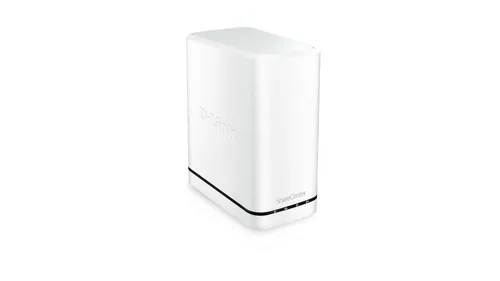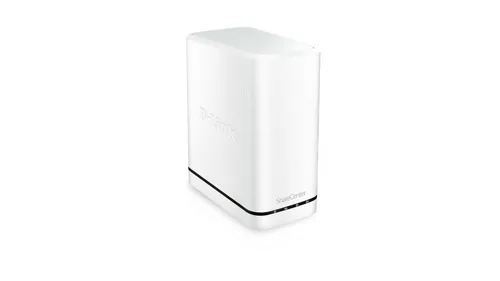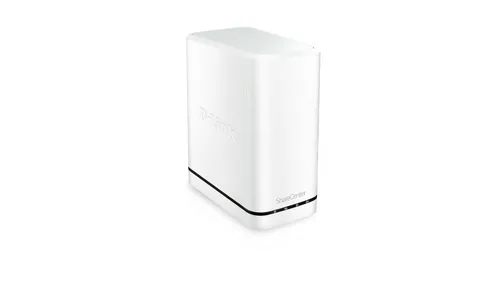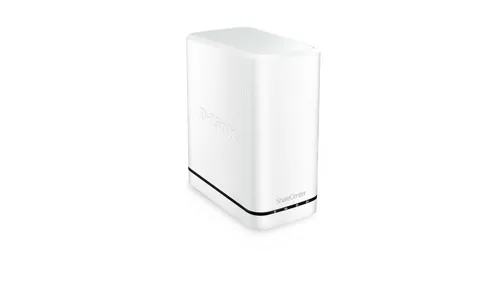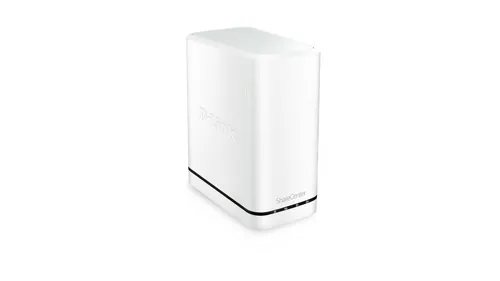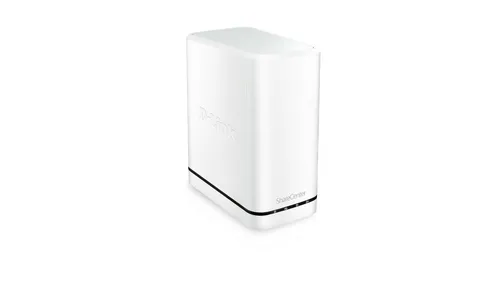


D-Link DNS-320LW 2-Bay Personal Cloud NAS
Specifications
Performance
Performance
| Built-in storage media |
Yes
94% have it
|
|---|---|
| Internal storage capacity |
6
TB
46% better than others
|
| Storage media |
HDD
|
| Number of storage drives installed |
2
|
| File format system |
FAT32/NTFS
|
Ports & interfaces
Ports & interfaces
| Ethernet LAN |
Yes
60% have it
|
|---|---|
| Ethernet LAN data rates |
10,100,1000 Mbit/s
|
| USB connectivity |
Yes
58% have it
|
| USB 2.0 ports quantity |
1
|
Design
Design
| Product colour |
White
|
|---|
Weight & dimensions
Weight & dimensions
| Width |
90
mm
39% better than others
|
|---|---|
| Depth |
144.3
mm
54% better than others
|
| Height |
193.3
mm
70% better than others
|
Certificates
Certificates
| Digital Living Network Alliance (DLNA) certified |
Yes
77% have it
|
|---|
Disclaimer: Information on this page may need review. If you notice any discrepancies, please report them

The D-Link DNS-320LW represents a straightforward entry point into the realm of personal cloud storage, offering a compact and accessible solution for home users looking to centralize their digital media and important files. Designed with simplicity in mind, this 2-bay Network Attached Storage (NAS) device allows for the installation of up to two hard drives, enabling users to configure their storage capacity according to their needs, whether for backing up photos, streaming videos, or sharing documents across a home network. Its integration with D-Link's cloud services aims to provide remote access capabilities, bridging the gap between local storage and the convenience of cloud accessibility.
While not positioned as a powerhouse for demanding enterprise workloads, the DNS-320LW carves out its niche by focusing on core NAS functionalities and ease of use for the average consumer. The inclusion of a built-in backup utility and the potential for RAID configurations (though specific RAID levels are not detailed in the base specs, the 2-bay nature implies at least RAID 0 and 1 support) offer a degree of data redundancy and protection. Its appeal lies in its ability to consolidate data, provide a central hub for media streaming to connected devices, and offer a more controlled alternative to public cloud storage subscriptions, all within a relatively compact form factor.
Pros & Cons
Pros
What we love about this product
- Dual-Bay Storage Flexibility: Accommodates up to two hard drives, allowing for scalable storage solutions and potential RAID configurations for data redundancy (RAID 0, 1 implied).
- Personal Cloud Functionality: Enables remote access to files and media from outside the home network, offering a private alternative to public cloud services.
- Integrated Backup Solutions: Features built-in backup software to automate the protection of important data from connected computers.
- Media Streaming Capabilities: Can serve as a central media server, allowing DLNA-compatible devices on the network to stream stored content.
Cons
Points to consider before buying
- Limited Advanced Features: Lacks the extensive app ecosystem and advanced performance tuning options found in higher-end NAS devices.
- Interface Simplicity: While user-friendly, the interface may be too basic for power users accustomed to more granular control and detailed system monitoring.
- Hardware Specifications: Specific CPU and RAM details are not provided, suggesting it's geared towards basic operations rather than heavy multitasking or intensive applications.