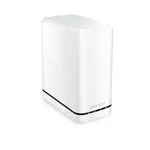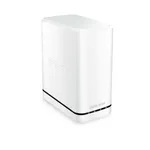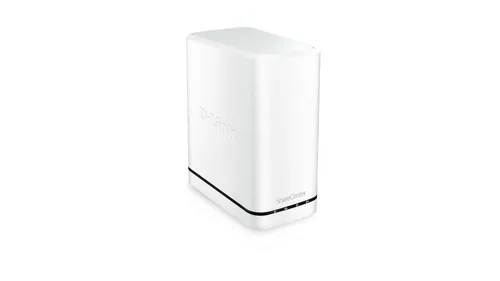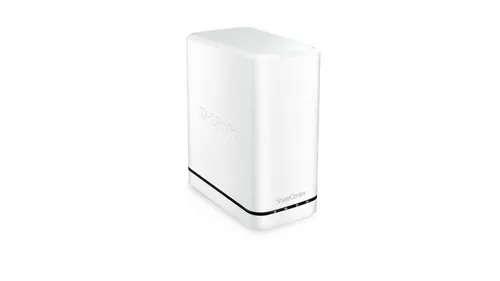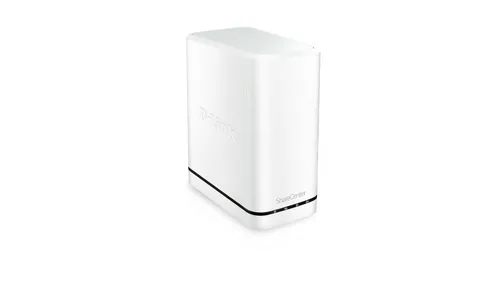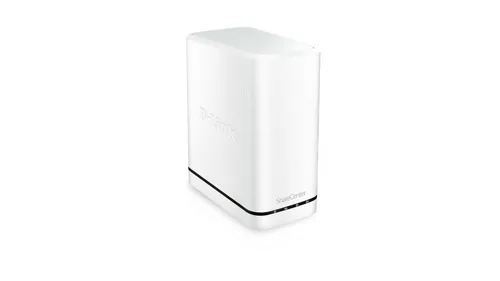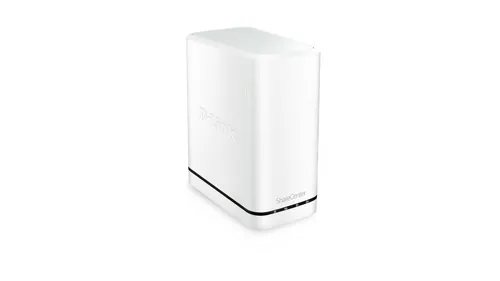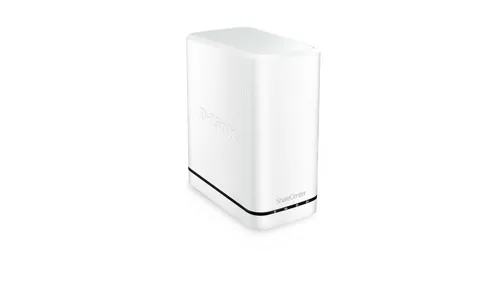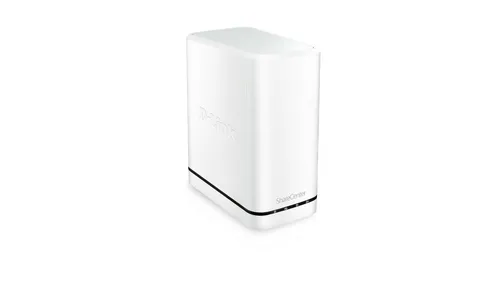


D-Link DNS-320LW 2-Bay Personal Cloud NAS
Specifications
Performance
Performance
| Built-in storage media |
Yes
60% have it
|
|---|---|
| Internal storage capacity |
8
TB
72% better than others
|
| Storage media |
HDD
|
| Number of storage drives installed |
2
|
| File format system |
FAT32/NTFS
|
Ports & interfaces
Ports & interfaces
| Ethernet LAN |
Yes
70% have it
|
|---|---|
| Ethernet LAN data rates |
10,100,1000 Mbit/s
|
| USB connectivity |
Yes
88% have it
|
| USB 2.0 ports quantity |
1
|
Design
Design
| Product colour |
White
|
|---|
Weight & dimensions
Weight & dimensions
| Width |
90
mm
88% better than others
|
|---|---|
| Depth |
144.3
mm
67% better than others
|
| Height |
193.3
mm
87% better than others
|
Certificates
Certificates
| Digital Living Network Alliance (DLNA) certified |
Yes
86% have it
|
|---|
Disclaimer: Information on this page may need review. If you notice any discrepancies, please report them

The D-Link DNS-320LW represents a straightforward entry point into personal cloud storage, designed for users seeking to centralize their digital media and files for easy access both within their home network and remotely. While not the most feature-rich or performance-oriented device on the market, its core functionality addresses the fundamental need for secure, accessible storage. This 2-bay NAS allows for flexible drive configurations, including RAID 0 for performance or RAID 1 for data redundancy, offering a degree of protection for your valuable data.
Understanding the DNS-320LW's place in the market requires acknowledging its target audience: individuals or small households prioritizing simplicity and cost-effectiveness over advanced enterprise-level features. Its integration with D-Link's cloud services aims to simplify remote access, a crucial aspect for modern users who want their files available on the go. However, potential buyers should carefully consider the specifications to ensure they align with their specific storage and performance expectations, particularly when compared to more powerful, albeit more expensive, multi-bay NAS solutions.
Pros & Cons
Pros
What we love about this product
- Dual Drive Bays: Supports two 3.5-inch SATA hard drives, offering flexibility for storage capacity and data protection (RAID 0, RAID 1).
- Remote Access Capability: Allows users to access files and stream media from outside their home network via D-Link's cloud services.
- Built-in Media Server: Integrates DLNA functionality, enabling streaming of media content to compatible devices like smart TVs and game consoles.
- User-Friendly Interface: Generally designed with a straightforward setup and management interface for basic NAS operations.
Cons
Points to consider before buying
- Limited Performance: Typically equipped with a less powerful processor and lower RAM compared to higher-end NAS devices, potentially impacting large file transfers and simultaneous user performance.
- Basic Feature Set: Lacks advanced features found in premium NAS units, such as extensive app ecosystems, robust virtualization support, or high-speed networking (e.g., 10GbE).
- Reliance on D-Link Cloud: Remote access functionality is dependent on D-Link's cloud infrastructure, which may be a concern for users prioritizing complete data control or concerned about third-party service dependency.