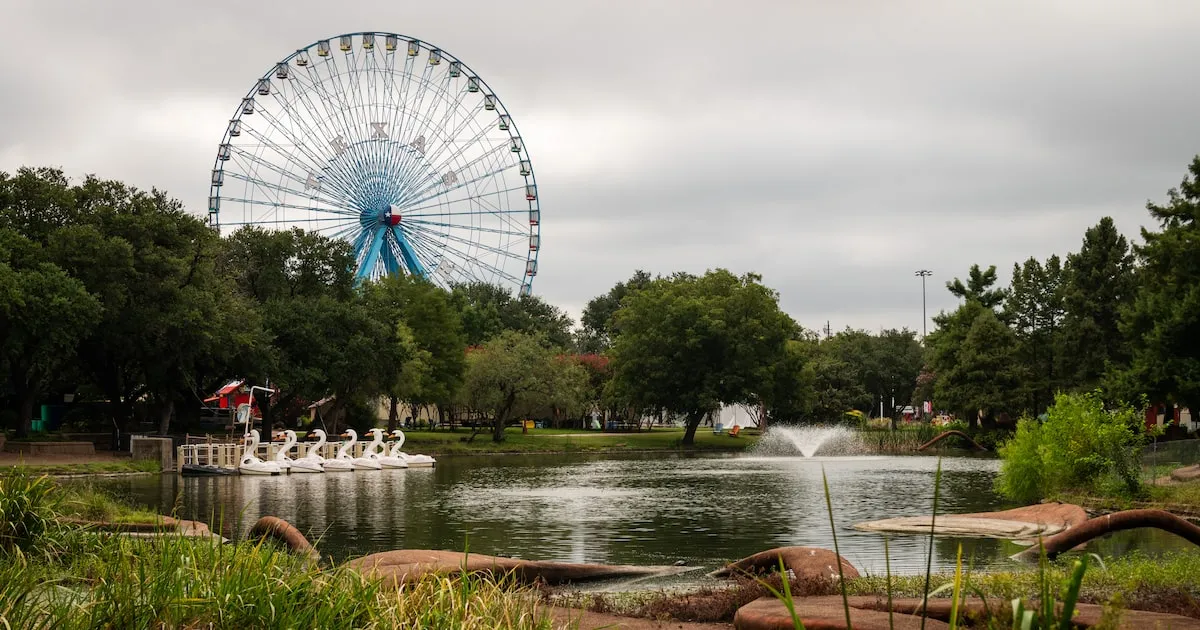
Fair Park, a renowned art deco landmark in Dallas, is set to expand its cultural and community offerings with the introduction of a new farmers market. This initiative by Good Local Markets aims to bring fresh, locally sourced produce and goods directly to residents, enhancing the existing agricultural heritage celebrated during the annual State Fair of Texas. The market, which will operate on Sunday mornings beginning March 1st, intends to feature up to 50 vendors initially, with the capacity to host as many as 200, leveraging the expansive space around Leonhardt Lagoon. This development is seen as a significant step in revitalizing Fair Park, providing accessible, nutritious food options and fostering community engagement within a historically rich setting.
The establishment of a producer-only market at Fair Park resonates deeply with the spirit of the State Fair, which itself is a testament to Texas's agricultural prowess. By exclusively featuring goods produced within a 150-mile radius of Dallas, Good Local Markets not only supports local farmers and artisans but also reinforces the connection between urban life and agricultural roots. Beyond the economic and agricultural benefits, the market is poised to contribute to public health by increasing access to fresh foods in an area that could benefit from such resources. Furthermore, the very act of visiting and navigating a farmers market offers tangible physical and social well-being benefits, aligning perfectly with the intended purpose of public parks as spaces for community health and recreation.
Revitalizing Fair Park Through Community Initiatives
Expanding Local Food Access and Economic Opportunities
The strategic location of Good Local Markets within Fair Park presents a unique opportunity to address food accessibility in parts of Dallas that have historically faced shortages of fresh, healthy food options. Lisset Bell, executive director of Good Local Markets, highlighted the challenge of farmer recruitment, stating, "We’ve never had a space this big. The only thing holding us back is finding farmers." This emphasizes the critical role of supporting and expanding the local agricultural network. A robust vendor base will ensure a diverse and consistent supply of high-quality products, ranging from seasonal produce to artisanal meats and dairy, directly benefiting consumers seeking healthier dietary choices.
The economic implications of this initiative extend beyond individual vendor sales. By creating a vibrant marketplace, Fair Park can attract increased foot traffic, benefiting not only the market vendors but also other cultural attractions within the park, such as the African American Museum and Texas Discovery Gardens. This economic stimulus is vital for the ongoing sustainability of Fair Park itself, which, despite its historic significance, requires continuous investment in maintenance and infrastructure. The market’s success can serve as a model for future community-focused programming designed to draw visitors and generate revenue.
Enhancing Fair Park's Role as a Community Hub
Fair Park, a 277-acre National Historic Landmark, is a Dallas treasure that has experienced periods of underutilization and neglect. Recent efforts to revitalize the park have included changes in management strategies, with the city’s Park and Recreation Department now overseeing its operations after a prior privatization experiment concluded. Plans are underway to engage external expertise to enhance revenue generation through events and concerts, including seeking a contract with Visit Dallas for sales and marketing, and procuring an experienced venue manager for the Cotton Bowl.
The introduction of the farmers market is a tangible manifestation of the park’s evolving role as a dynamic community hub. It complements the existing attractions by offering a relaxed, accessible, and engaging experience for local residents. Beyond shopping, visitors are encouraged to explore other amenities, such as the pedal boats at Leonhardt Lagoon and designated walking paths. These efforts to improve way-finding and enhance recreational activities aim to reintroduce Fair Park as a vibrant destination for both leisure and community gathering, celebrating its unique art deco architecture and vast public spaces.
Impact Analysis
The launch of the Good Local Markets farmers market at Fair Park represents a promising development for urban agriculture advocacy and community engagement in Dallas. By integrating a local food system initiative into a historically significant public space, the project addresses multiple objectives: enhancing food security, stimulating local economies, promoting healthy lifestyles, and increasing the utilization of underused public resources. The success of this market could serve as a replicable model for other cities looking to leverage their public parks for similar community-building and sustainability goals. Furthermore, it highlights the growing trend of smart city development integrating green initiatives and local commerce into the urban fabric, fostering a more resilient and connected urban environment.