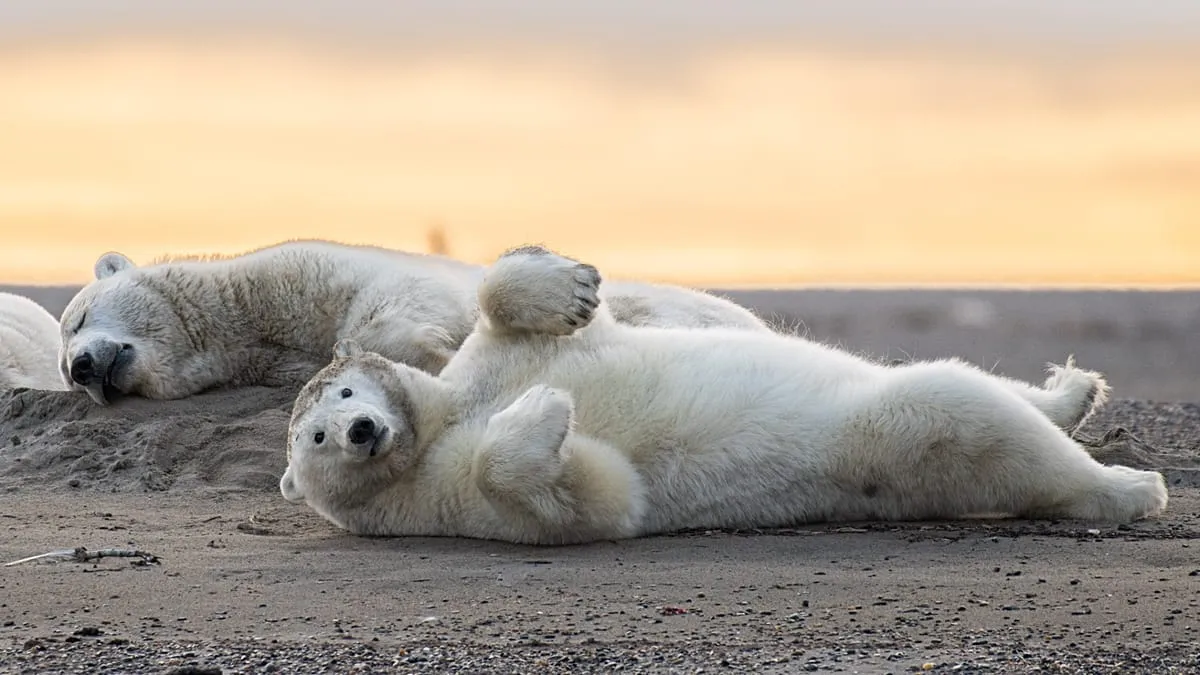
Kaktovik, a remote Alaska Native village situated above the Arctic Circle, is exploring the revival of its polar bear tourism industry. For decades, the village has attracted visitors drawn to the unique spectacle of polar bears congregating near the coast to feed on whale carcasses and await the freezing of the sea. This phenomenon, often categorized as "last chance tourism," presents an economic opportunity for the community, but leaders emphasize the critical need for stringent guidelines to protect local culture and the vulnerable bear population.
The influx of tourists, which once numbered over a thousand annually, has led to significant challenges. Kaktovik, home to approximately 250 residents, experienced an overwhelming number of visitors, impacting the local way of life and straining resources. Concerns over overcrowding and the potential disturbance of bear behavior prompted federal authorities to largely halt boat tours, a move that significantly curtailed the tourism economy but also offered a reprieve for the community and wildlife.
Rethinking Polar Bear Tourism in Kaktovik
The history of polar bear tourism in Kaktovik dates back to the early 1980s, where local guides with boats offered excursions to view bears along the barrier islands. The industry gained considerable traction following the 2008 federal designation of polar bears as a threatened species, amplifying interest in witnessing these animals amidst a changing Arctic environment. As visitation numbers surged, federal regulations mandating permits and insurance began to favor larger, out-of-town operators, gradually sidelining local guides.
The consequences of unchecked tourism became apparent. Kaktovik's limited infrastructure, including hotels and restaurants, struggled to accommodate the surge. Tourists were observed engaging in disruptive behavior, such as walking through private property. Furthermore, the demand for limited flight capacity to and from the village often put residents seeking essential travel, like medical appointments, at a disadvantage, leading to considerable logistical and financial burdens.
Implementing Sustainable Practices for Future Tourism
Following the COVID-19 pandemic and the federal halt on boat tours in 2021, Kaktovik experienced a pause in tourist activity. Now, in collaboration with the U.S. Fish and Wildlife Service, village leaders are working to establish a framework for a more sustainable tourism model, potentially resuming operations by 2027. Key to this revival is addressing concerns about visitor safety, the protection of natural resources, and ensuring the community's input guides the process.
A central focus of the proposed changes is to limit the duration of boat tours in proximity to the bears. Prolonged exposure can lead to habituation, increasing the risk of dangerous encounters when bears venture into the village in search of food. Historically, the Kaktovik Bear Patrol, tasked with safely deterring bears from populated areas, saw an increase in lethal interventions during the peak tourism era, a trend local officials aim to reverse. The goal is to foster a tourism environment that respects both the wildlife and the indigenous culture.
Balancing Economic Growth with Cultural Preservation
The revival of polar bear tourism must also align with Kaktovik's subsistence whaling activities. While the community is open to visitors witnessing cultural practices like whale butchering, there's an emphasis on ensuring respectful engagement. Concerns have been raised about visitors recording or photographing sensitive cultural moments without explicit permission, underscoring the need for clear visitor etiquette guidelines.
Experts suggest that Kaktovik could benefit from marketing itself as a focused, short-term experience, perhaps a two or three-day excursion. This approach would allow visitors to engage meaningfully with the local culture and environment while minimizing the strain on resources. The aim is to cultivate an understanding and appreciation of the Iñupiat people's way of life, ensuring that tourism contributes positively to the community's well-being and cultural continuity.