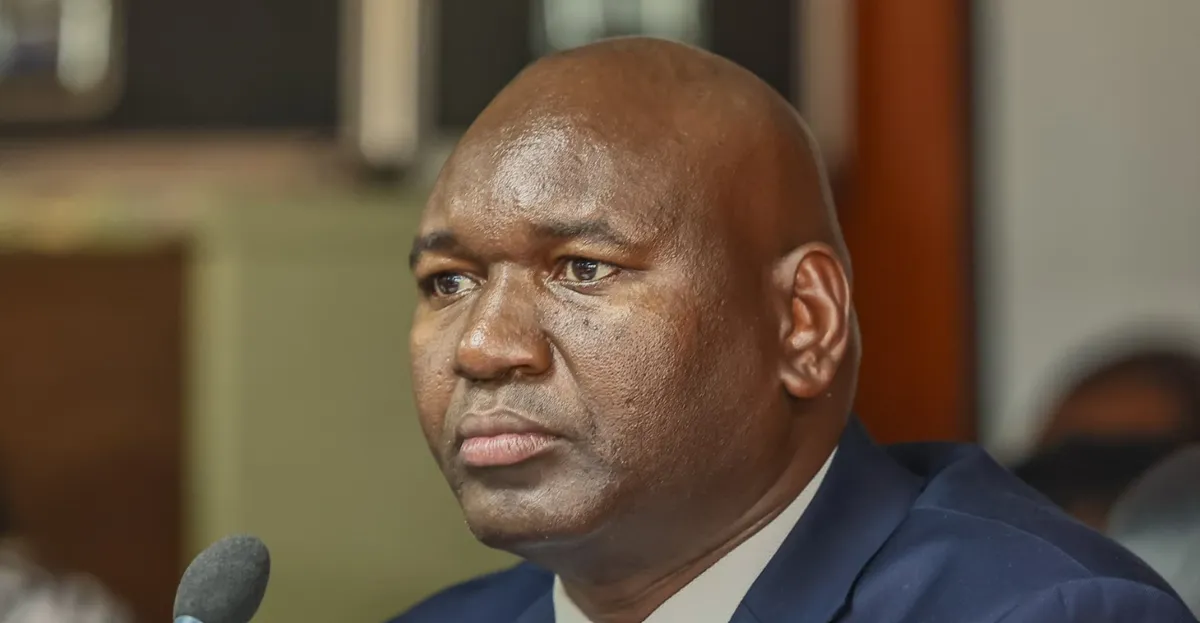
In a significant move impacting two vital government sectors, Kenyan President William Ruto has authorized a reshuffling of Principal Secretaries (PS) between the Ministry of Education and the Ministry of Tourism and Wildlife. The directive, issued via the Executive Office of the President by Chief of Staff Felix Koskei, sees Dr. Julius Bitok move from the State Department for Basic Education to the State Department for Tourism, while Mr. John Lekakeny Ololtuaa transitions from Tourism to Basic Education. These changes are effective immediately and signal a strategic realignment of leadership within the nation's administrative framework.
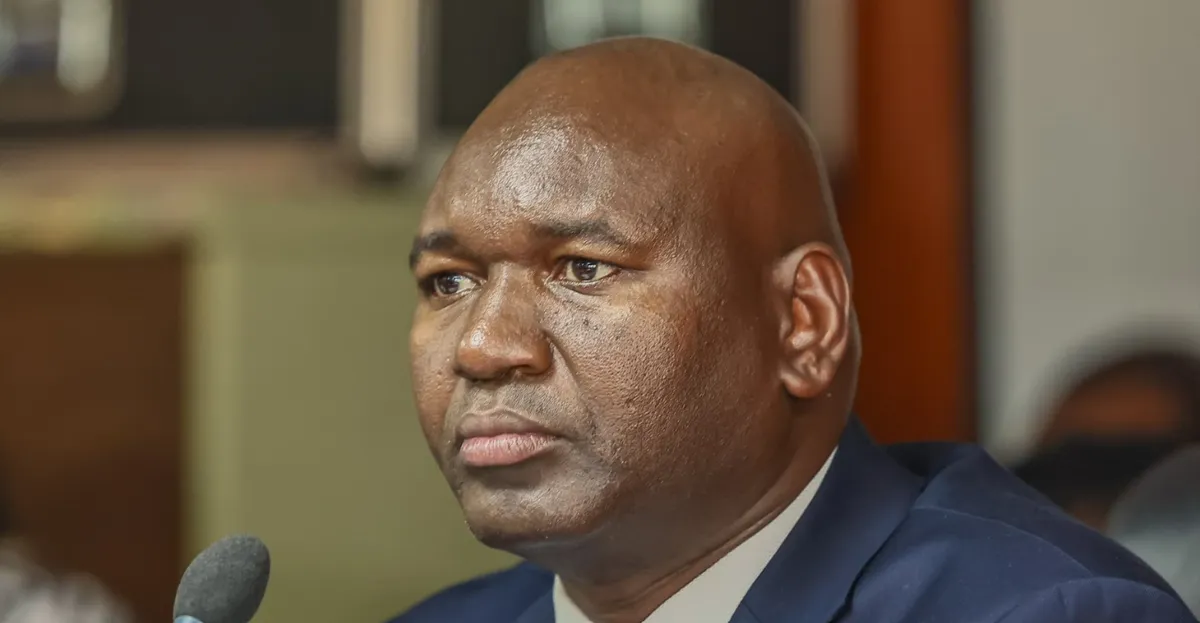
The reassignment of Dr. Bitok to the tourism sector places him at the helm of an industry critical to Kenya's foreign exchange earnings and economic growth. With the nation aiming to sustain and enhance record tourist arrivals, Bitok's expertise will be pivotal in driving forward initiatives to boost the sector. His previous role at the Ministry of Education involved significant oversight of foundational learning, impacting millions of students. This move suggests a broader strategy to leverage administrative experience across different portfolios to achieve national development goals. The Ministry of Tourism and Wildlife is a key pillar of Kenya's economy, attracting international visitors and generating substantial revenue.
Leadership Transitions in Kenyan Government Ministries
Dr. Julius Bitok's New Mandate in Tourism
Dr. Julius Bitok's appointment to the State Department for Tourism marks a new chapter in his public service career. Having previously served as Principal Secretary for Immigration and Citizen Services, where he is credited with implementing reforms that improved service delivery and reduced backlogs, Bitok brings a proven track record of administrative efficiency. His most recent position in Basic Education involved managing critical aspects of the national curriculum and supporting a vast network of educational institutions. The transition to the tourism sector requires a distinct set of skills focused on promotion, policy development, and stakeholder engagement within a globally competitive industry. His leadership is expected to bolster efforts to attract both domestic and international tourists, thereby contributing to the national economy.
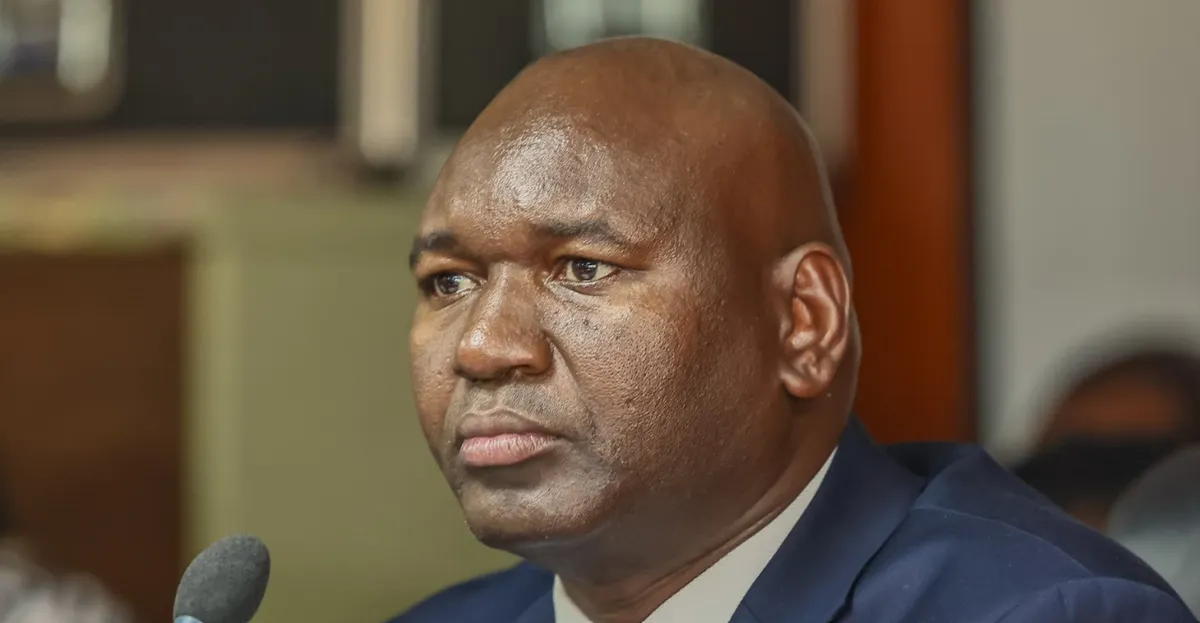 Dr. Bitok's background in driving efficiency in service-oriented departments is anticipated to be a valuable asset in the tourism industry, which relies heavily on excellent service delivery and strategic marketing. The State Department for Tourism and Wildlife is responsible for policy formulation, implementation, and coordination of tourism development in Kenya, aiming to enhance the country's profile as a premier tourist destination. This appointment underscores the government's focus on revitalizing and expanding the tourism sector's contribution to the national GDP.
Mr. John Ololtuaa's Shift to Basic Education
Conversely, Mr. John Lekakeny Ololtuaa takes on the critical role of Principal Secretary for Basic Education. Having previously managed the State Department for Tourism, Ololtuaa now inherits the responsibility for overseeing the foundational stages of education for millions of Kenyan learners. This portfolio is paramount, encompassing curriculum development, teacher management, and the overall policy direction for primary and secondary education. His tenure in tourism provided him with insights into economic drivers and stakeholder management, which may offer a unique perspective on managing a large-scale public service department.
The State Department for Basic Education is central to the nation's future, tasked with nurturing the next generation and ensuring equitable access to quality education. Ololtuaa's move into this demanding role signifies the trust placed in his leadership to navigate the complexities of the education system. The effective management of resources, implementation of educational reforms, and ensuring the welfare of students and educators will be key priorities during his tenure. This strategic redeployment highlights the administration's approach to utilizing diverse leadership experiences to address national challenges.
Context of the Reshuffle
This reshuffle is not Dr. Bitok's first significant reassignment within the current administration. It occurs approximately fifteen months after his transfer from the Immigration and Citizen Services Department to Basic Education in March 2025. During his time in immigration, he was lauded for spearheading crucial reforms. The current changes are presented as part of broader adjustments within the senior ranks of the Executive, aimed at optimizing departmental performance and aligning leadership with government objectives.
President Ruto's administration has consistently emphasized the importance of effective governance and efficient service delivery. Such reshuffles are often viewed as a mechanism to inject new perspectives, address emerging challenges, or strengthen the execution of key policy agendas. The specific focus on the Education and Tourism ministries suggests these sectors are areas of particular strategic interest for the government's developmental roadmap. The continuous evaluation and adjustment of leadership positions are indicative of a dynamic approach to public administration.
Impact Analysis
The immediate impact of this reshuffling will be observed in the operational continuity and strategic direction of both the State Department for Basic Education and the State Department for Tourism. For the education sector, the transition of leadership to Mr. Ololtuaa will be closely watched for its effect on ongoing curriculum reforms and the management of educational resources. In tourism, Dr. Bitok's arrival is expected to bring renewed focus on strategies for growth and international promotion. These leadership changes are a testament to the government's commitment to optimizing performance across critical sectors, with the potential to influence Kenya's educational landscape and its standing as a global tourism hub. The success of these transitions will ultimately be measured by the tangible progress achieved in each department under their new leadership.