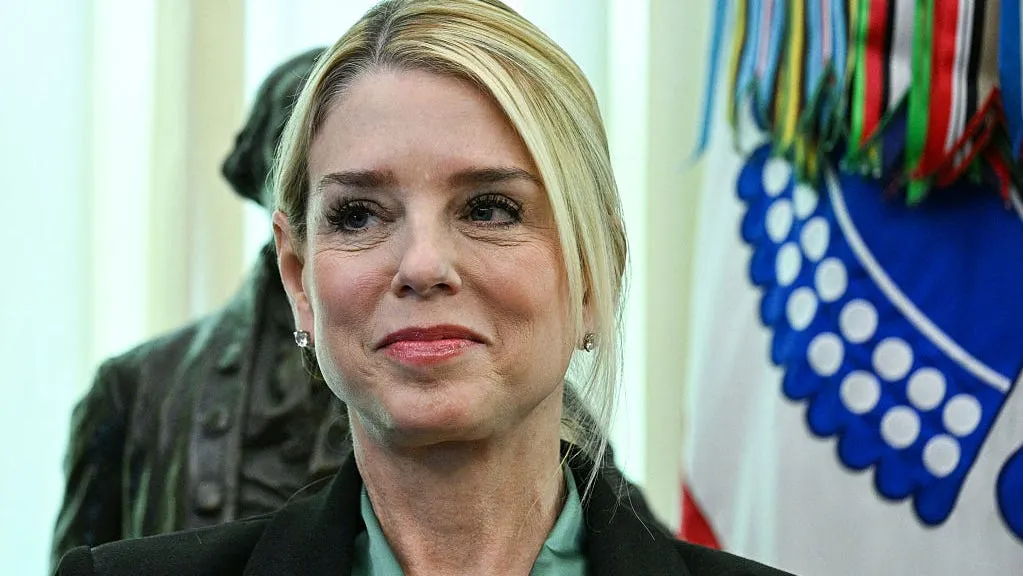
Former U.S. Attorney General Pam Bondi has been diagnosed with thyroid cancer, a development that emerged shortly after her departure from the Trump administration in April. The news was first reported by Axios, citing a source close to Bondi's condition. Bondi is currently undergoing treatment for the cancer, indicating a personal health battle alongside her continued public service.
In a significant development underscoring her ongoing role, Bondi is set to return to the Trump administration, this time as a member of an advisory committee focused on artificial intelligence policy. This reappointment follows President Trump's decision to pause the signing of an executive order on AI, driven by concerns over potential overregulation of the burgeoning technology sector. The Vice President's office has expressed strong support for Bondi's continued involvement, highlighting her perceived value to the administration's strategic initiatives.
Pam Bondi's Health and Public Service Intersection
The diagnosis of thyroid cancer, a condition characterized by the abnormal growth of cells within the thyroid gland, marks a challenging personal chapter for the former Attorney General. The thyroid, a vital endocrine gland located at the base of the neck, plays a crucial role in regulating the body's metabolism, heart rate, and blood pressure through the hormones it produces. Thyroid diseases, including cancer, are statistically more prevalent among older individuals and women, according to data from the Centers for Disease Control and Prevention. Bondi, at 60 years old, now faces the complexities of managing her health while continuing to engage in high-level policy discussions.
Bondi's tenure as Attorney General was marked by several high-profile and controversial decisions. Her administration faced scrutiny for its handling of investigations involving individuals perceived as adversaries of President Trump, including actions related to New York Attorney General Letitia James and former FBI Director James Comey. Furthermore, her management of files pertaining to accused sex trafficker Jeffrey Epstein drew intense criticism from lawmakers of both parties, who accused her office of mishandling their release. Despite these controversies, Bondi has maintained a prominent position within circles close to the administration.
AI Advisory Committee and Strategic Role
Bondi's new role on the AI advisory committee positions her at the forefront of discussions shaping the nation's approach to artificial intelligence. Her responsibilities are expected to include fostering communication and collaboration between the White House and leading figures in the technology industry, such as Meta CEO Mark Zuckerberg and Nvidia CEO Jensen Huang. This strategic involvement suggests a continued trust in her ability to navigate complex policy landscapes and represent the administration's interests in a rapidly evolving technological domain.
The committee itself is co-chaired by tech entrepreneur David Sacks, a former White House advisor on AI and cryptocurrency, and Michael Kratsios, the White House science adviser. The formation of this committee and Bondi's inclusion signal the administration's intent to actively engage with technological advancements and industry leaders. The focus on AI policy, particularly in light of the postponed executive order, indicates a nuanced approach to balancing innovation with regulatory oversight, a delicate task Bondi is now tasked with helping to manage.
Understanding Thyroid Cancer
Thyroid cancer arises when cells in the thyroid gland undergo mutations and begin to grow uncontrollably, forming malignant tumors. These tumors can interfere with the thyroid's normal function of producing hormones essential for regulating numerous bodily processes. Symptoms can vary widely but may include a noticeable lump in the neck, changes in voice, difficulty swallowing, and swollen lymph nodes. Early detection and treatment are crucial for successful outcomes, with treatment options often including surgery, radioactive iodine therapy, and thyroid hormone medication, depending on the type and stage of the cancer.
The CDC notes that while thyroid cancer can affect individuals of all ages, it is more commonly diagnosed in women and older adults. Risk factors can include exposure to radiation, a family history of thyroid cancer, and certain genetic conditions. Regular medical check-ups and awareness of potential symptoms are vital for proactive health management. The source material indicates Bondi is receiving treatment, underscoring the importance of medical intervention for this condition.
Impact Analysis
Pam Bondi's dual narrative of battling thyroid cancer while stepping into a significant advisory role on AI policy presents a unique intersection of personal health challenges and continued political influence. Her appointment to the AI committee, especially in the context of the administration's reevaluation of its AI executive order, suggests a strategic reliance on her experience and network. This situation highlights the administration's approach to staffing key advisory positions with individuals who have prior experience and established relationships, even amidst personal health issues. The development also brings increased public attention to thyroid cancer, potentially encouraging greater awareness and dialogue around the disease.