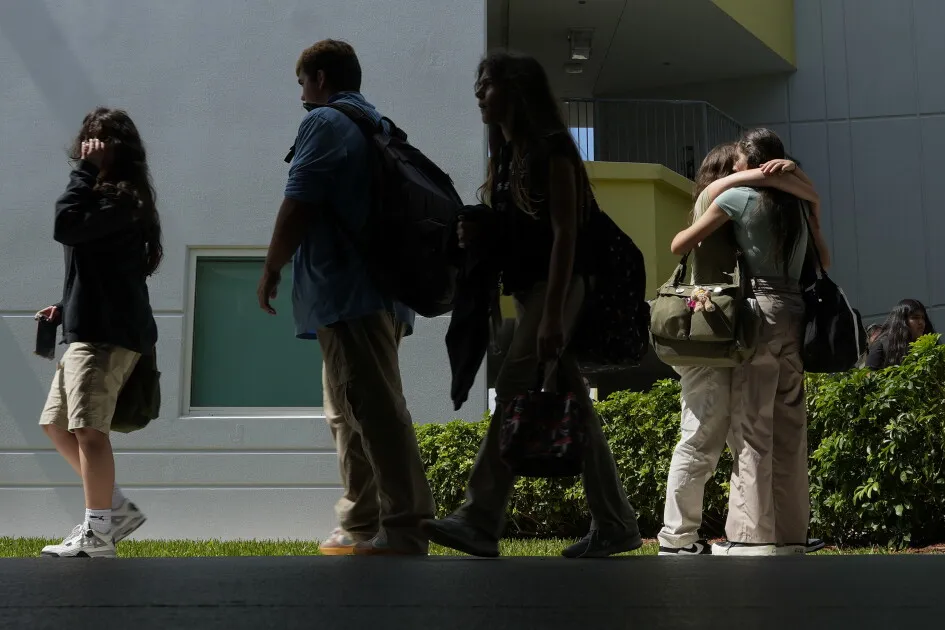
Schools nationwide are grappling with an escalating number of student behavioral, social-emotional, and mental health concerns, alongside a concerning decline in academic achievement. Recognizing these interconnected issues, a coalition of school-based health professionals convened a congressional briefing to advocate for a more integrated and adequately resourced approach to student well-being.
During the U.S. House of Representatives briefing on May 19, representatives from prominent organizations including the School-Based Health Alliance, the National Association of School Psychologists, the American School Counselor Association, the National Association of School Nurses, and the School Social Work Association of America emphasized that addressing students' health needs is not a secondary concern but a fundamental prerequisite for effective learning and overall academic success.
The Critical Role of Integrated School Health Services
The core message from the briefing highlighted that students do not leave their personal challenges at the schoolhouse door. Factors such as unmet health needs, social-emotional difficulties, and mental health crises directly impede a child's ability to learn and thrive. Panelists stressed that these issues cannot be effectively tackled in isolation. A multidisciplinary strategy, where school nurses, psychologists, counselors, and social workers collaborate, is essential to gain a holistic understanding of each student's situation.
Betsy Looney, a school nurse coordinator, articulated that a child with unaddressed health needs will struggle to benefit from even the most advanced curriculum or the most skilled educator. Similarly, Kelly Vaillancourt Strobach, director of policy and advocacy for the National Association of School Psychologists, asserted that these health professionals are not optional extras but integral components of the educational ecosystem, on par with teachers of core academic subjects. Each professional brings a unique perspective – a nurse identifies physical health issues, a counselor addresses social-emotional development and academic planning, a social worker navigates family and community resources, and a psychologist evaluates mental and behavioral health conditions. This collective expertise is vital for comprehensive student support.
The current landscape reveals a significant deficit in the number of school health professionals available to meet student needs. Data from the National Center for Education Statistics for the 2020-21 school year indicated that while a majority of schools have access to counselors, psychologists, and social workers, these numbers fall short of recommended ratios. For instance, the student-to-school-psychologist ratio was 1071:1 in the 2024-25 school year, doubling the recommended 500:1. Likewise, the student-to-school-counselor ratio stood at 372:1, exceeding the recommended 250:1. A 2021 survey by the National Association of School Nurses reported that only 66% of schools have a full-time nurse.
These staffing shortages create a ripple effect, placing an undue burden on teachers and administrators who may be forced to address issues outside their primary expertise. Amanda Fitzgerald of the American School Counselors Association pointed out that when essential mental health and support professionals are absent or overloaded, teachers often end up managing complex student needs that detract from instructional time. The coalition argues that adequate staffing ensures that each professional can focus on their specialized role, thereby improving the overall effectiveness of support services within schools.
Advocacy for Policy Change and Funding Restoration
In light of these challenges, the coalition is urging Congress to enact supportive legislation and restore crucial funding. A significant point of contention was the previous administration's decision to cut approximately $1 billion in grants aimed at increasing the number and training of mental health professionals in schools. The organizations are championing several legislative efforts, including bills to reauthorize the school-based health centers grant program, provide grants for hiring school nurses, and offer grants for school social workers. They are also strongly advocating for the restoration of funding for the Mental Health Service Professional Demonstration and School-Based Mental Health Services grant programs, which the prior administration had targeted for elimination.
Gloria Ho, a school social worker, emphasized that issues extending beyond the school gates—such as food and housing insecurity, and access to healthcare like Medicaid—are inextricably linked to educational outcomes. These external factors directly influence a student's ability to attend school consistently, maintain focus, and feel secure enough to learn. The collective plea from these professionals is for policymakers to recognize the profound impact of these social determinants of health on education and to invest in comprehensive support systems that address the whole child, both inside and outside the classroom.
Impact Analysis
The advocacy by this coalition of school health professionals signifies a growing recognition of the intricate relationship between student well-being and academic success. The call for increased federal funding and legislative support for school-based health services addresses a critical gap in the current educational infrastructure. By highlighting the shortages in school psychologists, counselors, nurses, and social workers, and the detrimental effects on both students and educators, the briefing underscores the urgent need for policy interventions. The success of these initiatives could lead to improved student mental health outcomes, better academic performance, and a more supportive and effective learning environment for all.