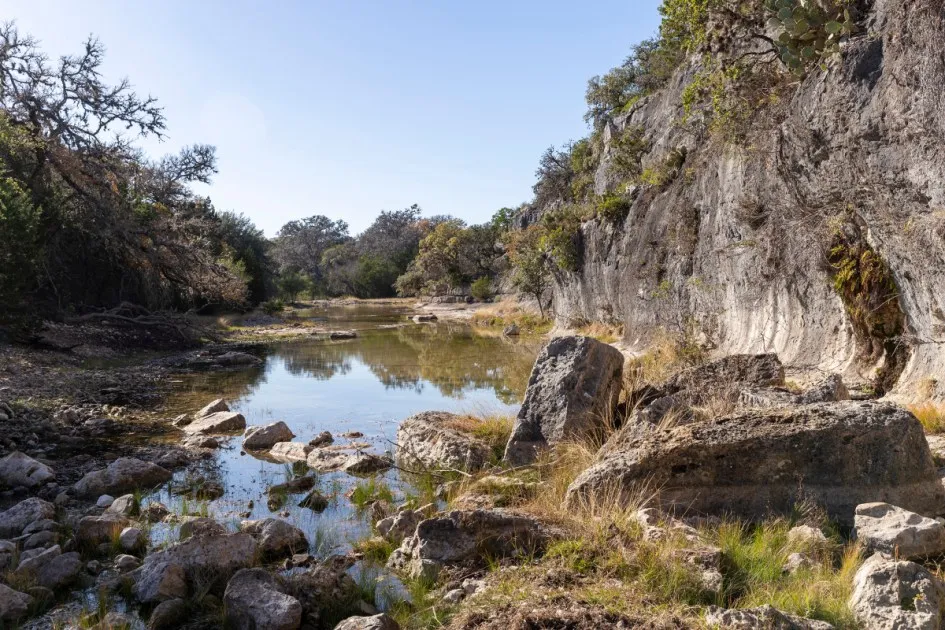
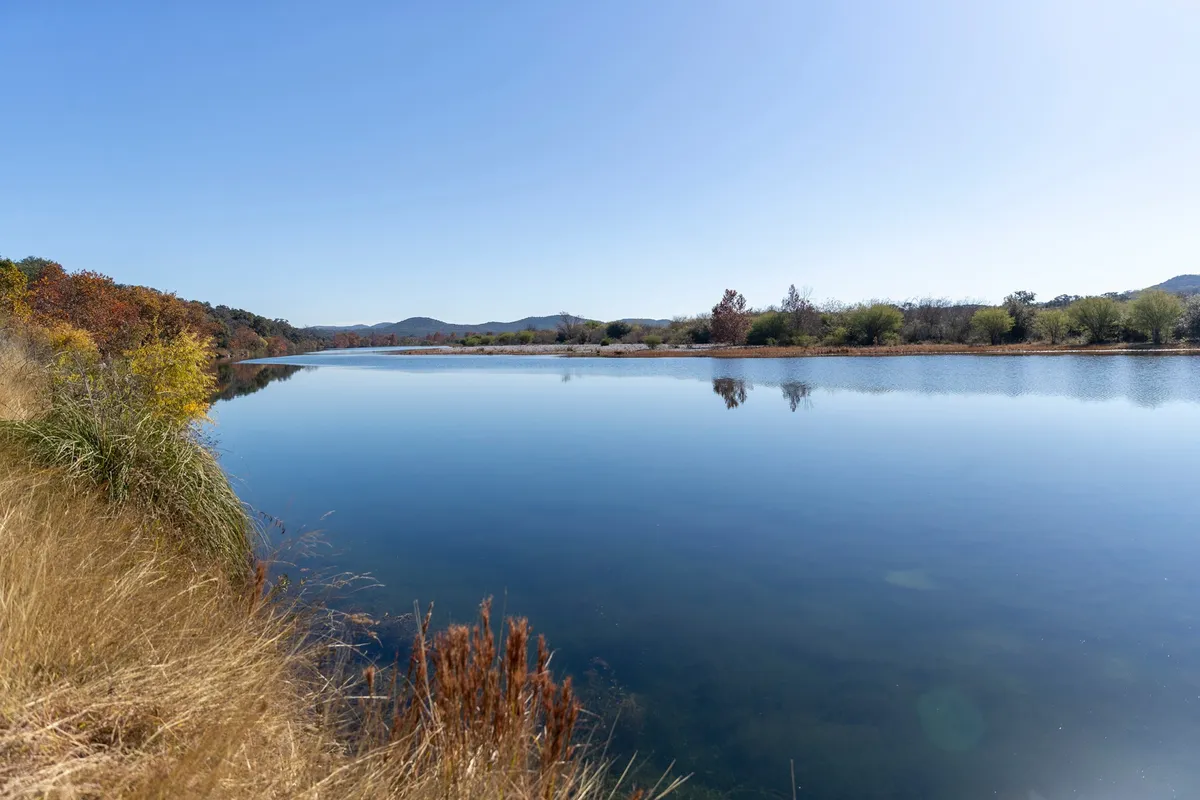
Texas is expanding its state park system with the acquisition of nearly 54,000 acres of former ranchland, which will be transformed into Silver Lake State Park. This significant addition, located between Rocksprings and Uvalde in Kinney and Edwards counties, will become the second-largest state park in Texas, surpassed only by Big Bend Ranch State Park. The property, characterized by its rugged canyons, rolling hills, and a substantial 30-acre spring-fed lake, offers a rich natural landscape for future public recreation and conservation efforts. The Texas Parks and Wildlife Department (TPWD) announced the acquisition, highlighting the immense potential for this new park to offer Texans expanded opportunities for outdoor exploration and a deeper connection with the state's natural heritage.
The acquisition marks a pivotal moment for state park development in Texas, as it is the first land purchase funded by the $1 billion Centennial Parks Conservation Fund. This fund, approved by the Legislature and voters in 2023, is dedicated to expanding and establishing new state parks. Alongside the creation of Silver Lake State Park, funds from this initiative have also supported the development of Post Oak Ridge State Park in Lampasas and the expansion of Enchanted Rock State Natural Area. The strategic use of this fund underscores a commitment to enhancing public access to natural spaces and preserving Texas's diverse ecosystems for future generations.
Silver Lake State Park Acquisition Details
The newly designated Silver Lake State Park encompasses approximately 54,000 acres of what was formerly known as Silver Lake Ranch. This vast expanse of Hill Country terrain features diverse topography, including dramatic limestone cliffs, undulating hills covered with live oak and juniper, and significant water resources. The property boasts miles of river frontage along the West Nueces River, the central 30-acre spring-fed Silver Lake, two additional water holes, and several vital creeks such as Sycamore Creek, Lost Creek, and North Spring Creek. The acquisition was made possible through a substantial donation from the Moody Foundation, which gifted nearly 88% of the ranch to TPWD. The remaining portion was purchased by the agency for $11.85 million, utilizing both the Centennial Parks Conservation Fund and revenue from sporting goods sales.
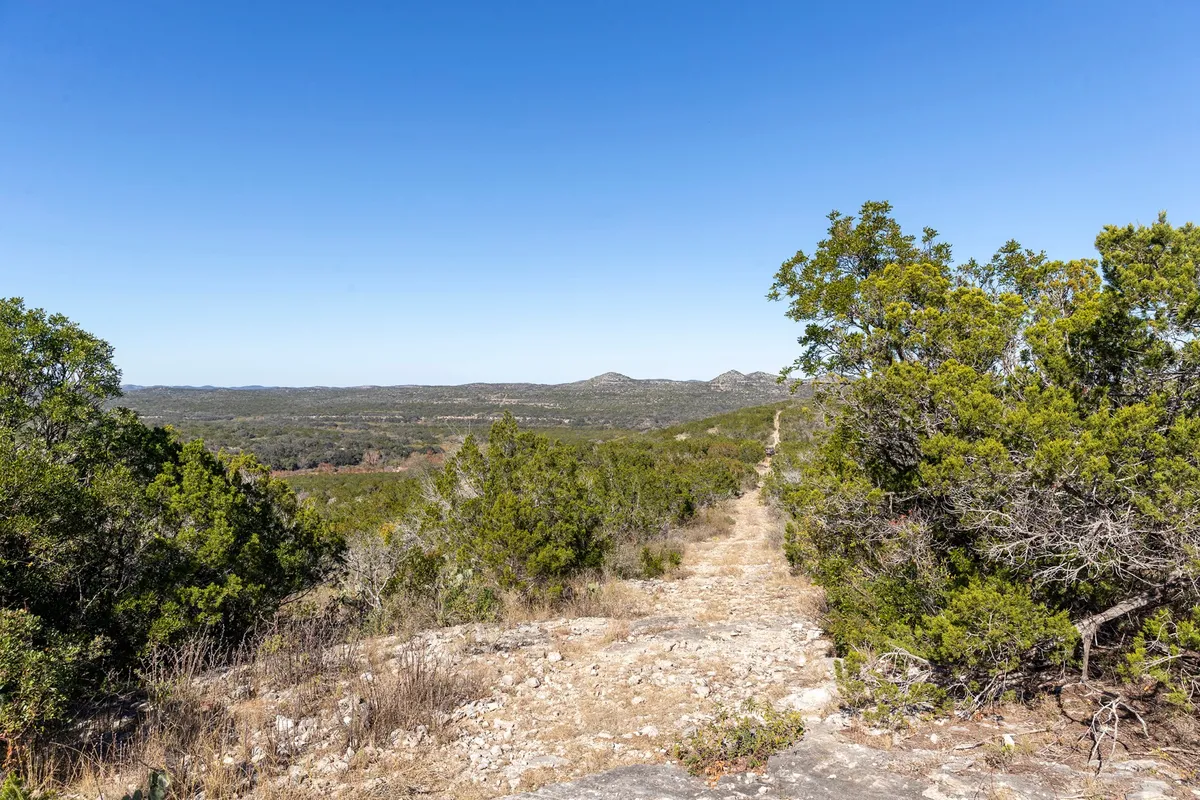 The financial backing for this expansive acquisition comes primarily from the Centennial Parks Conservation Fund, a $1 billion initiative approved in 2023. This fund is specifically earmarked for the acquisition, development, and improvement of state parks. The acquisition of Silver Lake Ranch demonstrates the fund's capacity to secure large, ecologically significant properties. TPWD plans to develop the park in carefully considered phases, ensuring that public input is gathered throughout the planning process. Initial access during the planning stages will be limited to guided tours and day use via existing ranch roads, allowing for careful environmental assessment and preliminary infrastructure development.
Ecological Significance and Wildlife Habitat
Silver Lake State Park is not only notable for its size and recreational potential but also for its rich biodiversity and ecological importance. The varied landscape supports a variety of native wildlife, including white-tailed deer, turkey, javelina, and dove. The 30-acre Silver Lake is a unique habitat, home to the greenthroat darter fish. Furthermore, significant portions of the property have been identified as critical potential habitat for the endangered golden-cheeked warbler, a species that relies on mature Ashe juniper and oak woodlands for survival. The preservation of these habitats is a key objective for TPWD as they develop the new park.
 The presence of these species, particularly the endangered golden-cheeked warbler, underscores the need for careful land management and conservation strategies within the park. TPWD's phased development plan will likely include extensive ecological surveys and the implementation of measures to protect sensitive species and their habitats. The agency is committed to balancing public access with the imperative of environmental stewardship, ensuring that the natural beauty and ecological integrity of Silver Lake Ranch are maintained for the long term. This focus on conservation aligns with broader goals of protecting Texas's natural resources.
Texas Park System Expansion and Land Conservation
The creation of Silver Lake State Park addresses a critical need identified in reports concerning Texas's state park acreage per capita. A 2022 report by Environment Texas highlighted that Texas ranks 35th nationally in this metric, with insufficient parkland to serve its rapidly growing population. The state's goal is to significantly increase its parkland, with recommendations suggesting the addition of 1.4 million acres by 2030. TPWD's strategic acquisition of large tracts like Silver Lake Ranch is central to meeting these ambitious conservation and recreation targets. The agency prioritizes acquiring land that offers significant natural and recreational value, often focusing on locations within the Texas Triangle.
The acquisition and development of Silver Lake State Park are part of a larger vision by TPWD to enhance the state park system and ensure equitable access to natural resources for all Texans. By leveraging funds like the Centennial Parks Conservation Fund and securing donations from philanthropic organizations such as the Moody Foundation, TPWD is demonstrating a proactive approach to land conservation and park expansion. The phased development and public engagement process for Silver Lake State Park will aim to create a valuable public asset that respects its ecological significance and provides enduring recreational opportunities.
Impact Analysis
The establishment of Silver Lake State Park represents a significant advancement in Texas's conservation and recreation infrastructure. Its sheer size will provide unparalleled opportunities for backcountry exploration, hiking, and wildlife viewing, catering to a growing demand for natural experiences. Furthermore, the acquisition and dedicated funding signal a robust commitment from state leadership and conservation organizations to address the deficit in public parkland relative to the state's population growth. The focus on preserving critical habitats for endangered species like the golden-cheeked warbler also highlights the park's importance in regional biodiversity conservation efforts. This expansion is likely to boost local economies through tourism and provide long-term ecological benefits by protecting a vast, undeveloped landscape.