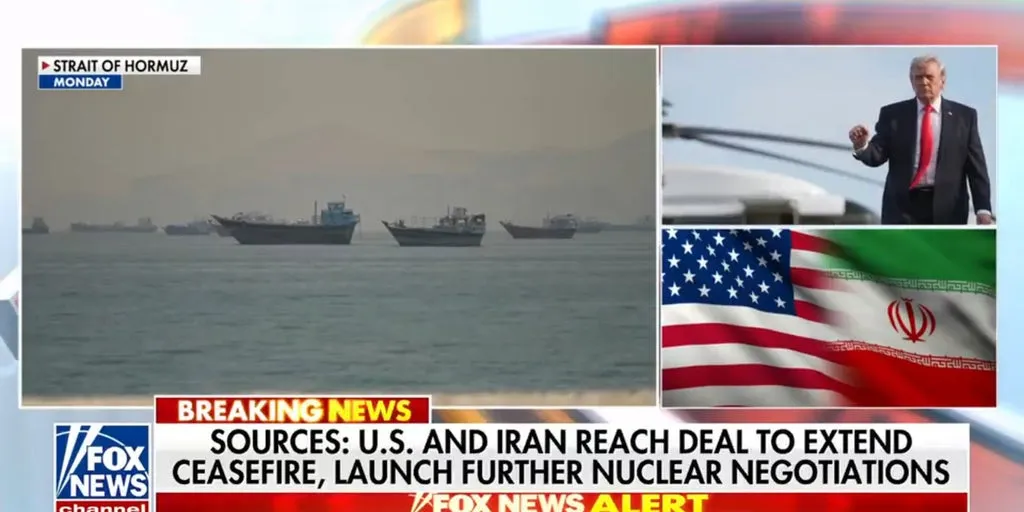
Reports indicate that the United States and Iran have reached a provisional 60-day ceasefire agreement. This understanding is reportedly designed to pave the way for further discussions on Iran's nuclear program and to de-escalate tensions in critical maritime regions. The specifics of the deal remain undisclosed, but its primary objective is to create a conducive environment for substantive negotiations, potentially addressing long-standing concerns regarding nuclear proliferation and regional stability.
This reported ceasefire comes after a period of heightened diplomatic activity and underlying geopolitical friction. The agreement, if finalized, could have significant ripple effects across the Middle East and on global energy markets. Analysts are closely watching for further details on the scope of the ceasefire and the commitments expected from both sides to ensure its adherence and to foster productive dialogue on the nuclear issue.
Potential Implications of the Ceasefire Deal
The tentative 60-day ceasefire between the U.S. and Iran, if confirmed and adhered to, could mark a significant shift in regional dynamics. A reduction in hostilities, particularly in sensitive areas like the Strait of Hormuz, could lead to a stabilization of oil prices. The Strait of Hormuz is a vital chokepoint for global oil transport, and any disruption there has immediate and far-reaching economic consequences. A sustained period of calm could alleviate market fears and encourage more predictable energy flows.
Furthermore, this interim agreement could provide much-needed breathing room for diplomatic channels to explore more comprehensive solutions to Iran's nuclear program. The success of these talks will likely depend on the willingness of both parties to engage in good-faith negotiations and to address each other's core concerns. The international community will be observing closely to see if this ceasefire can translate into tangible progress on the nuclear front and contribute to broader regional security.
Economic Ramifications and Market Stability
The economic implications of a U.S.-Iran ceasefire are multifaceted. A primary concern for global markets is the impact on crude oil supply and pricing. Given Iran's position as a significant oil producer, any perceived increase in supply stability or reduction in supply-side risks could exert downward pressure on oil prices. This would be a welcome development for energy-importing nations and could contribute to moderating inflation globally.
Beyond oil prices, the deal's success could also influence investment and trade patterns in the region. A decrease in geopolitical risk often correlates with increased investor confidence, potentially leading to greater economic activity and development in countries that have been indirectly affected by regional instability. The role of key regional players, such as Saudi Arabia, will also be crucial in how these economic dynamics unfold.
Nuclear Negotiations and International Scrutiny
The core objective of the reported ceasefire is to facilitate renewed nuclear negotiations. For years, international efforts have focused on preventing Iran from acquiring nuclear weapons, with various agreements and sanctions frameworks being implemented. A successful ceasefire could provide the necessary conditions for a resumption of meaningful talks aimed at reviving or establishing a new framework for Iran's nuclear activities.
These negotiations will undoubtedly be subject to intense international scrutiny. Key stakeholders, including the P5+1 countries (the five permanent members of the UN Security Council plus Germany), will be keenly interested in the progress made. The outcome of these talks will have profound implications not only for regional security but also for the global non-proliferation regime. The ability to verify Iran's compliance and ensure transparency will be paramount.
Internal Pressures within Iran
The economic landscape within Iran is often a significant factor in its foreign policy decisions. Reports suggest that Iran has been facing considerable internal economic pressures, exacerbated by sanctions and fluctuating global energy markets. A ceasefire agreement, even a temporary one, could offer some relief by potentially easing certain sanctions or by improving the overall economic outlook through reduced geopolitical tension.
This internal economic context may drive Iran's engagement in the diplomatic process. A more stable economic environment could, in turn, impact domestic political dynamics. The government's ability to address economic grievances could be bolstered by a more predictable foreign policy environment, potentially leading to a period of relative calm domestically as well.
Impact Analysis
The reported 60-day ceasefire between the U.S. and Iran, if it holds, represents a critical juncture in Middle Eastern geopolitics and global economic stability. Its immediate impact would likely be felt in energy markets, with the potential for oil price moderation due to reduced supply risks from the Strait of Hormuz. This could provide a much-needed respite for inflation-sensitive economies worldwide.
Beyond economics, the de-escalation of tensions is paramount for regional security. A sustained ceasefire could create a more favorable climate for restarting and progressing nuclear negotiations, addressing a long-standing international concern. The success of these talks will be closely monitored, as will the broader implications for Iran's internal economic situation and its role within the regional order. This development warrants careful observation as it unfolds, with potential for significant shifts in diplomatic and economic landscapes.