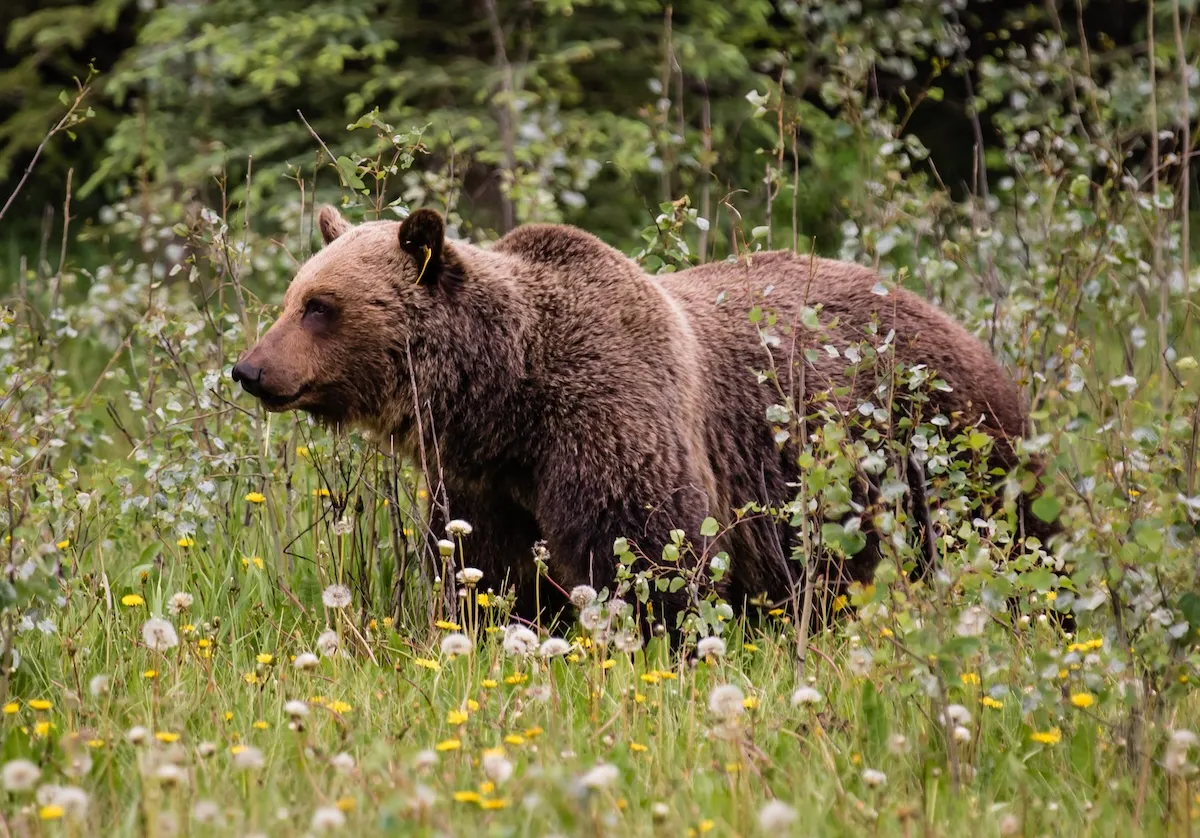
Ranchers across Alberta are increasingly contending with significant pressure from wildlife, a growing concern highlighted during recent Alberta Beef Producers’ (ABP) meetings. Areas with substantial populations of elk, deer, and predators like wolves, coyotes, and grizzly bears are reporting substantial impacts on agricultural operations. Producers have voiced grave concerns over feed loss, extensive pasture damage, livestock predation, and the inherent difficulties in mounting timely and effective responses to these escalating issues.
While policy discussions regarding long-term wildlife management strategies are ongoing, the immediate need for practical, on-the-ground solutions is paramount. These solutions aim to mitigate losses and enhance preparedness for unpredictable wildlife encounters. The variability of each operation means that a universal solution is unattainable; instead, a mosaic of adaptive strategies informed by years of practical experience is being developed and refined by producers themselves.
Addressing the Multifaceted Wildlife Challenge
Impact of Large Ungulates, Especially Elk
A primary concern articulated by producers involves the substantial impact of large ungulate populations, particularly elk. These animals are frequently observed consuming standing forage critical for winter feed, disrupting swath grazing systems, and decimating bale yards. This consumption directly translates to increased feed costs and operational strain throughout the winter months. The physical presence of large herds also leads to significant fencing damage, necessitating constant repairs and increasing labor demands.
The scale of elk herds in some regions poses a considerable threat to feed reserves. Anecdotal evidence suggests that in certain areas, elk can deplete available forage at an alarming rate, leaving livestock with insufficient feed. This situation requires producers to purchase supplemental feed sooner and in greater quantities, directly impacting the economic viability of their operations. The management of these populations, therefore, becomes a critical component of ensuring agricultural sustainability in affected regions.
Predator Activity and Livestock Safety
Predator pressure represents another major point of contention for Alberta's beef producers, particularly in regions confronting a noticeable increase in wolf, grizzly bear, and other predator activity. This heightened activity is especially concerning near sensitive calving areas, where young, vulnerable livestock are at increased risk. The losses incurred are not confined to confirmed kills; indirect impacts such as severe injuries, heightened stress levels in livestock, and critical disruptions during crucial periods like calving season are also significant concerns.
The psychological toll on both livestock and producers is considerable. Constant vigilance is required to protect herds, leading to increased stress for ranchers. The disruption of natural herd behavior due to predator presence can also affect weight gain and overall health. Effective predator management strategies, therefore, need to consider not only direct predation but also the broader impact on herd well-being and productivity.
The Need for Practical Management Tools and Timely Responses
Producers consistently emphasize the necessity for accessible and effective management tools coupled with prompt response mechanisms. Lee Irvine, ABP Director and Delegate from the Southwest Zone, notes that while every operation faces unique circumstances, practical experience has cultivated numerous effective strategies for managing wildlife pressure and mitigating risks. The sentiment is echoed by Kent Holowath, ABP Vice Chair, who states that producers understand wildlife is an inherent part of ranching in Alberta, but they require actionable tools and swift interventions when wildlife pressures translate into significant economic burdens.
The current situation calls for a dual approach: immediate, practical solutions for individual producers and a broader, policy-driven strategy for population management. This includes exploring and implementing measures that allow for timely interventions when problem animals or herds cause significant damage. The development of streamlined processes for reporting issues and receiving support from relevant authorities is also crucial for effective conflict resolution.
Government and Producer Collaboration
Alberta's provincial government has previously implemented targeted measures in high-pressure zones, such as expanding opportunities for landowners and designated hunters to help manage problematic elk populations. These initiatives aim to alleviate forage and feed losses experienced by agricultural operations. While these steps are acknowledged as helpful in easing some pressure, many producers stress that the scale of the impact necessitates more comprehensive policy tools, enhanced response systems, and population management approaches that accurately reflect the ongoing challenges.
ABP remains committed to advocating for management strategies that are informed by producer experiences and are genuinely practical. Key areas of discussion include the potential for compensation programs for wildlife-induced losses, robust population management strategies that consider ecological balance and agricultural needs, and the enhancement of response tools available to producers facing persistent wildlife conflicts. This collaborative effort seeks to find a sustainable equilibrium between wildlife conservation and agricultural productivity.
Impact Analysis
The escalating conflict between Alberta's beef producers and wildlife populations poses a significant threat to the province's agricultural sector. Unchecked, these issues could lead to reduced herd sizes, increased operational costs, and potentially a decline in agricultural land use in high-conflict areas. The economic stability of rural communities is intrinsically linked to the health of the agricultural industry, making effective wildlife management a critical factor in maintaining regional prosperity. Furthermore, addressing these challenges proactively through collaborative policy development and the implementation of practical tools is essential for ensuring the long-term sustainability of both ranching operations and Alberta's natural heritage.