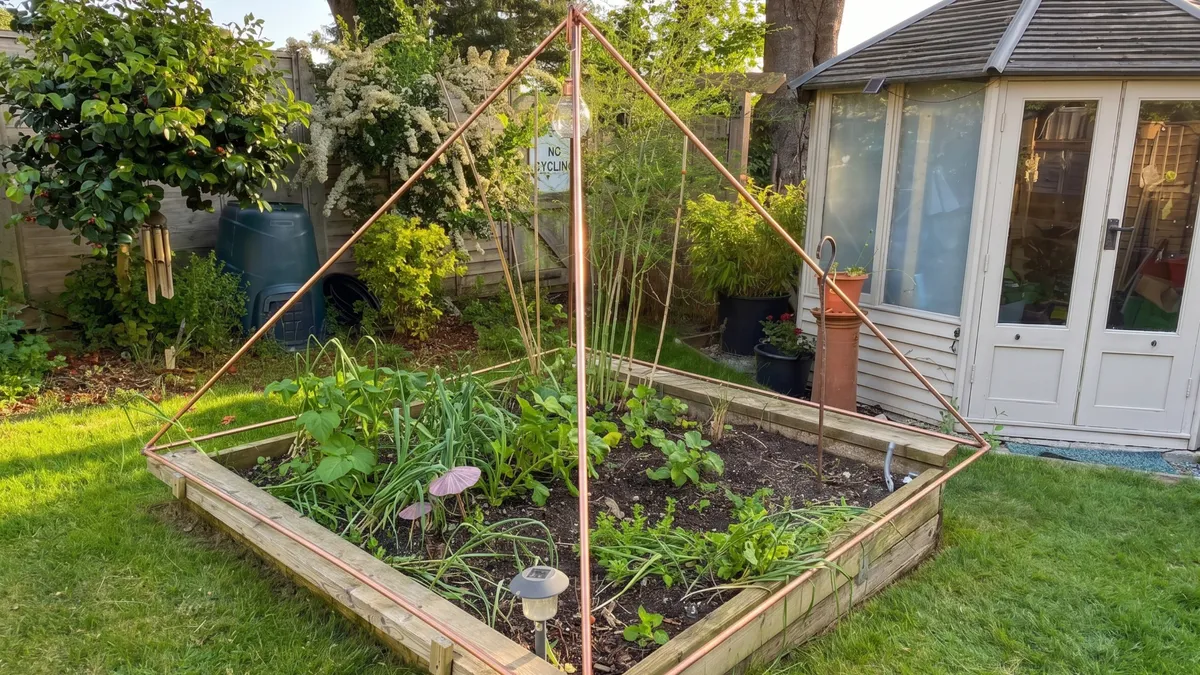
The practice of electroculture gardening, which posits that plants can benefit from atmospheric energy harnessed by conductive materials, has gained a curious following. Central to this concept are structures like copper pyramids, inspired by ancient architectural wonders, believed to act as passive antennas to channel energy into the soil. While often bridging the gap between traditional knowledge and modern interpretation, proponents suggest these methods can enhance plant vitality and accelerate growth.
One notable application involves the strategic placement of copper elements within garden beds. These can range from simple copper wire coils to more elaborate pyramid-shaped structures. The underlying theory is that copper's high conductivity allows it to collect and amplify ambient atmospheric energy, thereby creating a more favorable environment for plant development. This approach has led some gardeners to experiment with these techniques, seeking observable improvements in their crops.
The Rise of Electroculture and Copper Pyramids
Electroculture gardening, though sometimes viewed as unconventional, draws upon the idea that the Earth's natural electrical currents and atmospheric energy can be harnessed to promote plant health. The use of metals, particularly copper, is a key component in many electroculture setups due to its conductive properties. The Great Pyramid of Giza, with its unique geometric shape and purported energetic properties, has served as a particular inspiration for those creating pyramid-like structures for garden applications.
The anecdotal evidence surrounding the effectiveness of these methods is varied, with many gardeners reporting enhanced growth, increased yields, and more robust plant vitality when employing electroculture techniques. The contrast between a garden bed equipped with a copper pyramid and one without has, in some observed cases, highlighted significant differences in plant performance. This has fueled further interest and experimentation within the gardening community.
Observed Benefits and Experimental Setups
Anecdotal reports suggest that raised beds incorporating copper pyramids have consistently outperformed adjacent beds without such structures. Plants grown within these experimental setups are often described as larger, with more luxuriant foliage and more reliable germination rates. There's also a perceived difference in the overall 'energy' or vigor of the plants, a qualitative observation that, while not scientifically quantifiable in a traditional sense, contributes to the perceived success of the method.
The comparison between a pyramid-enhanced bed and a standard bed provides a natural control for observation. Even when other factors like soil composition, sunlight, and watering are kept as consistent as possible, differences in plant development are reportedly noticeable. While acknowledging the influence of environmental variables and the inherent variability of plant life, proponents of electroculture see these observed differences as strong indicators of the copper pyramid's positive impact.
The Psychological Impact of Electroculture
Beyond the potential energetic benefits, electroculture gardening, particularly with visually distinct elements like copper pyramids, may also influence a gardener's approach and attention. The presence of such a structure can encourage a more mindful and observant engagement with the garden. This heightened focus might lead to more attentive care, closer observation of plant responses, and a more experimental mindset towards gardening practices.
The act of setting up and observing a unique gardening technique like electroculture can transform a regular garden bed into a living experiment. This increased attention to detail, regardless of the underlying scientific mechanism, can itself lead to improved gardening outcomes. It taps into the fundamental human inclination to nurture and observe growth, often requiring a degree of faith in the unseen processes of nature, much like planting seeds with the hope of a future harvest.
Interpreting the 'Magic' of Gardening
Ultimately, the effectiveness of electroculture and copper pyramids may lie in a combination of factors, including potential energetic influences, psychological engagement, and the fundamental principles of good horticultural practice. The belief in unseen forces at play in the soil is a common thread in many gardening traditions, from lunar gardening to the use of companion planting. The copper pyramid can be seen as a more pronounced manifestation of this desire to connect with and influence natural processes.
Whether the observed benefits are due to electrical conductivity, symbolic power, psychological influence, or simply the synergistic effect of dedicated care and optimal environmental conditions, the result is often a thriving garden. From this perspective, any method that leads to a flourishing garden can be considered a form of 'magic,' a rewarding outcome irrespective of the precise scientific explanation.