
Dining in 1776 was a far cry from the idealized, polished portrayals often imagined. The reality was a practical, robust cuisine shaped by necessity and the unique landscape of the American colonies. Tables would have featured dense, fruit-laden cakes, hearty, long-simmered stews and greens softened in animal fat, alongside steaming bowls of cornmeal mush. For those with more means, a tureen of turtle soup might grace the table. Crucially, alcohol was an almost certain accompaniment; revolution, it seems, was thirsty work. This culinary landscape was born from the absence of modern refrigeration, the challenges of rudimentary transportation, and the unforgiving nature of colonial winters. Ingredients were seasonal, and preservation was paramount, often dictating the form and flavor of dishes. Yet, this practical food was far from joyless. It was rich, often heavily spiced, buttery, and surprisingly elegant, a fusion of European traditions, indigenous ingredients, and the exigencies of a new continent.
To commemorate America's 250th anniversary, exploring the dishes that might have graced a 1776 menu offers a unique glimpse into the lives and tastes of the era. These dishes range from comforting staples to the genuinely peculiar, with some deserving of a modern revival. The practicalities of the time, such as the quick spoilage of meat and the reliance on seasonal produce, heavily influenced cooking methods. Preservation techniques were essential, leading to dishes that prioritized longevity. However, this emphasis on practicality did not negate flavor; colonial cuisine was characterized by bold tastes, often amplified by spices and fats, reflecting a resourceful adaptation to available resources and a desire for sustenance.
Culinary Staples of a Revolutionary Era
Election Cake: Fueling Political Discourse
The tradition of 'stress-baking' through elections appears to date back to the 1700s, with Election Cake being a prime example. Particularly popular in New England, these gatherings often involved long days of travel and political discourse, necessitating substantial sustenance. Women in communities like Connecticut would bake these large cakes to support men traveling to the polls.
Election cakes were not delicate pastries but dense, sturdy confections. They were rich with dried fruits, warming spices like cinnamon and nutmeg, and often fortified with whiskey or brandy, positioning them as akin to a robust fruitcake or spiced bread. This substantial baked good was designed to withstand the rigues of travel and prolonged political engagement, making it a practical yet festive part of civic life.
Brunswick Stew: A Wild Southern Origin
While modern Brunswick stew is typically prepared with chicken or pork, its colonial predecessors were considerably more eclectic. Early Southern versions frequently incorporated game meats, such as squirrel, slowly simmered with tomatoes, lima beans, and okra. Both Virginia and Georgia lay claim to this dish, but its origins were less about regional pride and more about utilizing the bounty of the surrounding wilderness.
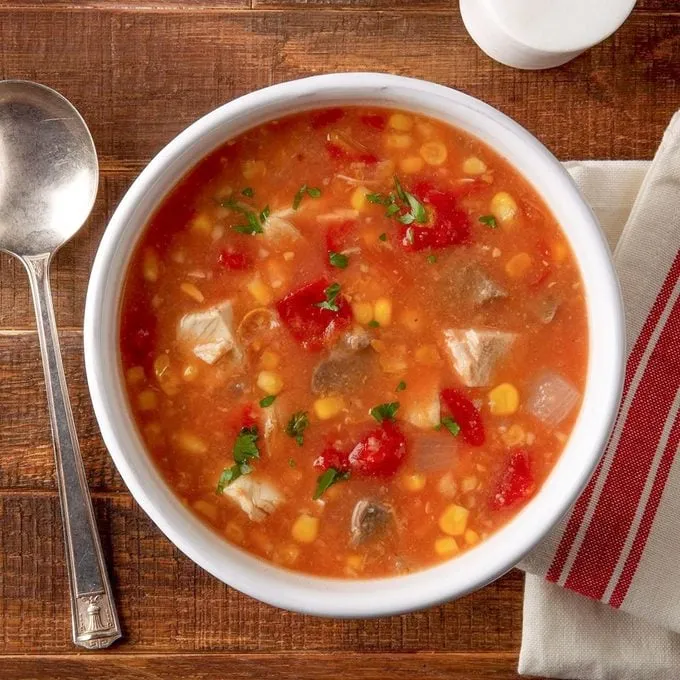
Remarkably, apart from the inclusion of game meats, the flavor profile of Brunswick stew remains recognizable today. It is a smoky, slow-cooked, and hearty dish, deeply connected to regional ingredients, much like broader Southern cuisine. The foundational elements of corn, tomatoes, and beans, themselves significantly influenced by Indigenous agriculture, became integral to colonial cooking long before a distinct 'American cuisine' was established.
Wilted Salad: Early Adaptations of Greens
The concept of a wilted salad might sound rustic, but it represents an early form of dressed greens that remains a basis for many modern appetizers. Colonial versions typically featured hardy garden greens, tossed with softened onions, a sharp acidic component like vinegar or lemon juice, and often enriched with warm animal fat.
This dish serves as a clear reminder that colonial food was not exclusively composed of preserved meats and bland starches. The use of fresh herbs and garden vegetables, combined with bright, acidic flavors, was prevalent whenever seasonal availability permitted, showcasing a dynamic and flavorful approach to cooking.
Turtle Soup: A Symbol of Colonial Sophistication
While many colonial dishes prioritized practicality, turtle soup was a culinary marker of a more affluent society, often found in upscale taverns. Prepared with turtle meat simmered in a rich broth and frequently enhanced with Madeira or sherry, this soup became fashionable among the colonial elite, particularly in port cities.
Philadelphia's City Tavern was known for a notable version of turtle soup, reputedly enjoyed by figures such as George Washington. This dish, alongside oysters and elaborate punch services, signified wealth and sophistication, demonstrating that upper-class dining in the colonies could be exceptionally elaborate and influenced by global trade routes.
Succotash: Indigenous Roots in American Cooking
Succotash stands as a profound example of how Indigenous agriculture fundamentally shaped what would become American food. Traditionally composed of corn, beans, and sometimes squash, succotash originated in Native American communities long before European settlers arrived.
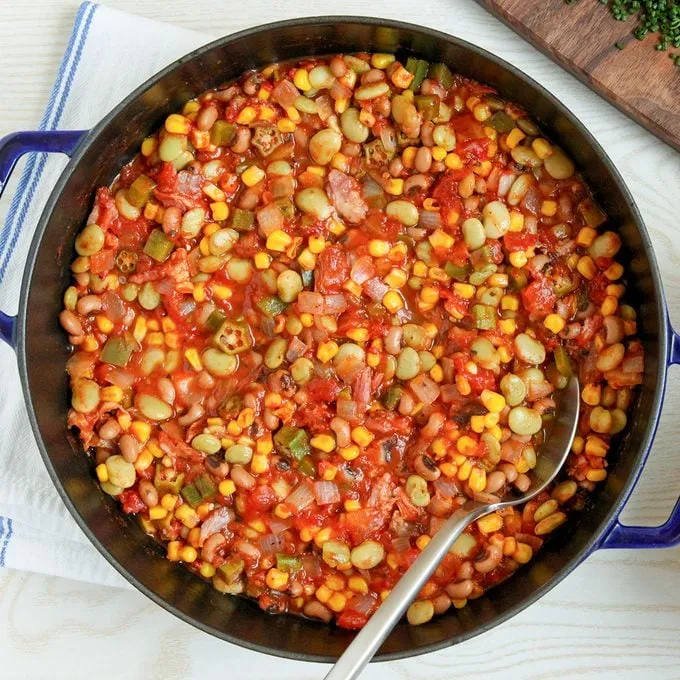
Colonial Americans readily adopted succotash, a logical transition given the pervasive presence of corn in early American culinary practices. Settlers quickly recognized that Indigenous crops and cultivation methods were far better suited to the local environment than the European farming traditions they brought with them. Succotash, with its seasonal interplay of sweet corn and tender beans, continues to evoke the feeling of harvest and the transition of seasons.
Mush or Hasty Pudding: The Colonial Porridge
The unappetizing name 'mush' belies its significance as the colonial equivalent of grits or polenta. Hasty pudding was a warm, comforting cornmeal staple that was both inexpensive and filling, making it adaptable to various seasons and household resources.
Poorer families consumed it plainly, while wealthier households added butter, cream, or sweeteners. A colonial breakfast table would have been characterized by the aromas of hearth-warmed milk and slowly thickening cornmeal, a simple yet satisfying start to the day.
Pigeon Pie: A Dish of Abundance and Extinction
Passenger pigeons, once so numerous that their flocks could darken the sky for hours, were a seemingly endless food source for colonists, often prepared as savory pigeon pies. The dish carries a poignant historical weight today, knowing the species' eventual extinction due to overhunting and habitat loss.
Beyond the fate of the birds, the structure of a savory meat pie itself was highly practical. It served to extend ingredients, retain heat effectively, and feed large groups efficiently. The combination of rich gravy, flaky pastry, and savory meat and herbs remains an appealing concept, even if the primary ingredient is no longer available.
Hoe Cakes: Simple Cornmeal Griddle Cakes
Hoe cakes are colonial foods that, despite a curious name, are essentially crisp-edged cornmeal pancakes cooked over an open fire. Their practicality and affordability made them a staple for travelers, workers, and soldiers.

The name 'hoe cake' is believed to derive from the practice of cooking cornmeal batter on flat metal plates, referred to as 'hoes,' which served a similar function to modern griddles. This dish exemplifies the fusion of European cooking techniques with Indigenous ingredients, creating a portable and nourishing food source.
Potted Meat: Preservation Before Refrigeration
In an era without refrigeration, preserving meat was a matter of survival. Potted meat involved processing cooked meat into a paste, which was then tightly packed into jars and sealed under an airtight layer of butter or lard. Properly prepared, potted meat could remain edible for up to a year.
While the term might sound unappealing to modern sensibilities, the technique is comparable to European preservation methods like confit and rillettes, which have since evolved into considered delicacies. This was a vital method for ensuring a consistent meat supply through harsh conditions.
Pepper Pot Soup: A Warming, Spicy Broth
Pepper Pot Soup was a hearty, intensely seasoned broth often made with tripe and vegetables. Its aggressively peppery nature was designed to provide warmth during harsh winters. Popular legend suggests variations were served to Continental Army troops during the Revolutionary War, although historical details remain debated.
Regardless of precise historical accounts, the dish became embedded in early American food culture and Revolutionary War lore, particularly as a staple in Philadelphia's taverns. It conjures images of communal dining, with steaming bowls of peppery soup providing comfort amid the era's political and social fervor.
Syllabub: An Elegant Colonial Party Drink
Syllabub, despite its whimsical name, was a popular colonial party drink. This frothy concoction combined whipped cream, sugar, citrus juice, and alcohol, typically wine, cider, or brandy.
Some elaborate recipes even involved drawing milk directly from a cow and immediately mixing it with alcohol to create a distinctive airy foam. This method, while seemingly unconventional, produced an elegant and festive beverage suitable for colonial gatherings, potentially appearing on modern menus with a contemporary twist.
Impact Analysis
The exploration of 1776 cuisine highlights the deep-rooted connection between food, culture, and historical events. The practicality, resourcefulness, and fusion of influences evident in colonial dishes underscore how necessity shaped culinary traditions. Many of these foods, from hearty stews and porridges to spiced cakes and unique beverages, laid the groundwork for modern American cuisine. Understanding these historical foodways provides valuable context for contemporary agricultural practices, food preservation techniques, and the ongoing evolution of regional American dishes, demonstrating that while ingredients and methods change, the fundamental human desire for communal meals and comforting food endures.