The principles of permaculture, a design philosophy focused on sustainability and self-sufficiency, are experiencing a notable resurgence, particularly among younger generations. This renewed interest is largely attributed to contemporary global concerns such as rising costs of living, food security anxieties, and the ongoing impacts of climate change. Permaculture, which advocates for creating ecological systems that mimic natural patterns, offers a framework for resilient and regenerative living that resonates deeply with current societal needs.
Originating in the 1970s during a period of significant global upheaval, marked by the oil crisis, permaculture was developed by Bill Mollison and David Holmgren. Their foundational work, "Permaculture One," published in 1978, envisioned an agricultural system that was both sustainable and self-sufficient. This origin story is particularly relevant today, as similar economic and geopolitical uncertainties prompt a re-evaluation of conventional practices and a search for more autonomous and ecologically sound approaches to food production and resource management.
The Enduring Relevance of Permaculture Principles
David Holmgren, a co-founder of permaculture, emphasizes that the movement's core tenets remain as vital today as they were half a century ago. He posits that the widespread adoption of permaculture was significantly influenced by the socio-political climate of the 1970s, characterized by a decline in faith in mainstream economic systems and the first global recession experienced by affluent nations. This period of introspection and questioning created fertile ground for alternative philosophies, including permaculture, which offered a vision of resilient living independent of volatile global markets.
Holmgren draws a clear parallel between the conditions of the 1970s and the current global landscape. The economic instability and resource concerns that defined the era of the oil crises, from 1973 and the second crisis during the Iranian Revolution in 1979, are echoed today. He argues that permaculture's success was intrinsically linked to this context, suggesting that its principles might not have gained traction during periods of economic boom and unquestioned consumerism, such as the "greed-is-good" culture of the 1980s.
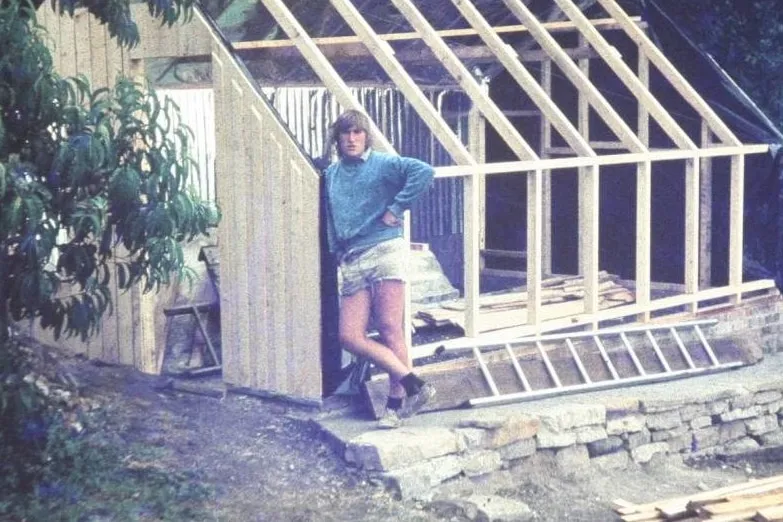
David Holmgren building a greenhouse in Hobart in 1978. (Supplied: David Holmgren)
Permaculture in the Modern Context
Sociologist Terry Leahy from the University of Newcastle notes that while permaculture has evolved into a broad counter-cultural movement, contemporary practitioners face new challenges. Rising land prices and limited availability are significant barriers, making private permaculture plots unattainable for many families. However, Leahy points out that permaculture's philosophy also encompasses communal land use, shared living arrangements, and broader societal transformation, offering alternative pathways to sustainable living beyond individual land ownership.
The region of Margaret River in Western Australia has emerged as a hub for permaculture activities, evidenced by the recent sold-out permaculture festival that attracted hundreds of participants. Despite median land prices reaching $1 million in the area, interest in permaculture remains high. This suggests a growing desire for sustainable practices, even in regions with significant economic pressures. The festival's success underscores the community's commitment to exploring and implementing permaculture principles.
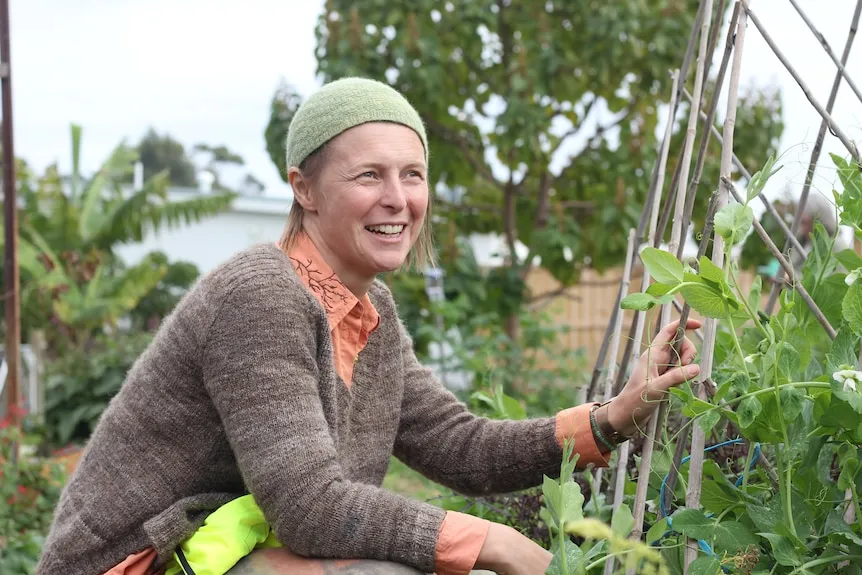
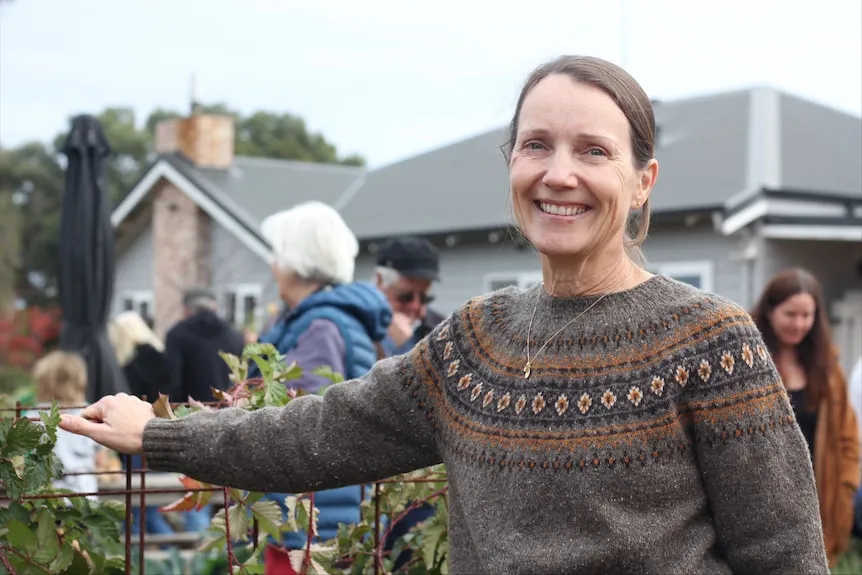
Pippa Buchanan is a permaculture consultant in Margaret River. (ABC News: Georgia Loney)
Adapting Permaculture for Urban and Rented Spaces
Permaculture teacher Pippa Buchanan highlights that the movement's principles are adaptable to various living situations, including apartments and rented accommodations. After returning to Margaret River from Austria during the COVID-19 pandemic, Buchanan transformed her property into an edible garden. She shared her experiences living in a small Viennese apartment where she and her partner successfully cultivated food on window sills and actively participated in community gardens, demonstrating that permaculture is not exclusive to those with ample land.
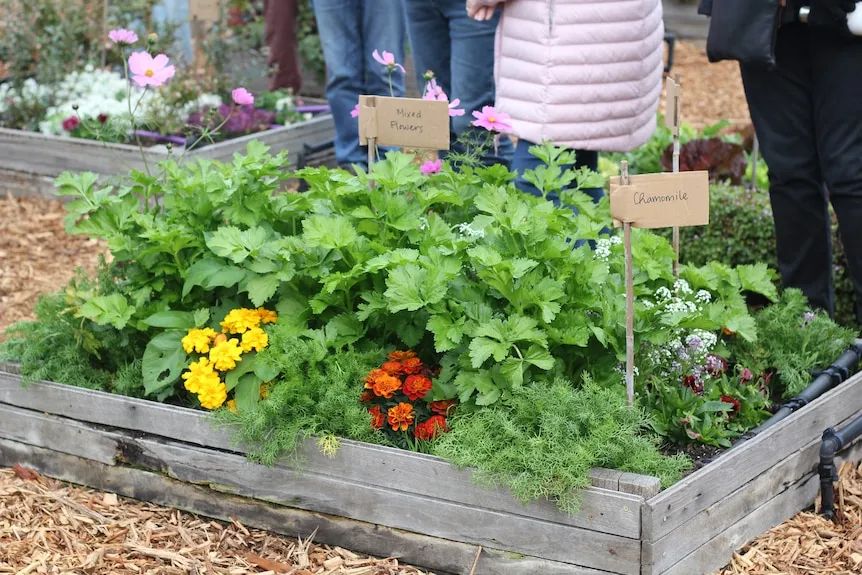
Buchanan advocates for a proactive approach, suggesting that individuals can implement permaculture practices even in limited spaces. She encourages creative solutions like constructing temporary gardens and utilizing vertical growing techniques. The idea of "asking for forgiveness rather than permission" encapsulates the spirit of innovation and resourcefulness inherent in permaculture, empowering individuals to create sustainable food systems regardless of their housing situation or land access.
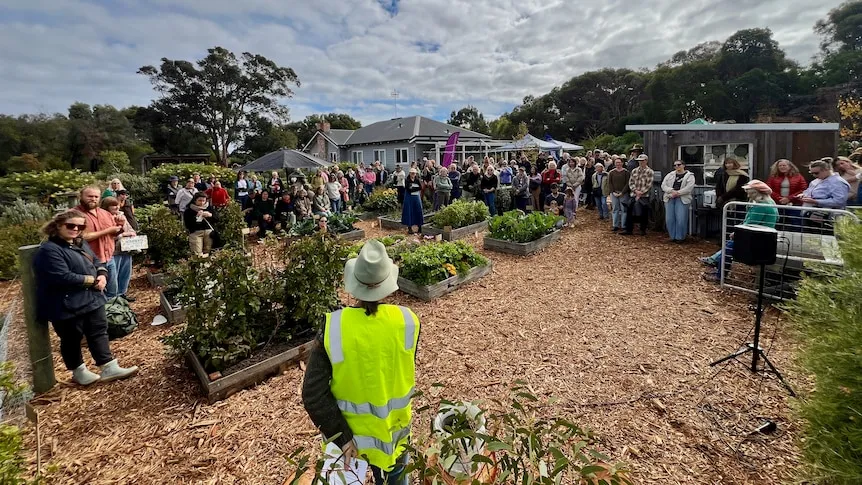
Kirsty and Bart Whitehouse, who transitioned to Margaret River eight years ago, exemplify this shift by transforming a cow paddock into a thriving permaculture ecosystem. Initially, the area lacked biodiversity, with few birds or lizards. Their efforts in establishing a permaculture garden have led to a significant increase in local fauna, a testament to the regenerative power of permaculture design. This transformation showcases the tangible ecological benefits of adopting permaculture practices.
The Whitehouses are part of a growing demographic embracing sustainability. This includes initiatives like extensive food forests, which create diverse and resilient ecosystems. The movement's core message of creating systems that are both productive and regenerative, mirroring natural processes, is resonating with a new generation seeking practical solutions for environmental stewardship and self-sufficiency in the face of rising costs and resource scarcity.
The principles of permaculture extend beyond personal gardens to encompass broader community engagement and systemic change. By focusing on ethical design, permaculture aims to create systems that are environmentally sound, socially just, and economically viable. This holistic approach encourages a paradigm shift in how individuals interact with their environment and with each other, fostering a sense of collective responsibility for ecological well-being.
The resurgence of permaculture can be seen as a response to global challenges, offering a pathway towards greater resilience and autonomy. As concerns about climate change and resource depletion intensify, permaculture provides a practical and philosophical toolkit for building a more sustainable future, one garden, one community, and one ethical decision at a time.
The historical context of permaculture's inception is crucial for understanding its enduring appeal. Emerging from the anxieties of the 1970s oil crisis, the movement offered a vision of independence from unstable global energy markets and a return to more localized, self-reliant systems. This historical echo resonates today as similar global pressures prompt a reassessment of conventional economic and agricultural models.
Permaculture's emphasis on observation, thoughtful design, and the integration of natural processes offers a powerful antidote to the perceived disconnect between modern society and the environment. The successful implementation of permaculture projects, from backyard gardens to community farms, demonstrates its capacity to enhance ecological health, improve food security, and foster stronger, more resilient communities.
The movement's success is often tied to periods of economic uncertainty and a questioning of established norms. As current global events mirror the conditions under which permaculture first gained prominence, its principles of sustainability, self-sufficiency, and ecological regeneration are becoming increasingly attractive. Permaculture offers a tangible framework for individuals and communities to take proactive steps towards building a more resilient and self-determined future.
Permaculture is more than just a gardening technique; it's a comprehensive design philosophy that seeks to create harmonious and productive human settlements. By integrating elements like water harvesting, renewable energy, and waste reduction, permaculture systems aim to minimize environmental impact while maximizing resource efficiency. This multifaceted approach makes it a compelling solution for the complex challenges of the 21st century.
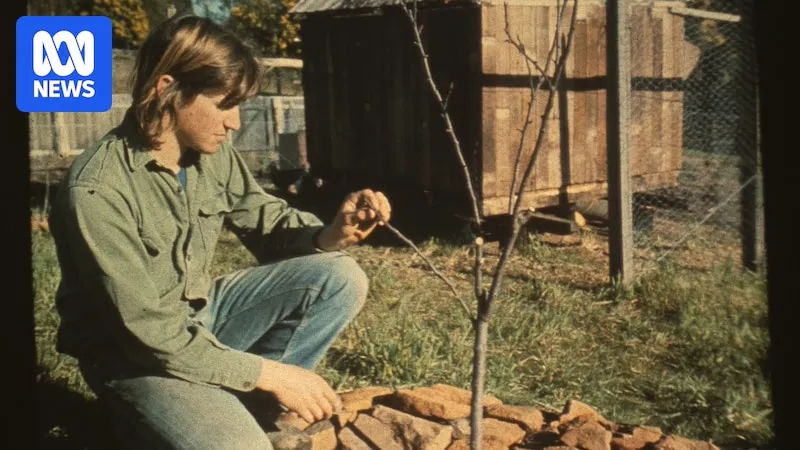
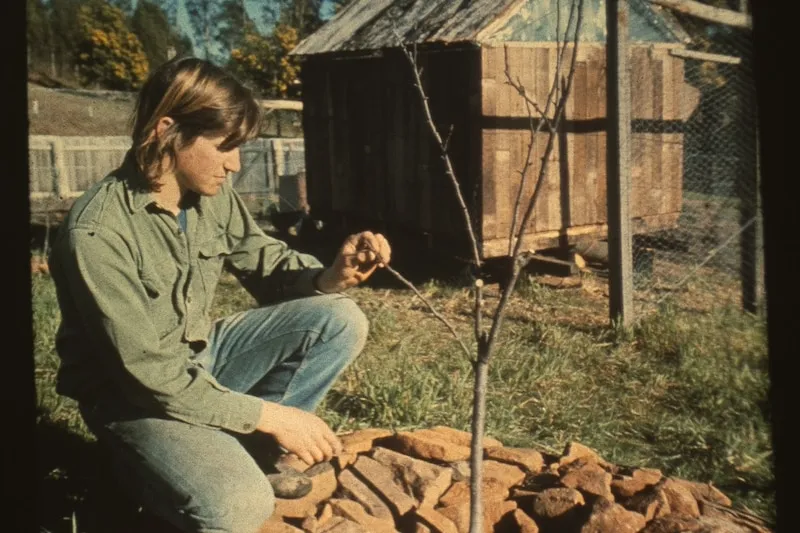
David Holmgren with a newly planted and stone mulched fruit tree at Jackeys Marsh, Tasmania in 1977. (Supplied: David Holmgren)

The adaptability of permaculture is a key factor in its growing appeal. Whether implemented in large rural properties or small urban apartments, the core principles of ethical design and ecological integration remain central. This flexibility allows a wide range of individuals to participate in creating more sustainable and resilient systems, fostering a global movement towards ecological consciousness and self-reliance.
The renewed focus on permaculture underscores a societal shift towards valuing sustainability, resilience, and community. As global challenges persist, permaculture offers a practical and empowering framework for individuals to contribute to a more regenerative and equitable future. Its enduring principles, born from necessity in the 1970s, are proving remarkably prescient in navigating the complexities of the 21st century.