New research suggests that the complex paired eyes of vertebrates, including humans, may have evolved from a single, central eye located on the top of an ancient ancestor's head. This "third eye" is thought to have contained the fundamental light-sensing tissue that predates modern eyes.
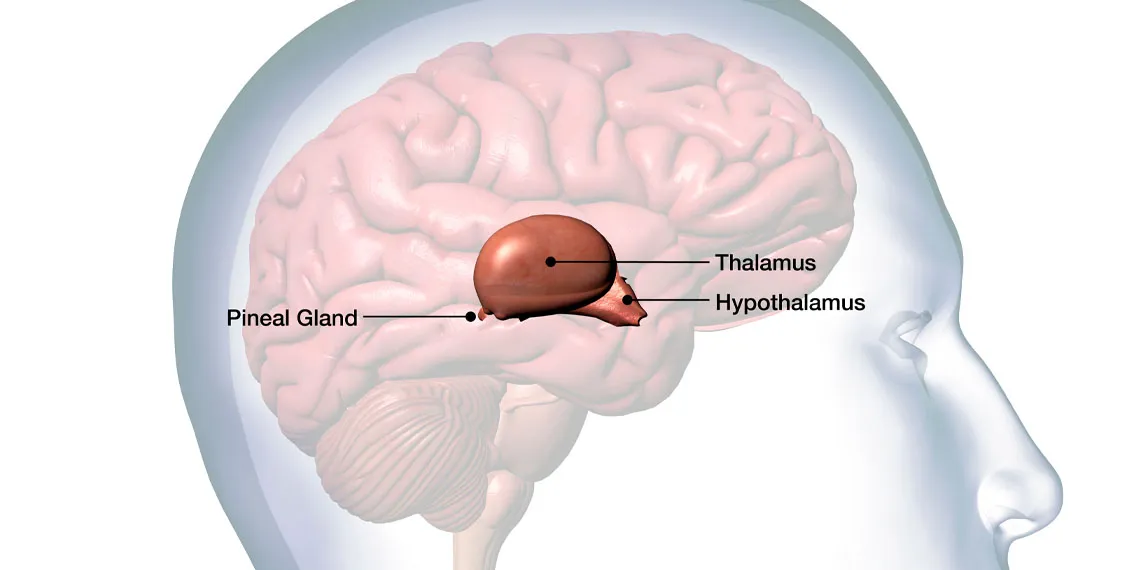
The study proposes that this ancestral median eye eventually split and migrated to the sides of the head, forming the paired eyes we have today. This evolutionary journey explains the unique hybrid cellular structure found in vertebrate retinas. Remnants of this original light-sensing organ may persist as the pineal gland, which regulates sleep cycles by processing light signals relayed from our eyes.
This groundbreaking hypothesis offers a novel explanation for why vertebrate eyes differ so dramatically from those of invertebrates and challenges previous understandings of visual system evolution. Further genetic and structural analyses are planned to validate these findings.