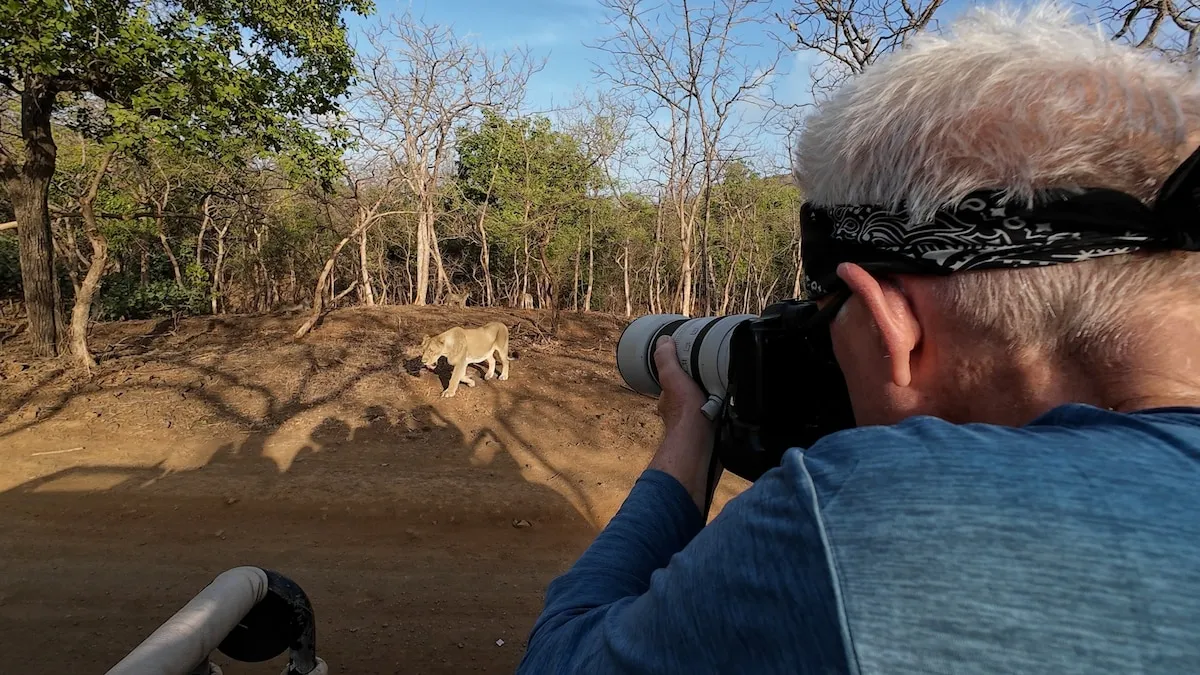
The Asiatic lion, a majestic subspecies once on the brink of extinction, has found a precarious sanctuary in India's Gir Wildlife Sanctuary. Recent census data from 2025 indicates a significant population recovery, with 891 lions recorded, a testament to dedicated conservation efforts funded by the Indian government and supported by local communities. This remarkable resurgence was the subject of a compelling report in the June 2026 issue of National Geographic, featuring the evocative photography of National Geographic Explorer Steve Winter. This behind-the-scenes account delves into the challenges and triumphs of capturing these elusive big cats in their natural habitat.
Photographing the Asiatic lions in Gir was a seven-year endeavor for Steve Winter, beginning with a journalist visa application before the global pandemic halted travel. The extensive planning and eventual execution highlight the commitment required for such impactful wildlife photography. Winter's dedication, coupled with the collaboration of park trackers and scientists, was crucial in documenting the lions' lives and their conservation success story, offering readers an intimate glimpse into a critical ecosystem and its iconic inhabitants.
The Long Road to Gir: Initiating the Story
The decision to focus on the Asiatic lions of Gir was a long-held ambition for Steve Winter, who has spent over two decades photographing large felines worldwide, with extensive experience documenting leopards and tigers in India. The Asiatic lion, a close relative of its African counterpart, is a lesser-known species, with its sole surviving population residing in the Gir Forest of Gujarat. This unique characteristic and the species' near-extinction history fueled Winter's drive to tell their story, aiming to raise awareness and appreciation for this distinct lineage of lions.
Securing the opportunity to photograph these lions involved overcoming significant logistical hurdles. The initial visa application was submitted prior to the COVID-19 pandemic, necessitating a restart of the entire process once international travel resumed. This protracted seven-year waiting period underscores the complexities of international wildlife journalism and the persistence required to bring such stories to fruition. The eventual journey to Gir was not merely a photographic expedition but a culmination of years of planning, advocacy, and patience.
Navigating the Terrain: Challenges in Gir Wildlife Sanctuary
Restricted Access and Photographer's Limitations
Photographing wildlife within protected areas often presents unique challenges, and Gir Wildlife Sanctuary is no exception. While the park is dedicated to the welfare of its lions, access for photographers and tourists is typically limited to a fraction of the reserve, often around 10 to 20 percent. This restricted access ensures the core areas remain undisturbed, providing essential security and space for the animals. Even with special permits, photographers like Winter must operate within these designated zones, making it difficult to capture images of animals in their most secluded environments.
The confinement to specific areas means that while lions are frequently sighted, the opportunities for candid or unique photographic moments can be reduced. The very security measures designed to protect the lions also create a barrier to candid observation and photography. The challenge lies in finding compelling shots within the accessible regions, requiring a deep understanding of lion behavior and movement patterns within these limited parameters.
The Art and Science of Camera Trapping
To overcome the limitations of restricted access and capture the lions' natural behaviors, Winter employed camera traps, a technique he is familiar with but acknowledges as demanding. Success with camera traps relies heavily on the insights of expert trackers and scientists who can identify animal pathways and territorial markings. However, as Winter notes, cats are inherently independent, and their movements can be unpredictable, even with the best data.
The setup for these camera traps involves sophisticated equipment, including a receiver transmitter triggered by an infrared beam, along with strategically placed, camouflaged lights. The process is often fraught with technical difficulties; the initial trip to deploy camera traps proved challenging, with equipment malfunctions hindering the process. Troubleshooting these issues—checking every connection and piece of gear—is a painstaking part of the job. Despite these frustrations, the reward of a successful camera trap image is immense, akin to receiving an unexpected gift, providing a profound sense of accomplishment when revealing unique glimpses into the lions' lives.
Collaboration with Local Expertise: The Role of Trackers
Leveraging Local Knowledge for Lion Tracking
The invaluable assistance of the park's expert animal trackers was instrumental in the success of the Gir photography project. These trackers possess an intimate knowledge of the sanctuary and the lions' movements, often aided by GPS tagging that monitors pride locations. This expertise allowed Winter to specify desired photographic subjects, such as a mother with cubs or a particular pride on the other side of the park, and have the trackers guide him accordingly.
The trackers' ability to locate specific lion groups efficiently saved significant time and effort. Their deep understanding of the terrain and the animals’ habits enabled the team to position themselves for the best photographic opportunities. This collaborative approach not only facilitated the capture of stunning images but also underscored the importance of integrating local knowledge into wildlife conservation and documentation efforts.
Essential Guidance from Sagar Manjariya
A key figure in the expedition was Sagar Manjariya, the head tracker, who provided constant support and guidance. Manjariya's intimate familiarity with the lions and the park’s environment was crucial. He helped the team navigate the terrain, identifying smaller, less-traveled trails that are frequently used by the lions. These trails offer prime locations for observing and photographing the animals, whether for profile shots, face-on portraits, or capturing their movement.
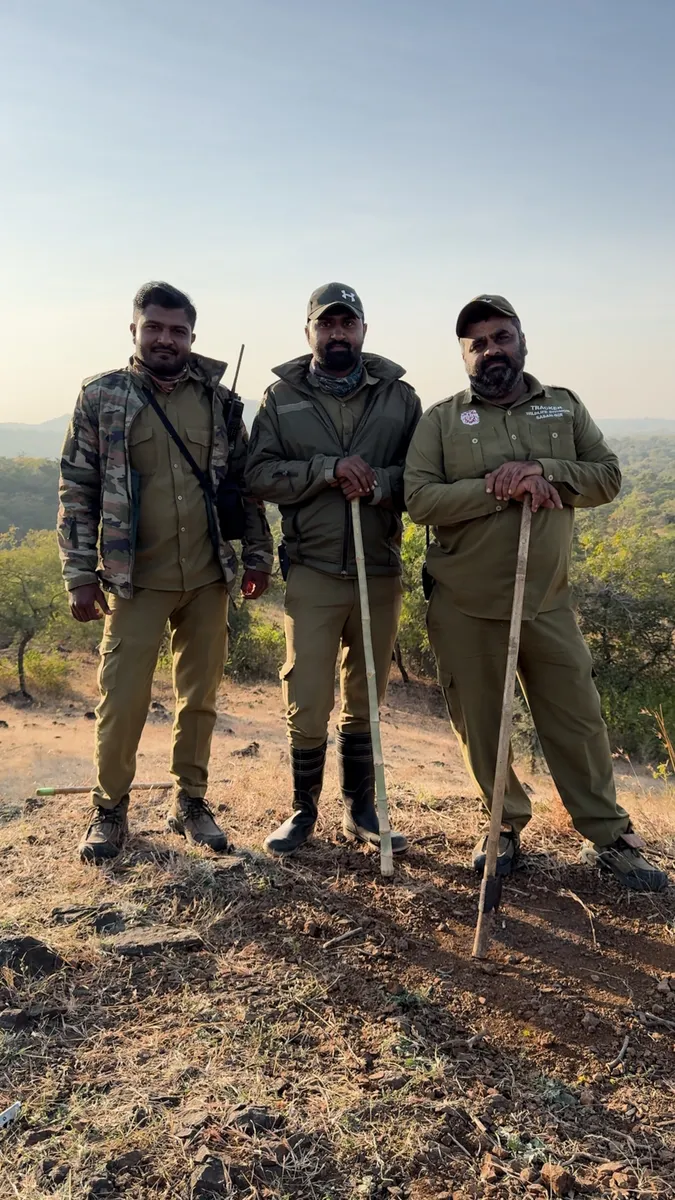 The collaboration with trackers like Manjariya was essential, as their daily efforts on bicycles or motorcycles allowed them to scout areas beyond the main roads, locating animals and ensuring their safety by guiding them away from human settlements or potential intruders. This dedication from the trackers not only aided the photography but also played a vital role in the ongoing protection of the lion population.
Encountering the Wild: Close Calls and Conservation Triumphs
Near-Miss Encounters in the Field
The work of photographing lions in their natural habitat, especially when setting up camera traps at ground level, inherently carries risks. During one particularly challenging deployment near a small bridge, under the intense heat of the pre-monsoon season, the team experienced a moment of extreme tension. While positioned low to the ground to capture eye-level shots of lions at a water source, a female lion appeared unexpectedly, just about ten feet above them.
The proximity of the lion created a palpable sense of danger, given its ability to descend quickly. However, the situation was diffused when Sagar Manjariya, recognized by the lion, calmly intervened. His presence and the lions' familiarity with him likely averted a more dangerous confrontation, prompting the lioness to retreat and rejoin her cubs. This incident highlights the delicate balance between human presence and wildlife, and the critical role of experienced guides in managing such encounters safely.
A Story of Remarkable Conservation Success
The assignment in Gir culminates in a powerful conservation narrative: the Asiatic lion's journey back from the brink. At the dawn of the 20th century, the population had dwindled to mere dozens. Today, thanks to a multi-faceted conservation strategy that includes advanced monitoring, robust protection by park rangers—including India's largest all-female forest guard unit—and community incentive programs, the population has grown to nearly 900 individuals.
Gujarat's deep cultural and religious connection to the lions, coupled with a fierce local pride in their recovery, has been a driving force. The effectiveness of these conservation measures is particularly evident in the area's antipoaching efforts; with no recorded lion poaching incidents in over two decades, Gir stands as an extraordinary example of successful big cat protection globally. This success offers a hopeful message about the possibilities of species recovery when dedicated conservation strategies are implemented and supported by local communities.