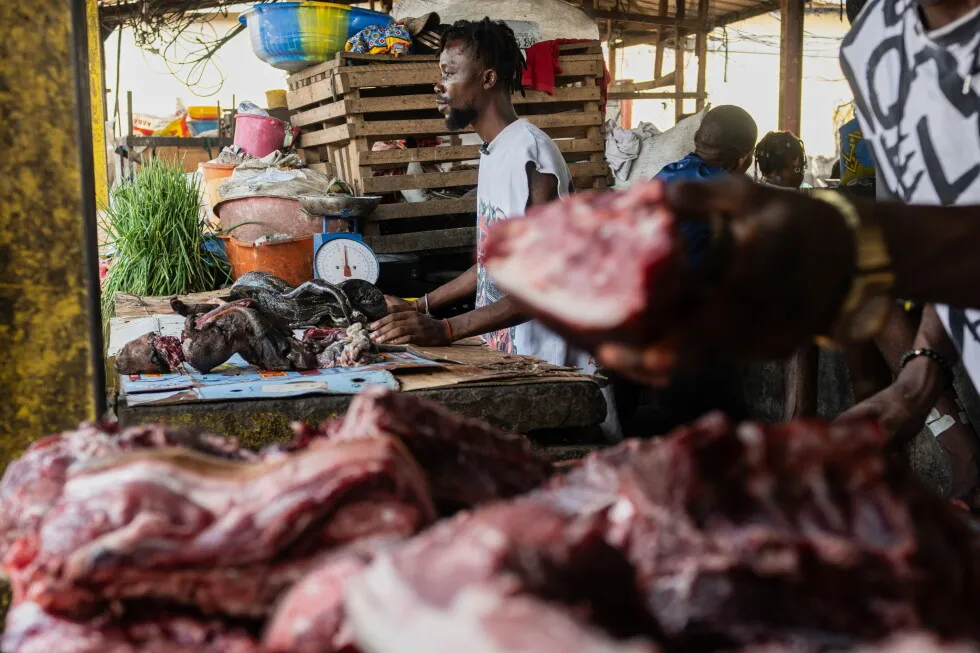
In the Democratic Republic of Congo, the ongoing struggle against the Ebola virus has taken a critical turn, with health experts drawing a direct line between the devastating outbreaks and the deeply ingrained cultural practice of consuming wild animal meat, often referred to as 'bushmeat'. The sprawling Masina Market in the capital city, Kinshasa, serves as a stark illustration of this reality. Vendors there, sometimes discreetly and other times openly, offer a wide array of wild game, from swamp rodents and insects to antelopes and pythons. This practice, while culturally significant and a vital source of protein for many in Central and West Africa, is increasingly identified as a primary pathway for the zoonotic transmission of diseases like Ebola.
The current Ebola epidemic, which has seen over a thousand suspected cases and hundreds of deaths, highlights the persistent challenge of altering long-standing traditions in the face of severe health risks. Despite the known dangers and official prohibitions on hunting certain endangered species, the demand for bushmeat remains high. This intricate relationship between human activity, wildlife, and disease transmission underscores the need for a comprehensive 'One Health' approach, acknowledging the interconnectedness of human, animal, and environmental health in preventing future outbreaks.
The Zoonotic Nexus: Bushmeat and Ebola Transmission
The Ebola virus, first identified in the Congo region in 1976, is believed to originate in fruit bats, its natural reservoir. The spillage of the virus from these animals into human populations is thought to occur during the handling and consumption of bushmeat. While Ebola is not typically transmitted through food, direct contact with infected animals during hunting, butchering, or preparation poses a significant risk of cross-species infection. This pathway is particularly concerning given the vast biodiversity of the Congo Basin, a region rich in wildlife that is actively hunted for sustenance and cultural practices.
The scientific community emphasizes that understanding this link is crucial for effective prevention. However, changing established cultural practices is a formidable challenge. Many individuals within communities affected by recurring Ebola outbreaks do not fully comprehend or acknowledge the connection between bushmeat consumption and disease transmission. This ignorance, coupled with the deep cultural roots of consuming wild meat, creates a persistent barrier to public health interventions. Dr. Misaki Wayengera, a microbiologist advising Uganda’s Ministry of Health, notes the difficulty in altering these core practices, highlighting the need for sustained educational efforts that resonate with local beliefs and traditions.
Public Health Challenges and the Role of Education
The consequences of these zoonotic spillover events can be catastrophic. Ebola outbreaks, characterized by their severe and often bloody symptoms, have historically terrorized villages and instilled widespread fear. The deadliest recorded outbreak in West Africa between 2014 and 2016 infected nearly 28,000 people and resulted in over 11,300 deaths, underscoring the virus's lethal potential. The current outbreak in eastern Congo involves the Bundibugyo virus, a less common strain for which no specific vaccines or approved treatments currently exist.
Compounding the health crisis in eastern Congo is the region's ongoing struggle with armed conflict and the resulting displacement of large populations. This complex scenario complicates containment efforts, as public health officials must contend with both the immediate threat of Ebola and the broader challenges of humanitarian crises. The extensive bushmeat trade, estimated to extract millions of tons of wild meat annually from the Congo Basin, not only poses a health risk but also contributes to significant biodiversity loss and impacts the region's role as a vital carbon sink.
Addressing the Cultural Dimension of Wildlife Consumption
Conservation efforts in the Congo Basin are multifaceted, attempting to balance human needs with the preservation of its rich ecosystem. While there are regulations against hunting endangered species, the broader wildlife trade continues, driven by demand for bushmeat, which serves as a primary source of animal protein for many. This demand extends to trendy restaurants that feature bushmeat dishes, further intensifying pressure on wildlife populations.
Public health advocates stress the critical need for enhanced educational campaigns. These initiatives must effectively communicate the risks associated with handling and consuming wild meat, particularly from unknown or deceased animals. Gladys Kalema-Zikusoka, founder of Uganda-based Conservation Through Public Health, emphasizes that these messages need to be culturally sensitive, acknowledging that bushmeat consumption is deeply ingrained. The goal is to foster a greater understanding of the 'One Health' concept, where human well-being is intrinsically linked to the health of the environment and animal populations.
The Future of Wildlife Trade and Disease Prevention
The interconnectedness of human health, animal populations, and the environment is central to managing emerging infectious diseases. Experts like Dr. Tolbert Geewleh Nyenswah of the Africa Centres for Disease Control and Prevention highlight that as human populations expand and interact more closely with wildlife habitats, the frequency of zoonotic disease outbreaks is likely to increase. This reinforces the importance of a holistic approach that considers all these factors.
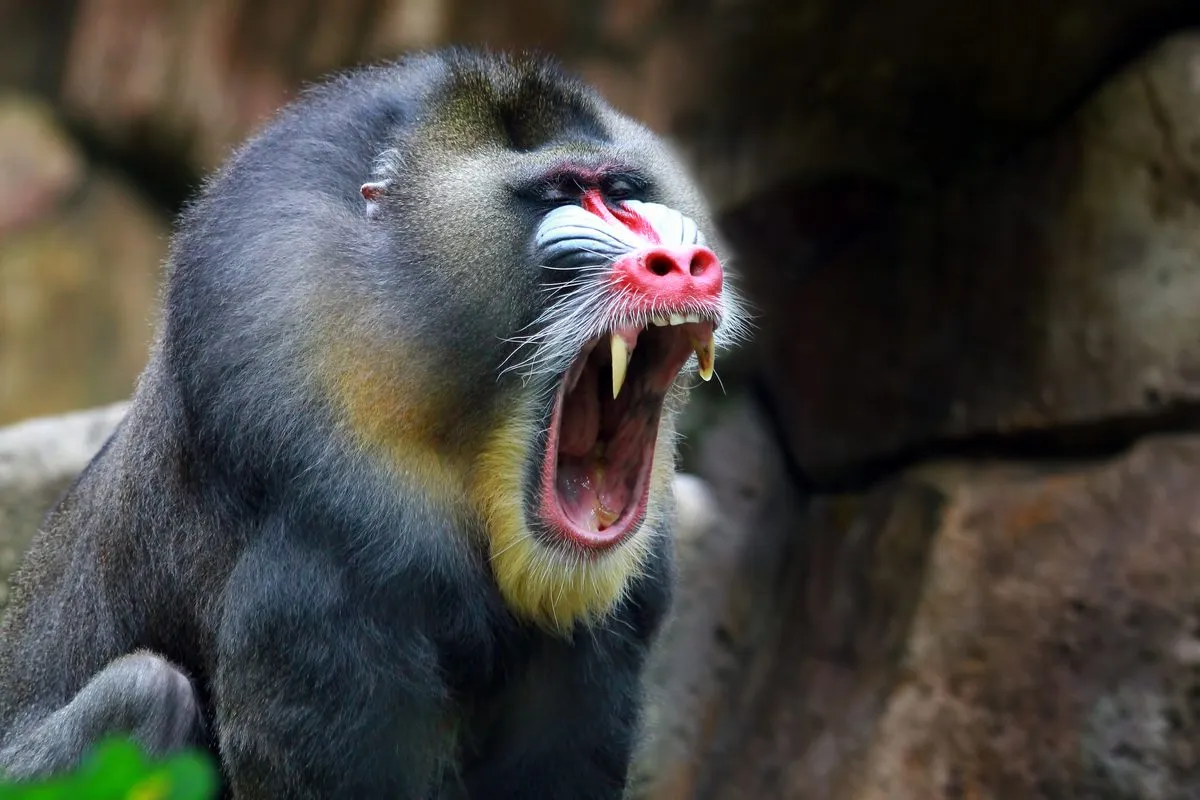
While traders in markets like Masina have reported a decline in the sale of certain bushmeat, such as monkey meat, due to perceived Ebola risks, the trade in other wild animals, like pythons and rodents, continues unabated. This suggests that while awareness of specific risks may be growing, the fundamental practice of consuming bushmeat remains a significant part of the economy and culture in many affected regions. Ongoing vigilance, robust public health messaging, and community engagement will be crucial in mitigating the risks associated with bushmeat consumption and preventing future Ebola outbreaks.