Archaeologists may have discovered the elusive Maya city of Sac Balam, a rumored final stronghold established after the Spanish conquest. Initial findings presented at a Society for American Archaeology meeting suggest this remote jungle site could provide invaluable insights into the waning period of Maya civilization. Dr. Yuko Shiratori of Japan's Rissho University, leading the research, indicated that historical documents from 1694 mention over 100 houses in Sac Balam, hinting at a significant population center.
The name Sac Balam, translating to "white jaguar" in Mayan, refers to a city founded in 1586 by the Lakandon Chʼol people. It served as a refuge following the Spanish invasion and destruction of their regional capital, Lakam Tun. The settlement continued to host Maya life for over a century, eventually falling to Spanish forces in 1695 and becoming abandoned by 1712. The potential identification of this site offers a unique opportunity to study Maya resilience and adaptation in the face of colonial pressures.
Archaeological Evidence Points to Sac Balam
Discovery of a Significant Wall Structure
A key piece of evidence supporting the identification of the site as Sac Balam is the uncovering of a substantial stone wall. Measuring approximately 16 meters (52 feet) in length and 1 meter (3 feet) in height, this structure aligns with Spanish colonial records describing the communal buildings of Sac Balam. These large structures were likely used for public gatherings and administrative functions, reflecting the societal organization of the inhabitants.
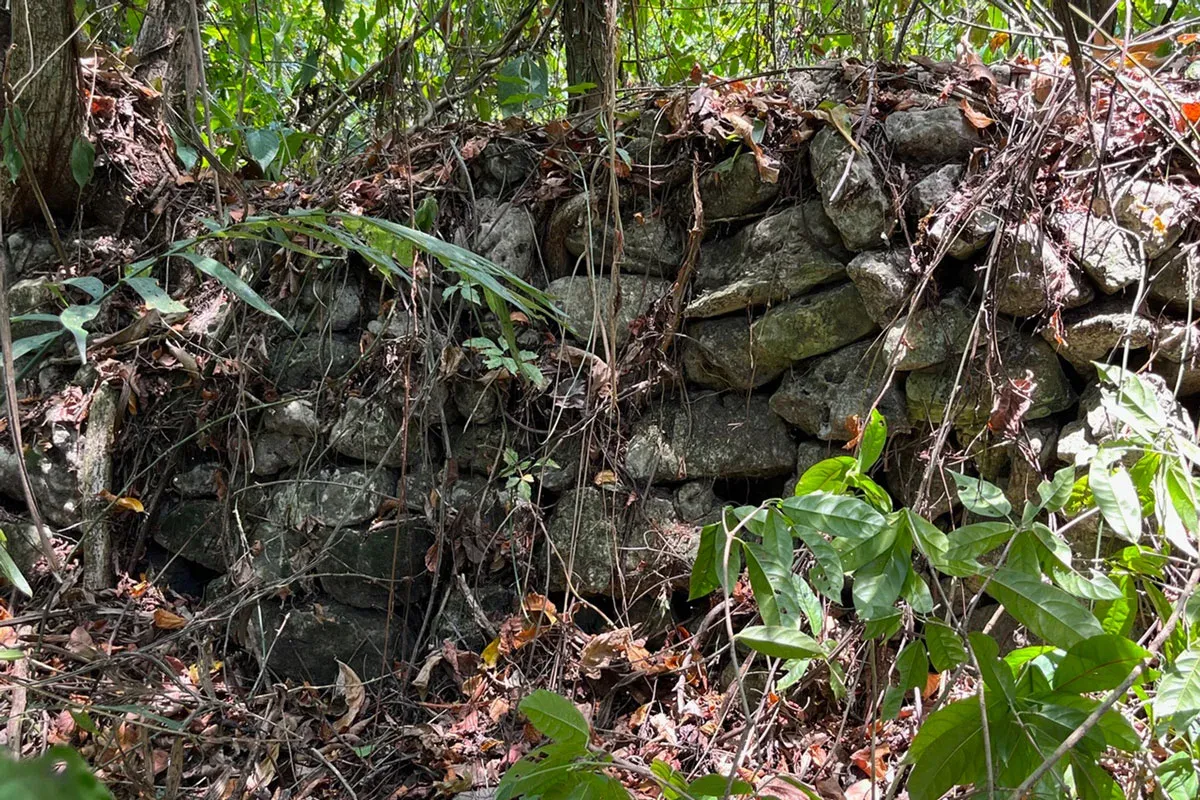 The presence of this wall, located at the Sol y Paraíso site in Chiapas, Mexico, provides a tangible link to historical descriptions. Its scale and context suggest it could be part of a significant building or fortification, consistent with the accounts of Sac Balam's layout. Further investigation into the wall's construction and purpose is crucial for solidifying its role within the ancient city.
Ceramic Fragments and Figurines
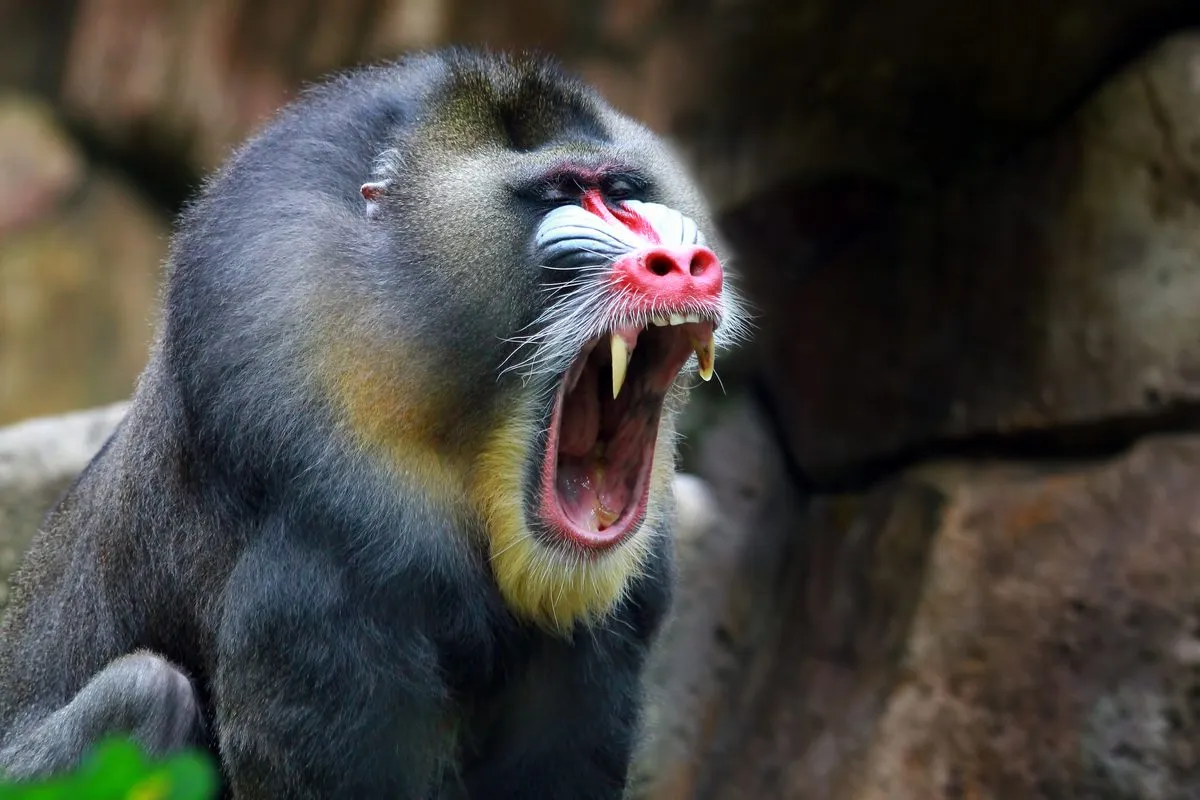
In addition to the imposing wall, the archaeological team has recovered various artifacts that further bolster the theory of this being Sac Balam. Among these findings are numerous ceramic fragments and a notable monkey figurine. These items are preliminarily dated to the period when Sac Balam is believed to have been actively inhabited. Such discoveries are vital for establishing a chronological framework for the site's occupation and understanding the daily life and material culture of its residents.
Dr. Shiratori emphasized the need for further analysis to confirm the findings. She specifically aims to determine if the 16-meter wall served as a building foundation and to search for associated artifacts, such as incense burners (incensarios), which can aid in precise dating through AMS carbon dating. The presence of such specific cultural markers would significantly strengthen the argument for the site's identity.
Potential Confirmation Through Ash Layers
Historical Spanish documents explicitly mention that Sac Balam was subjected to burning during the conquest. The archaeological team is therefore actively searching for evidence of a significant ash layer beneath the soil at the Sol y Paraíso site. The presence of such a layer would serve as strong corroborating evidence, indicating that the site experienced the fiery destruction described in colonial texts, thereby further confirming it as the lost city of Sac Balam.
The investigation is ongoing, with future research plans including more extensive excavation and analysis of recovered materials. The ultimate goal is to compile enough definitive evidence to unequivocally identify the site and to gain a deeper understanding of the Maya people's resilience, their societal structures, and their interactions with the Spanish colonizers during this tumultuous period of history. The potential discovery of Sac Balam represents a significant contribution to Maya archaeology.
Impact Analysis
The potential confirmation of Sac Balam as a lost Maya city carries significant implications for historical understanding and archaeological research. If verified, it would not only provide a tangible link to the final chapters of Maya resistance against Spanish colonization but also offer a unique opportunity to study the societal adaptations and cultural continuity of Maya communities under duress. Such discoveries can reshape narratives surrounding the conquest, highlighting Maya agency and resilience rather than solely focusing on their subjugation. Furthermore, the site could become a crucial location for understanding Maya urban planning, social organization, and religious practices during a period of profound historical transition, enriching our knowledge of pre-Columbian and early colonial Mesoamerica.